Madrid History
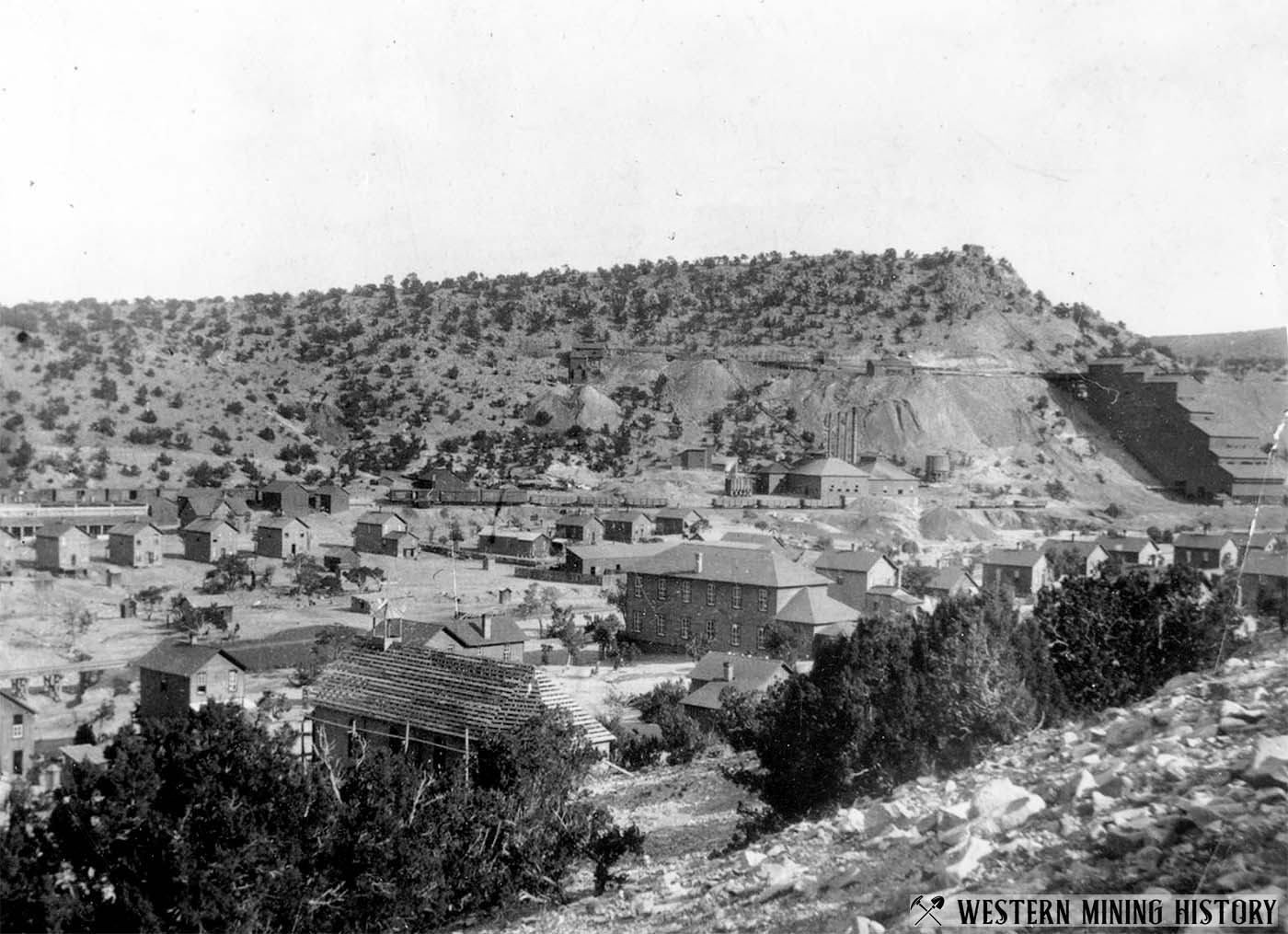
Madrid, New Mexico, is located on the north slope of the Ortiz Mountains about twenty-five miles southwest of Santa Fe. The area has been mined for more than a thousand years. Between approximately A.D. 900 and 1100, Pueblo peoples worked extensive turquoise deposits near Mount Chalchihuitl, making it one of North America's earliest known mining regions.
Coal mining in the Madrid district began during the Mexican period. A small gold rush in the Ortiz Mountains in 1828 created a demand for fuel to process ore, and by the 1830s Mexican miners were extracting coal from nearby outcrops to fire primitive smelting furnaces.
Following the American occupation of New Mexico in 1846, military posts such as Fort Marcy and Fort Union created a modest market for coal. However, production remained limited until the Atchison, Topeka and Santa Fe Railroad reached Santa Fe in 1880, creating a much larger commercial market for the district's coal.
Initial mining centered on deposits at Miller Gulch and Waldo Gulch, but exploration soon revealed much larger and higher-quality coal beds several miles farther south at Madrid. Before these deposits could be developed, however, lengthy litigation was required to resolve conflicting Spanish and Mexican land grant claims.
After the Cerrillos Coal and Iron Company secured title to approximately 26,000 acres in 1884 and 1885, a subsidiary of the Santa Fe Railroad acquired the mining rights, constructed a six-mile rail spur from Waldo, and established the company town of Madrid in 1892.
Madrid quickly became New Mexico's premier coal camp. The district was geologically unusual because both high-grade anthracite and bituminous coal occurred in close proximity, and in some cases both were extracted from the same shaft. Bituminous coal supplied fuel for Santa Fe Railway locomotives, while the exceptionally pure anthracite found a growing market as a domestic heating fuel throughout New Mexico and neighboring states.
When portions of the bituminous coal proved suitable for coking, coke ovens were erected at Waldo to supply smelters in Pueblo, Colorado, and El Paso, Texas. As silver mining declined after the Panic of 1893, coal emerged as New Mexico's leading mineral commodity, and Madrid became one of the territory's most important mining communities.
Ownership of the mines changed several times during Madrid's early years. Following the Santa Fe Railroad's reorganization in 1895, the mines were leased to the Colorado Fuel and Iron Company, which operated them for the next decade. In 1906 Albuquerque businessman George A. Kaseman formed the Albuquerque and Cerrillos Coal Company and assumed control of the town and mines.
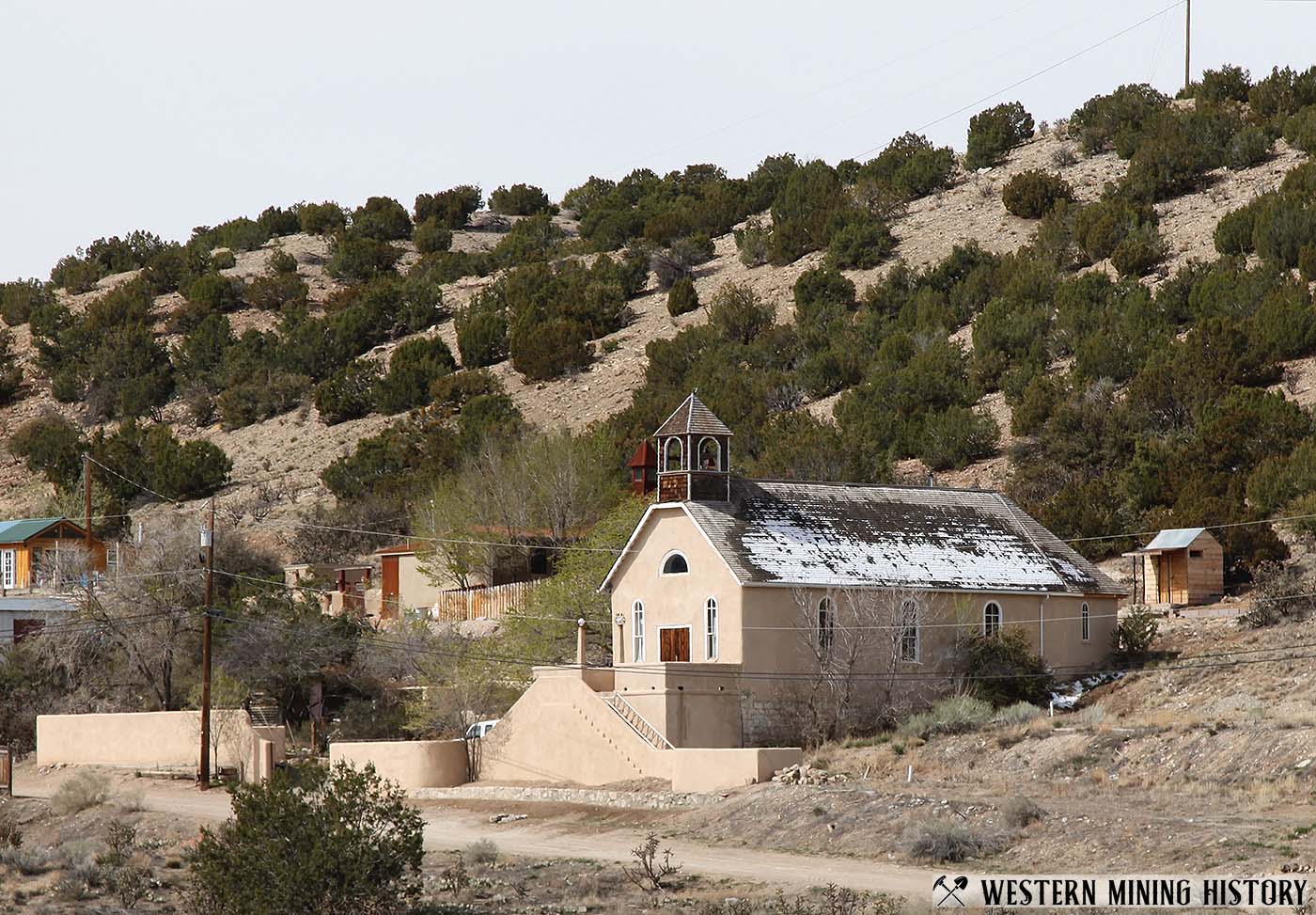
Under Kaseman, living conditions gradually improved as houses were wired for electricity, a Catholic church was constructed, recreational facilities expanded, and educational services were improved. In 1919, Kaseman appointed Oscar Huber superintendent of the mines, beginning an association that would shape Madrid's history for the next four decades.
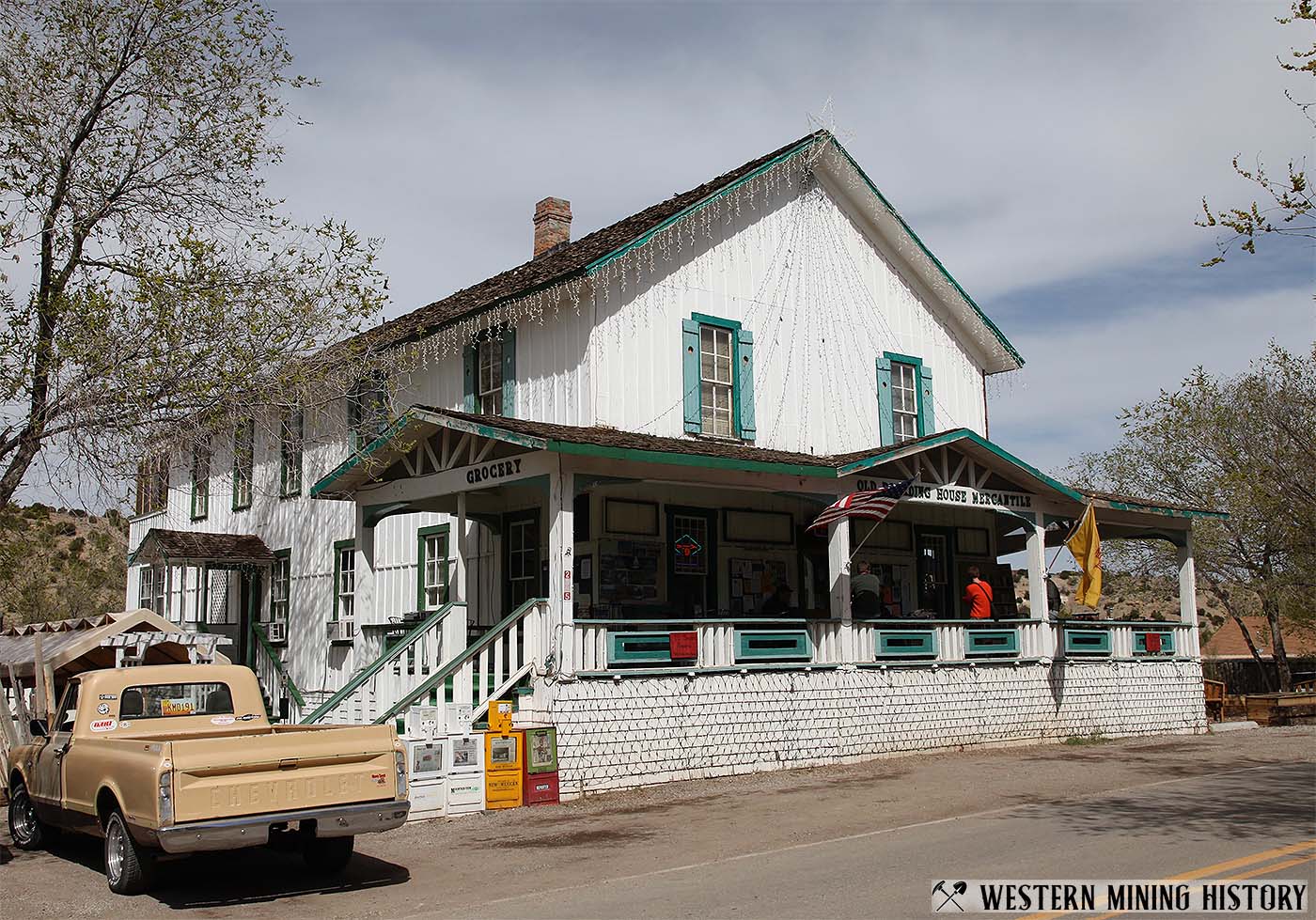
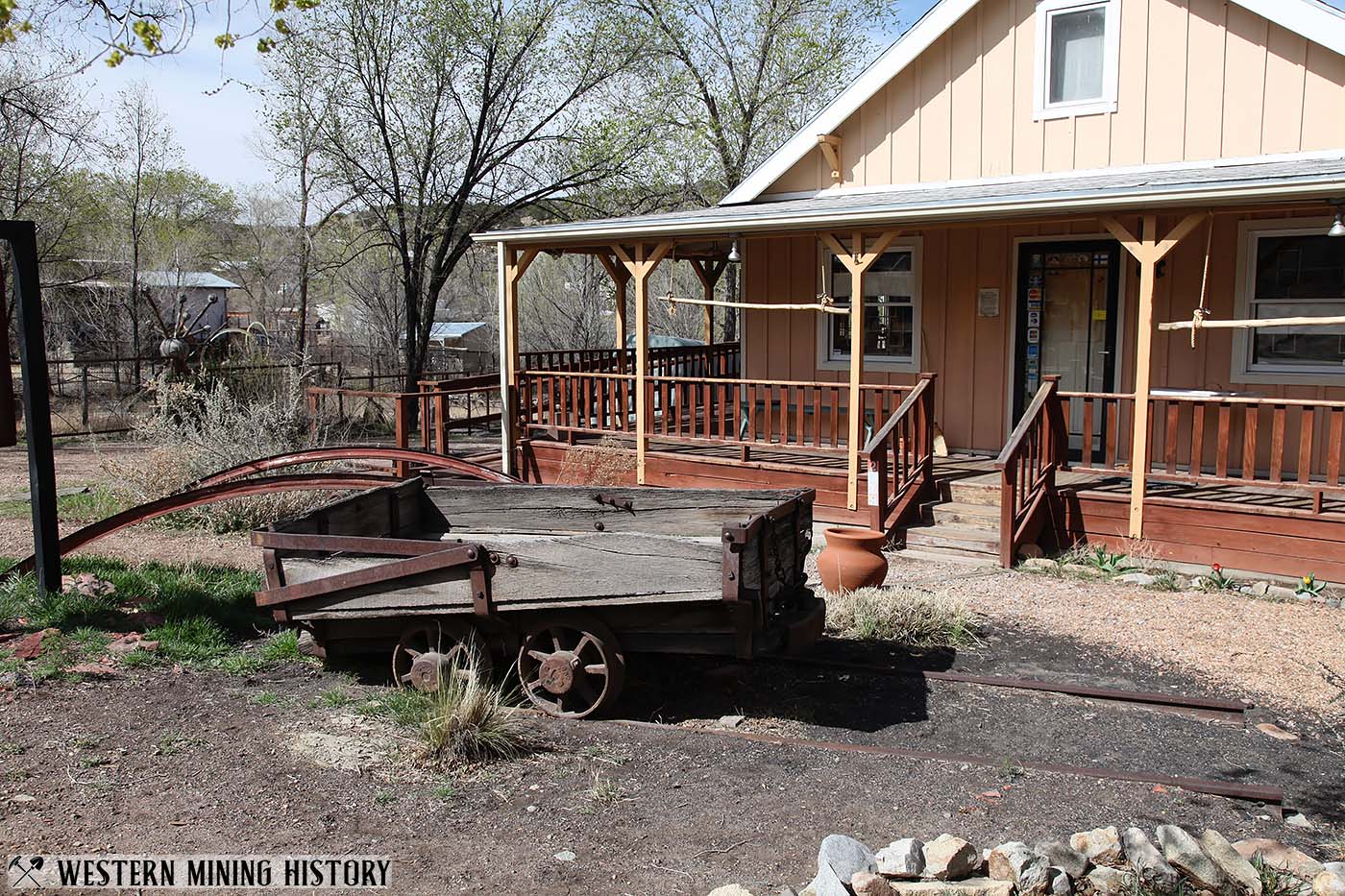
Like many western mining communities, Madrid was built and operated as a company town. The mining company owned the houses, stores, schools, utilities, and recreational facilities, while employees rented company housing and frequently used company-issued scrip for purchases. The company also maintained a hospital, employed physicians, operated a recreation hall and theater, sponsored a well-known semi-professional baseball team, and controlled nearly every aspect of community life.
During Oscar Huber's tenure many of the older houses were repaired or replaced, streets were improved, schools expanded, and modern conveniences such as indoor plumbing were gradually added to many homes. By the late 1920s, when coal production reached its peak, Madrid's population had grown to approximately 2,500 residents.
Although the company provided housing and services, miners remained economically dependent upon their employer. Wages were modest, deductions for equipment, medical care, and summer layoffs reduced take-home pay, and the United Mine Workers local organized in 1934 achieved only limited success. Nevertheless, Madrid developed a strong community identity, aided by schools, churches, athletic teams, and social organizations.
Between the First and Second World Wars, Madrid achieved national recognition for its spectacular Christmas light displays. Beginning around 1922 as simple decorations on miners' homes, the annual displays expanded into elaborate illuminated scenes covering the surrounding hillsides, including large Nativity tableaux and religious figures.
By the 1930s the displays attracted an estimated 100,000 visitors each year, and airline pilots reportedly altered their routes so passengers could view the lights from the air. The tradition ended in 1941 because of wartime restrictions and was never revived on the same scale.
Coal production remained strong during World War II, when Madrid supplied fuel for military and industrial needs, including the nearby Los Alamos laboratory. After the war, however, the market for coal declined rapidly as railroads converted from steam to diesel locomotives and homes increasingly adopted natural gas and fuel oil for heating. Production fell steadily, and the principal mining operation closed in early 1954.
Limited mining continued until 1961, but Madrid's population quickly dispersed. In a striking illustration of the town's fate, the entire community–including approximately 200 houses, schools, stores, mineral rights, and thousands of acres–was advertised for sale in the Wall Street Journal in June 1954.
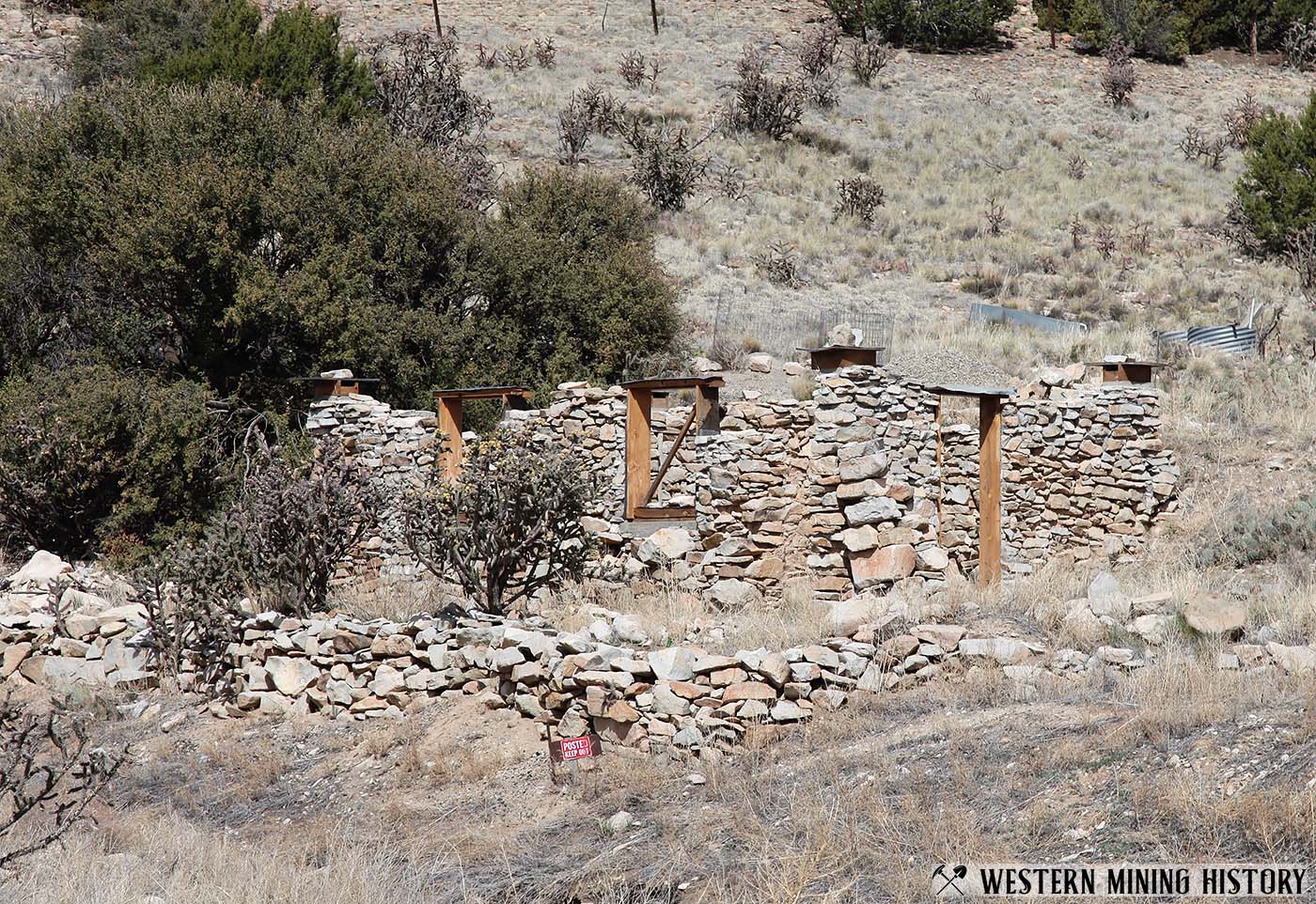
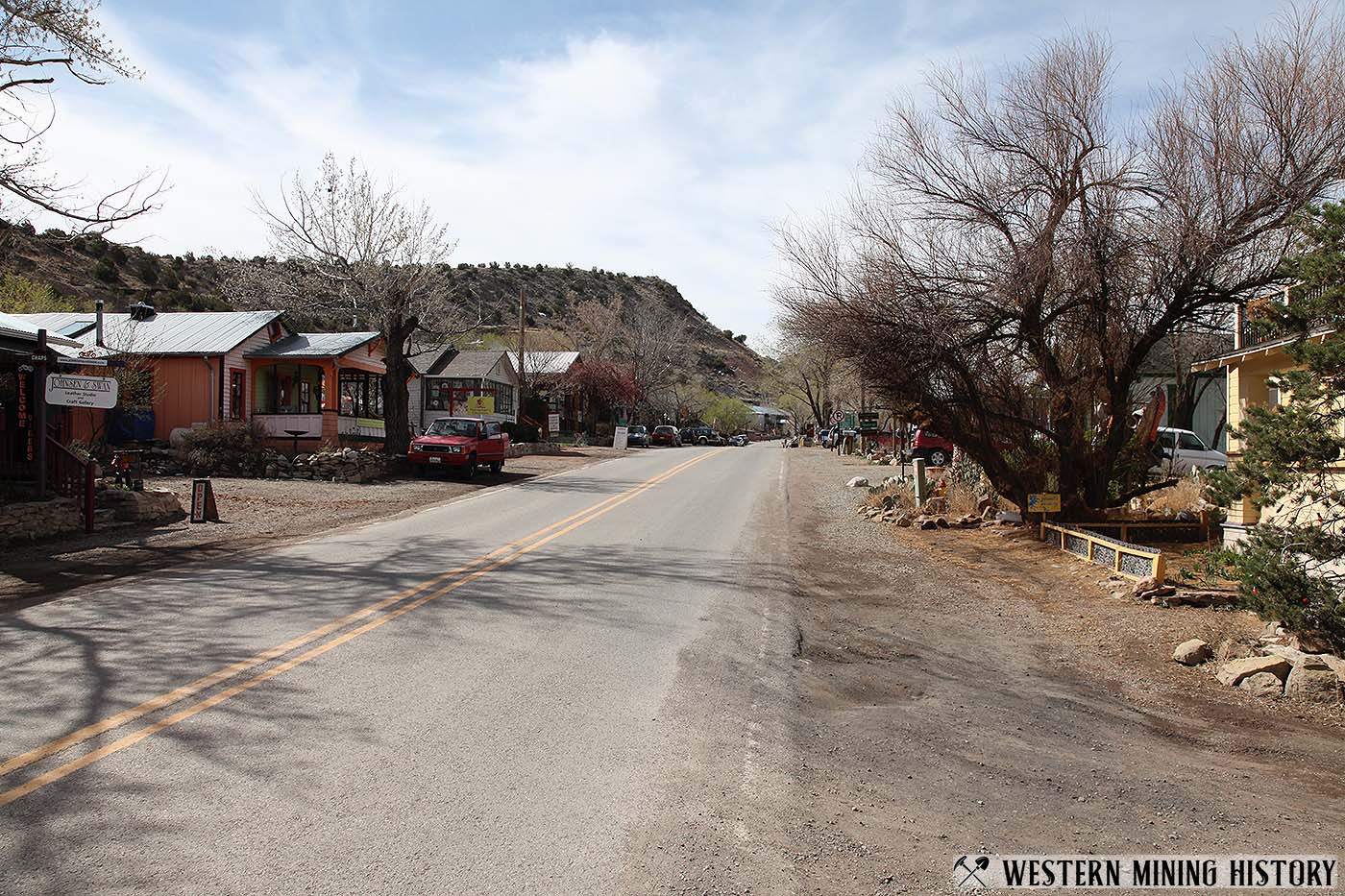
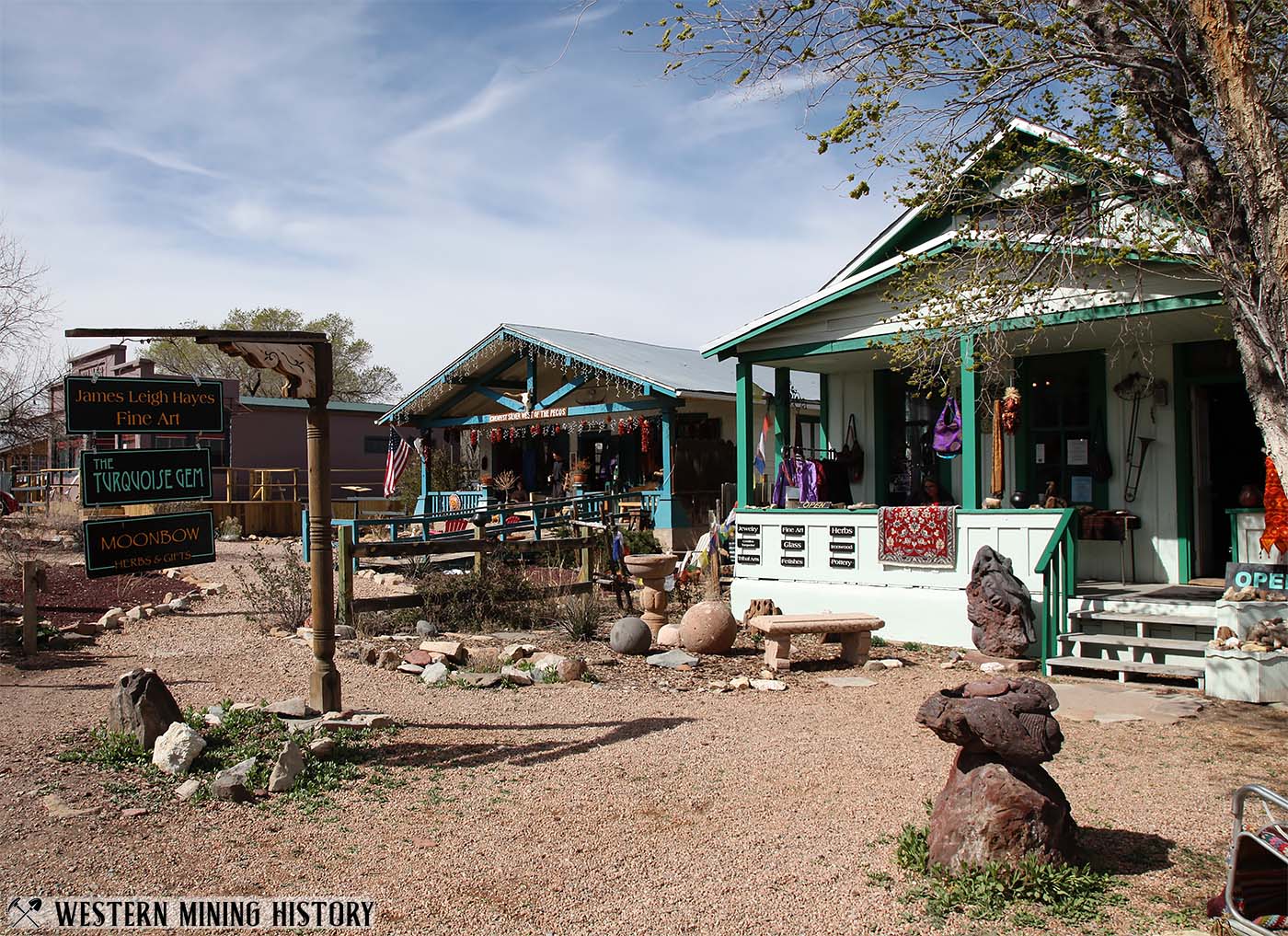
For the next two decades Madrid stood largely abandoned as a ghost town. Efforts to sell the community as a single property proved unsuccessful, and during the 1970s the remaining houses and lots were sold individually. Artists, craftspeople, and preservation-minded buyers gradually restored many of the surviving buildings, transforming the former coal camp into a thriving historic village.
Today, Madrid remains one of New Mexico's best-preserved company towns, reflecting both the state's coal mining heritage and the distinctive social and industrial history of the American Southwest.