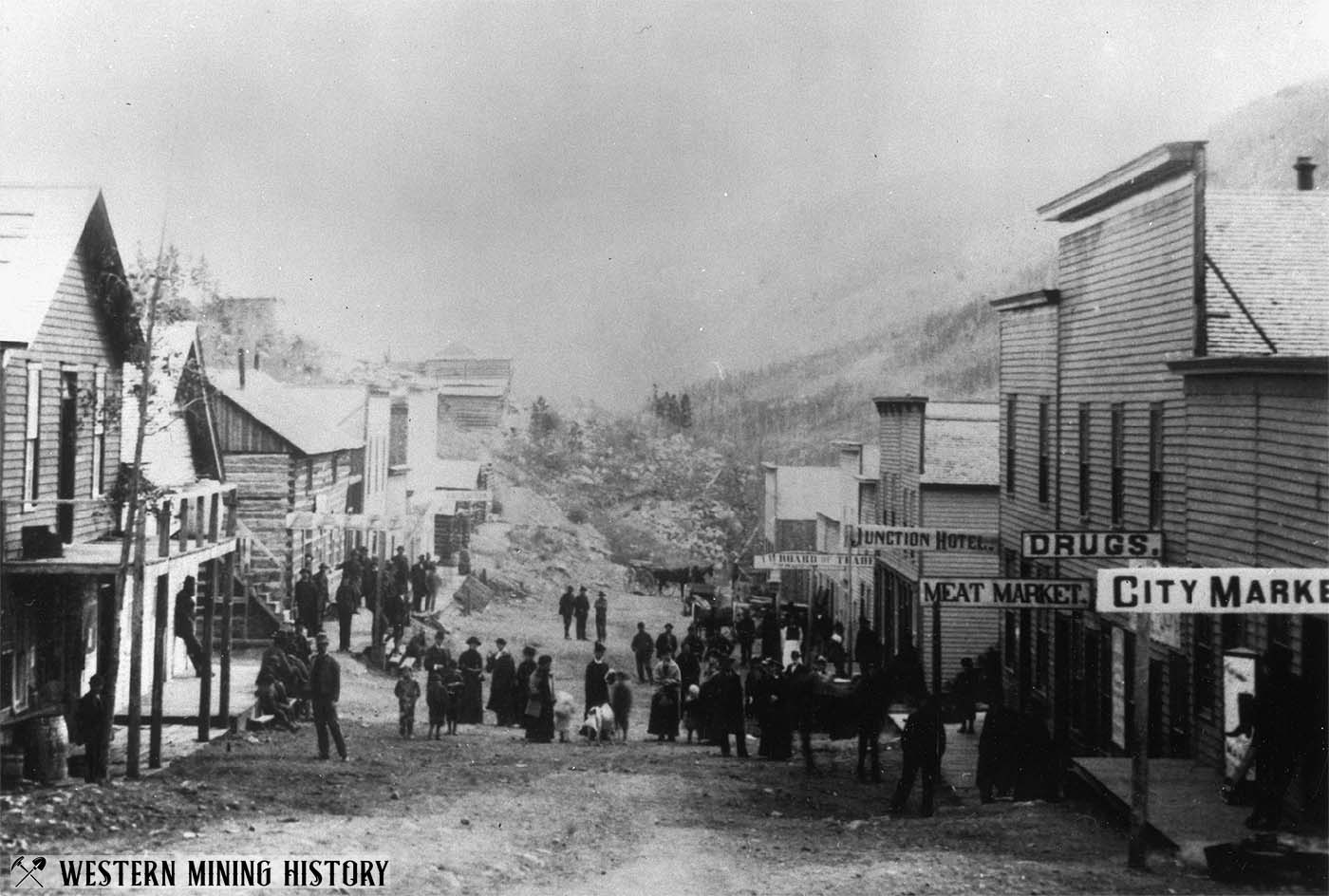
Garfield History
Garfield was one of the principal mining towns of the Monarch Mining District during Colorado's great silver boom. Located about seventeen miles west of Salida, the town originated as Junction City in 1880 at the junction of the South and Middle Forks of the South Arkansas River. It served as the commercial center for dozens of mines opening in the surrounding mountains.
The Maysville Miner reported in late June 1880 that the citizens had voted to change the town's name to Garfield. Although Garfield became the official name, many people continued to refer to the town as Junction City for years afterward. A post office was established later that year, and by 1881 History of the Arkansas Valley, Colorado described Garfield as the "busiest town in the district."
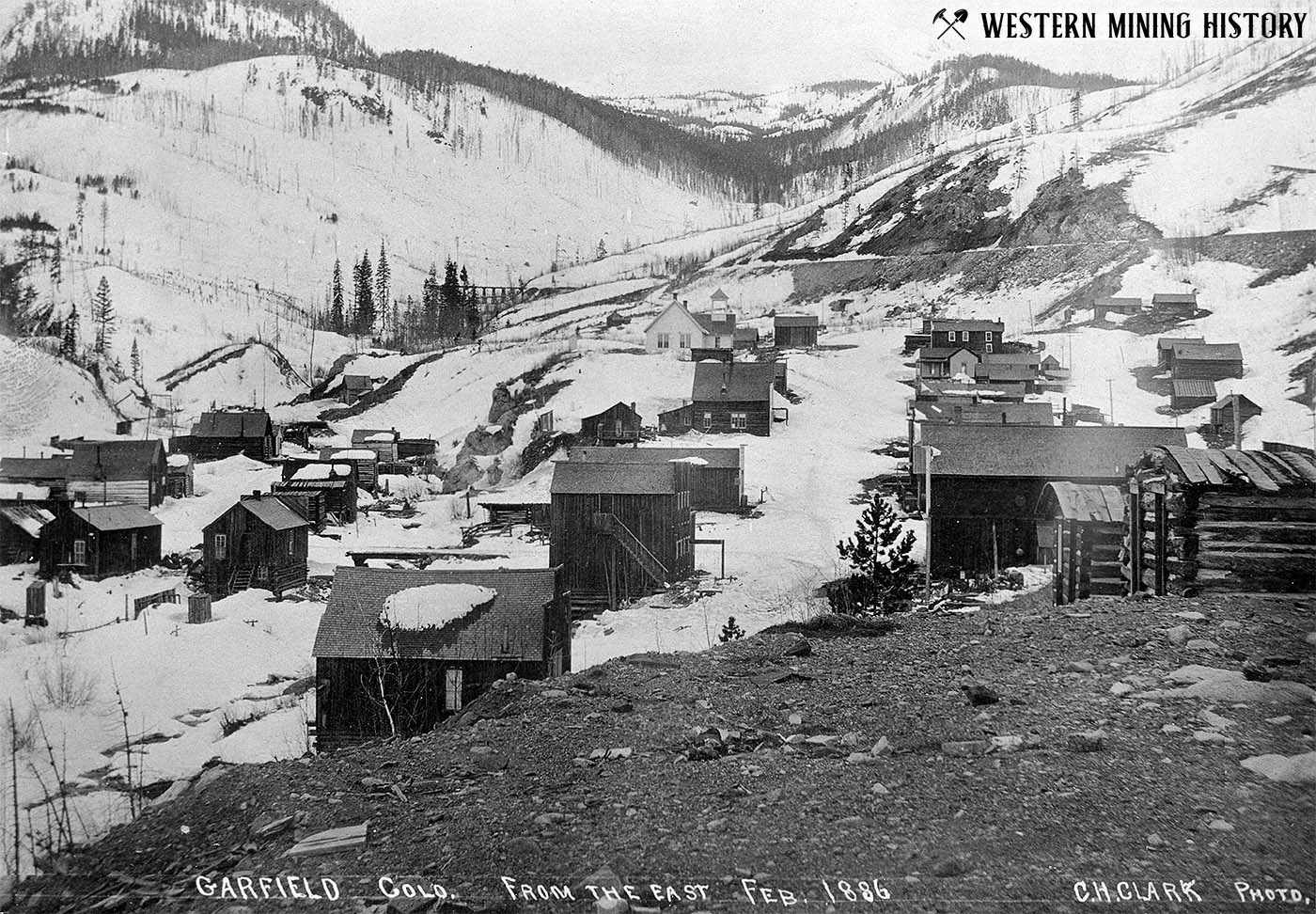
Garfield quickly became the business and entertainment center of the Monarch district. At its peak, the community contained a hotel, numerous stores and saloons, a school, a town hall, a dance hall, and many residences.
The town's growth accelerated in 1883 with the arrival of the Denver & Rio Grande Railroad in the Monarch district. That same year, disaster struck when a fire that began in Farrell's Saloon ignited a large supply of dynamite, causing the flames to spread rapidly through the town. The entire business district was destroyed. Although Garfield was rebuilt, the fire represented a significant setback during what otherwise would have been the district's most prosperous years.
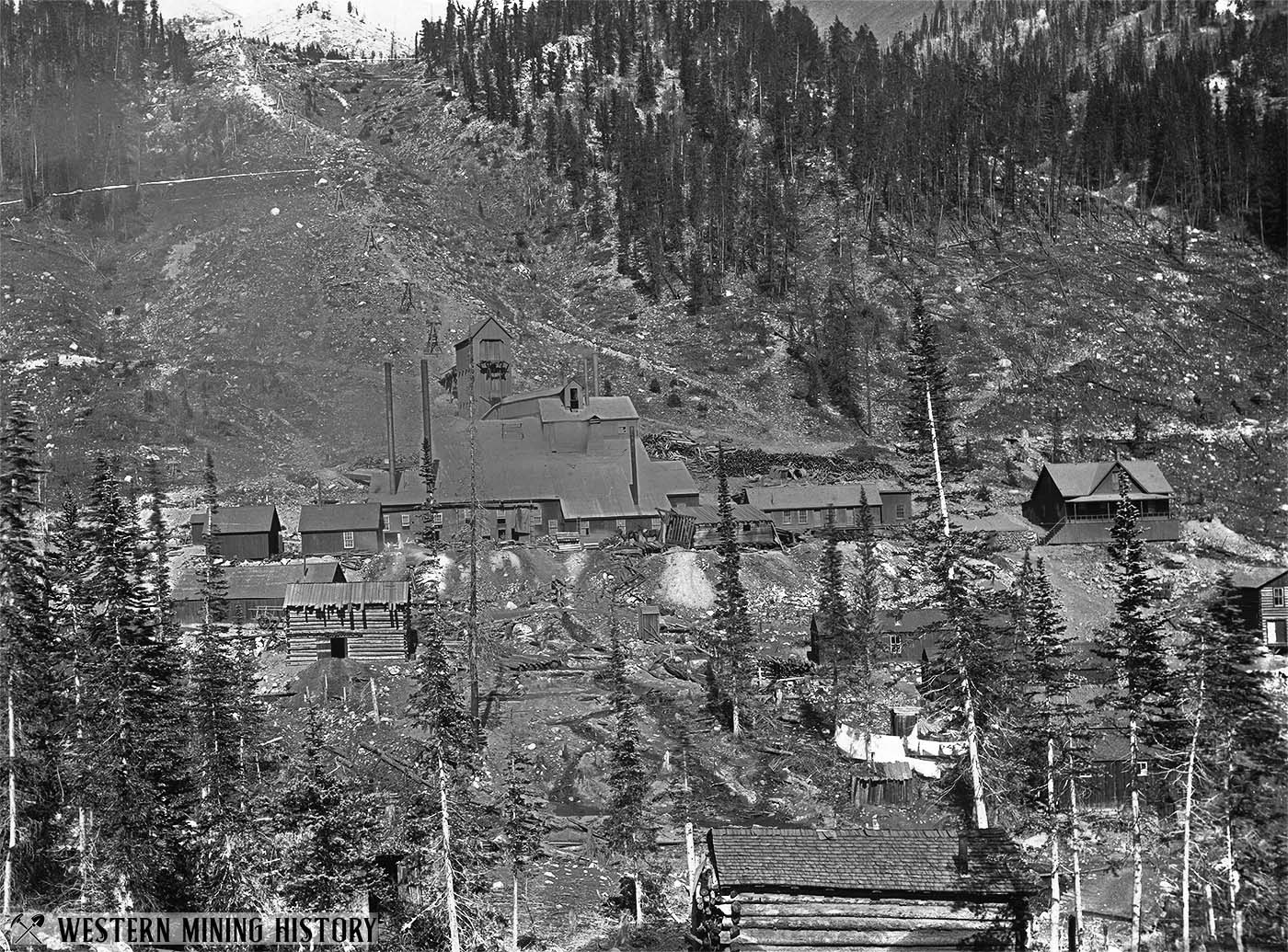
Garfield was described in the 1885 edition of Crofutt's Grip-Sack Guide:
"...It is a new town, numbers about 250... has stores of various kinds; a stamp mill, one hotel, the Cummings, bright prospects for the future... The town is supported principally by the mines in the vicinity, among the best of which are the Columbus, Gunshot, Brighton, and the Monarch. Ores are galena and lead carbonates, and run from $60 to $3,000. A large number of 'prospects' made late in the season bid fair to be very rich and productive the following season. A city government has been organized, and this infant camp is putting on metropolitan airs. The scenery about Garfield is grand and beautiful, and game of all kinds abundant in the hills."
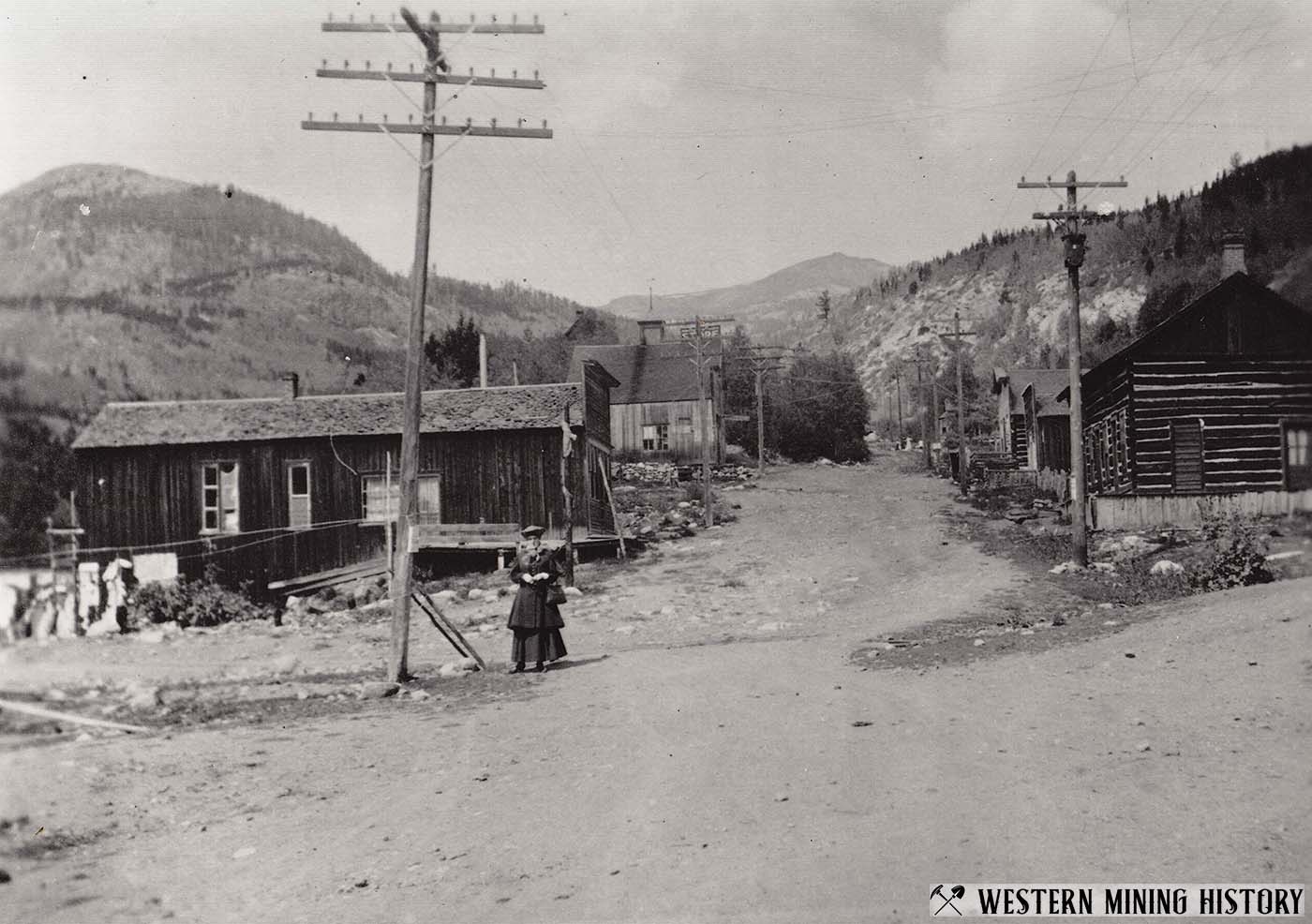
Garfield prospered throughout the 1880s, but the town's fortunes changed abruptly following the repeal of the Sherman Silver Purchase Act and the Panic of 1893. The collapse of silver prices forced many district mines to curtail operations or close entirely. Garfield's population declined as businesses failed and residents departed for more prosperous camps. Although mining continued intermittently for decades, with zinc and lead becoming increasingly important, the town never regained its boom-era prominence.
The Garfield post office remained in operation until 1963. Today, Garfield supports a small seasonal community, and the surrounding area is a popular winter destination because of its proximity to Monarch Mountain Ski Area.
A Tour of Colorado Mining Towns
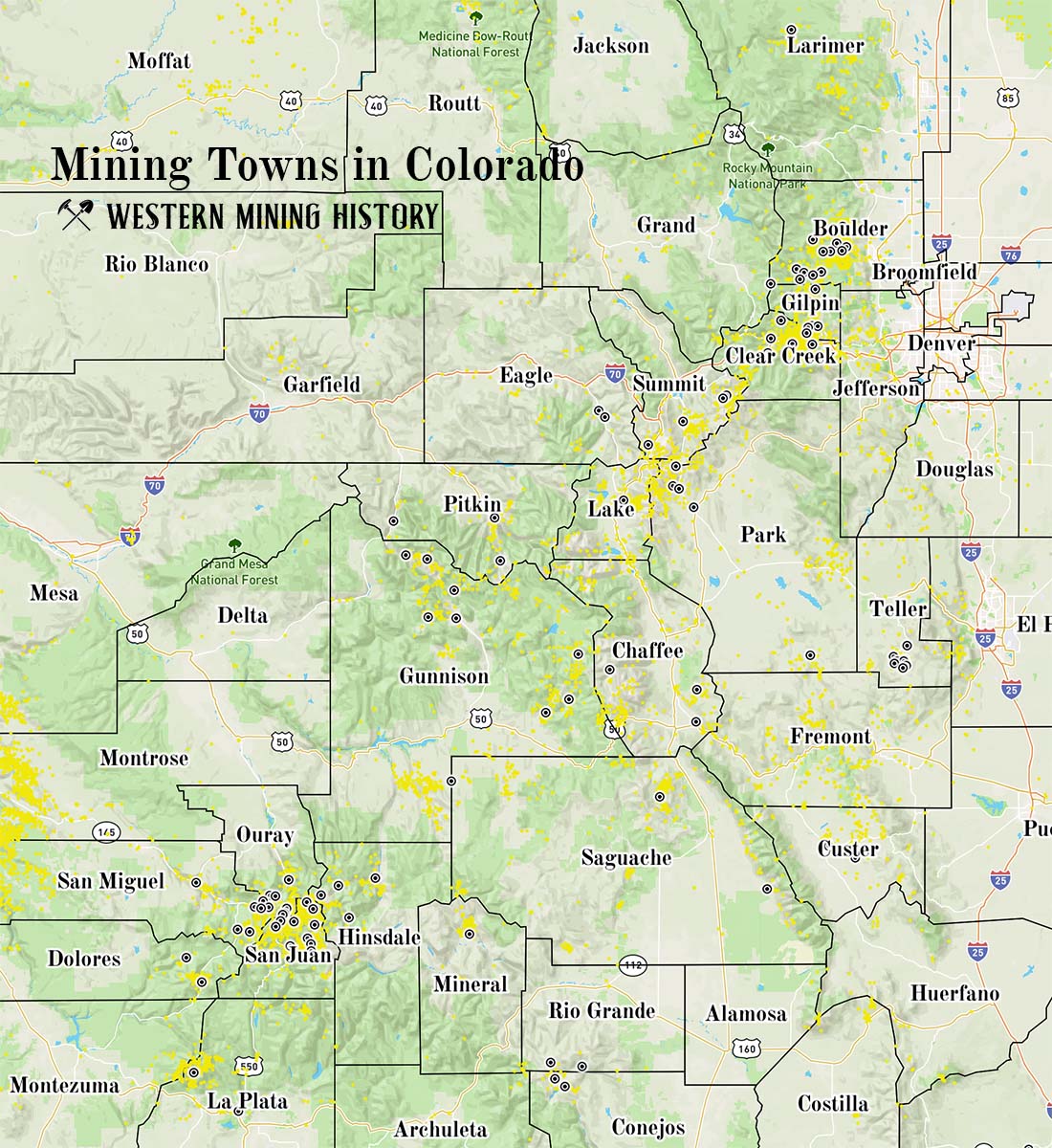
Explore over 100 Colorado mining towns: A tour of Colorado Mining Towns.
Colorado Mining Photos
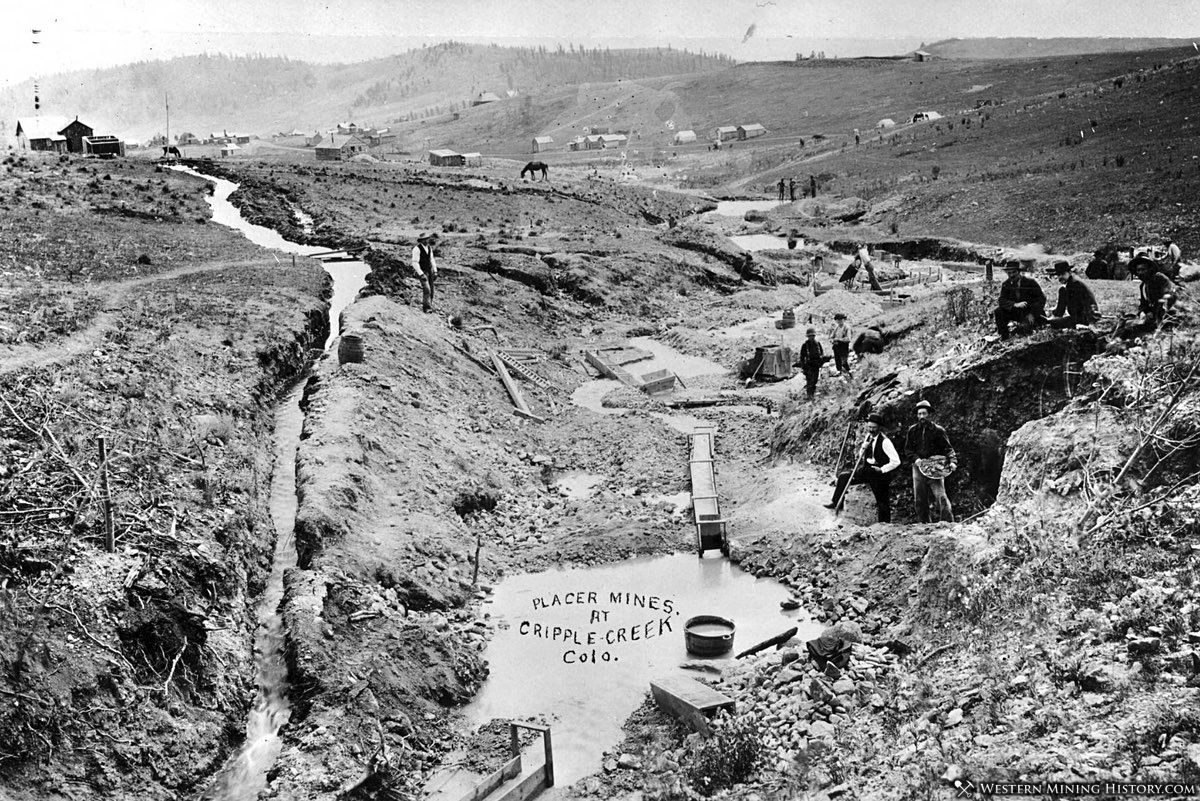
More of Colorado's best historic mining photos: Incredible Photos of Colorado Mining Scenes.