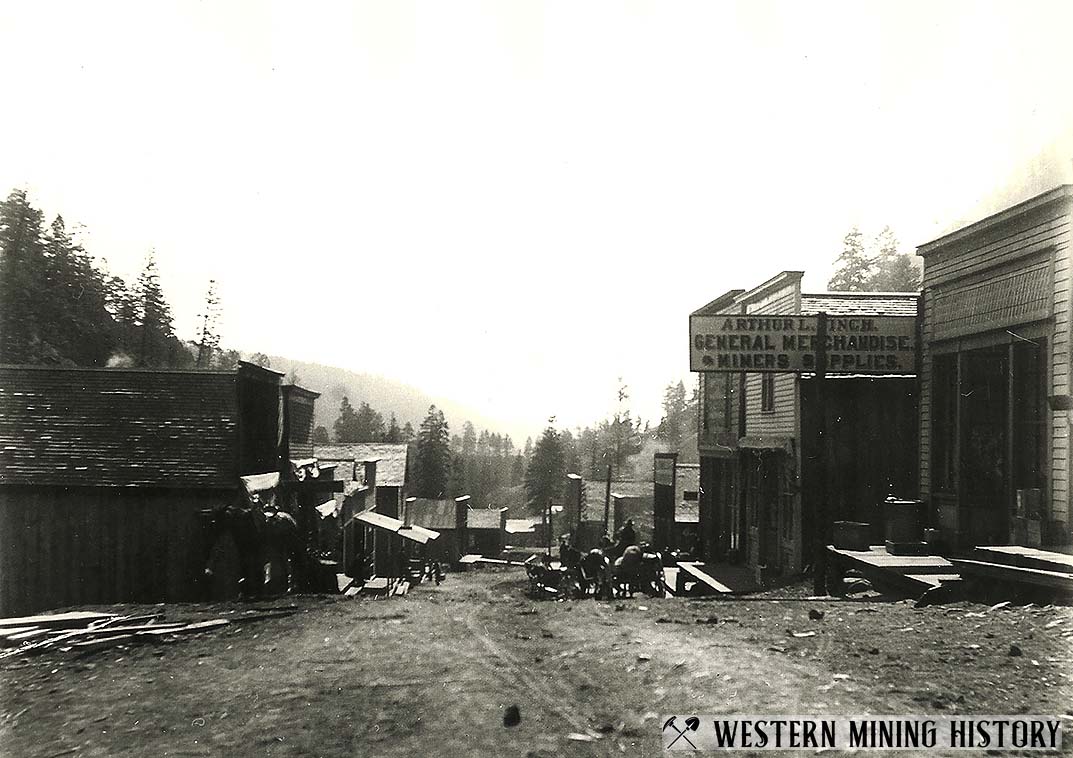
Bland History
A camp was established here following the discovery of gold and silver deposits in 1890. The small settlement became a boom town in 1894 following the discovery of the Albemarle deposit. The town established a post office that year, taking its name from Richard Parks Bland, a prominent political figure associated with the pro-silver movement and the Bland–Allison Act of 1878, which sought to bolster silver coinage in the United States.
The initial development of Bland was rapid. Prospectors and investors flocked to the area, drawn by reports likening the district to a “new Cripple Creek,” one of Colorado’s most productive gold camps. Within a short period, more than fifty mines were established. Noteworthy mines of the district were the Albemarle, Lone Star, Crown Point, Washington, Iron King, and Good Hope.
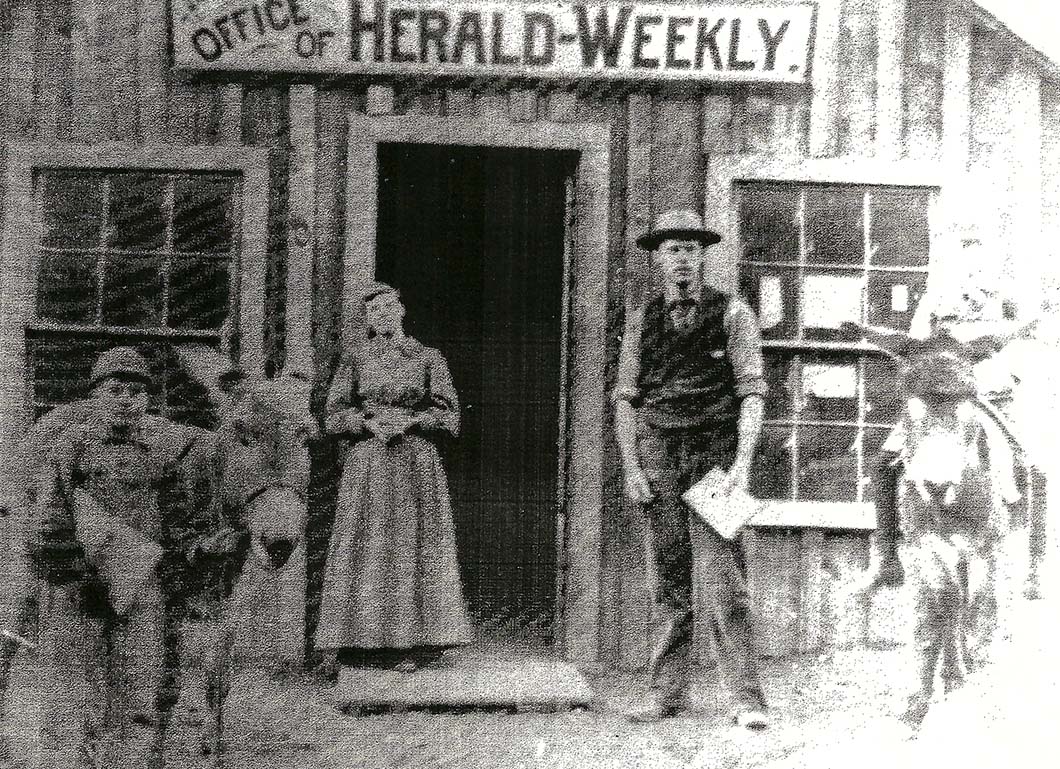
By the turn of the twentieth century, Bland had reached its peak, serving as the center of the Cochiti mining district with an estimated population of approximately 3,000. The town supported a diverse array of commercial and social institutions, including two banks, the Bland Herald newspaper, an opera house, a stock exchange, a school, and numerous mercantile establishments and saloons. A stage line connected Bland with the town of Thornton, twenty-five miles distant, where there was a Santa Fe railroad station. Local sawmills furnished lumber for both the town and surrounding mines.
The town’s physical geography played a significant role in shaping its development. Bland was confined to a canyon reportedly only about sixty feet wide, resulting in a linear settlement built along a single main street. Space constraints forced residents and builders to adapt creatively; in some cases, portions of the canyon walls were blasted away to accommodate additional structures.
The success of the Albemarle mine prompted the construction of a large mill at the site for processing ore. It was claimed to be the first steel building in New Mexico. The facility processed 125 tons of ore per day, employed 150 men, and was described by The Rocky Mountain News as the second largest in the United States (the largest being at Mercur, Utah). The mill was powered by electricity generated from a plant 32 miles away at the coal-mining town of Madrid.
Like many boomtowns of the American West, Bland’s prosperity proved short-lived. Although mining operations were initially profitable, production began to decline in the early 1900s as easily accessible ore bodies were exhausted. By 1904, the town had entered a period of decline, and many businesses had closed. Periodic mining activity prevented complete abandonment for a time, but by 1935 the town could no longer be sustained, and the post office closed.
Whatever remained of Bland's built history met its end in the summer of 2011, destroyed by the Los Conchas fire. The site today sits on private property, with no buildings left to mark the extraordinary decade when thousands of people carved a noisy, ambitious city into a canyon barely wide enough to swing a pickaxe.