Kingston History
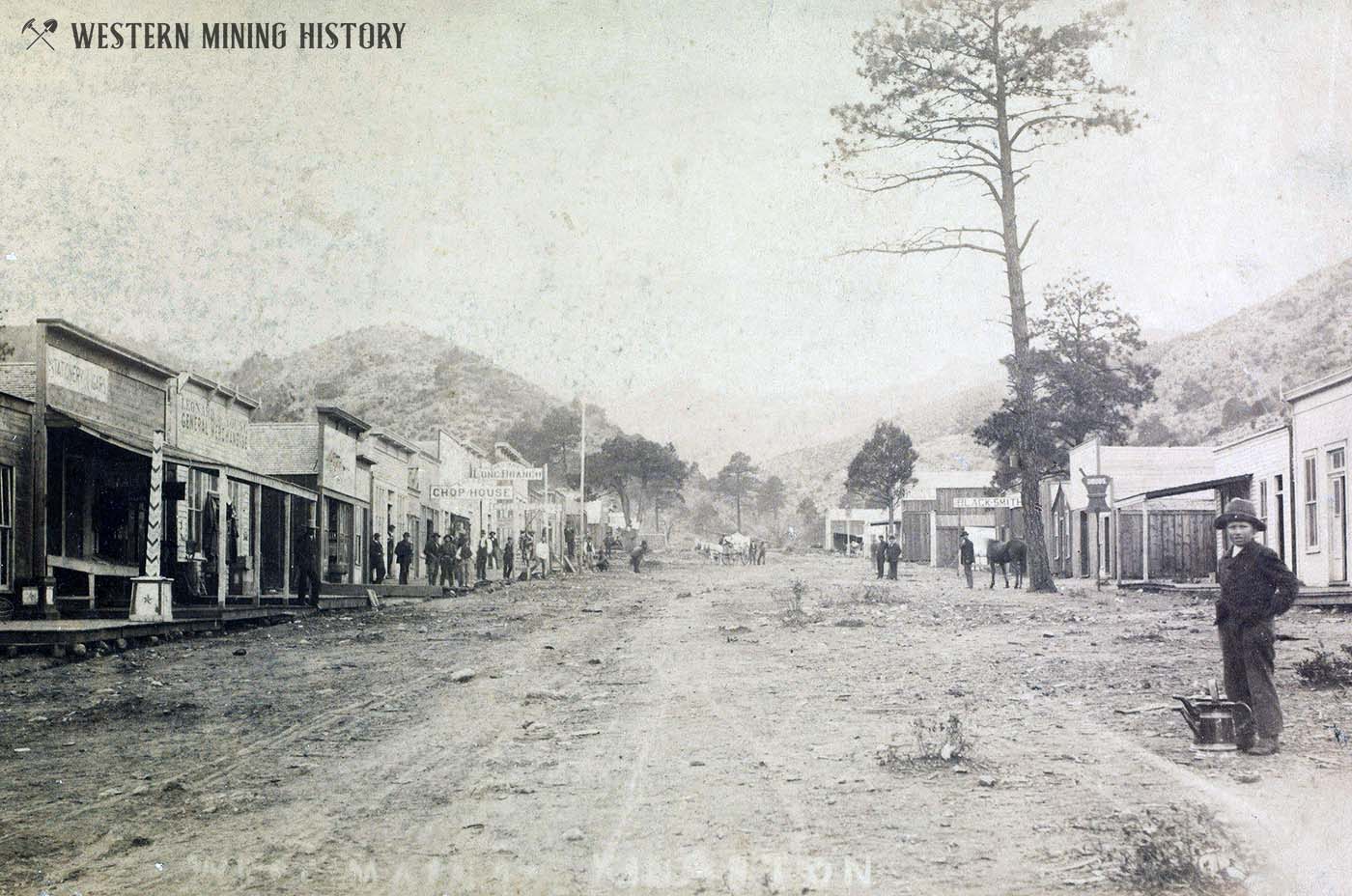
When rich silver ore was discovered in the hills of southwestern New Mexico in the fall of 1882, the response was immediate and overwhelming. Kingston materialized in the canyon below almost overnight, and within two months thousands of fortune seekers had transformed a remote wilderness into one of the busiest towns in the territory.
The history of Kingston is difficult to reconstruct with confidence. Much misinformation has accumulated over the years, and even seemingly authoritative sources must be treated with caution.
One persistent example concerns the town's origins: many accounts claim that Kingston was originally called Percha City and later renamed, but postal records and period newspapers indicated that they were distinct places rather than the same town at different points in time. Writing in August 1883, The Daily Register of Wheeling, West Virginia noted that Percha City was among several nearby settlements that had "disappeared entirely or nearly so since Kingston was founded."
The roster of famous visitors attributed to Kingston deserves similar scrutiny. Billy the Kid is frequently named among them, a claim that is simply impossible — he was killed several months before the town was even founded. Mark Twain, Butch Cassidy, the Sundance Kid, and Black Jack Ketchum appear in similar accounts, and while some of these visits may have occurred, none can be verified with confidence. Kingston's colorful reputation made it an irresistible backdrop for legend, and legend has a way of outlasting the facts.
The town's reported peak population of 7,000 presents the same problem. Census records put the number considerably lower, but that discrepancy alone does not settle the question. Boom towns were, by their nature, moving targets. Populations surged during the initial rush and collapsed just as quickly as the romance of the strike gave way to the grinding routine of mining camp life.
The true peak almost certainly exceeded what any census could capture, since the count was invariably taken after the initial boom had already begun to fade. Even so, 7,000 is likely an exaggeration, a figure born of civic pride and the very human tendency to remember things as larger than they were.
A Western Boom Town
Just eight weeks after its founding in the fall of 1882, Kingston was already a sprawling, chaotic jumble of a town. Main Street stretched half a mile, ran a hundred feet wide, and was lined with a mix of framed structures, log cabins, and canvas tents. Miners loitered in groups or crowded the bars, haggling over claims with speculators who, as one writer for the Engineering and Mining Journal wryly observed, seemed to reach a new camp almost as quickly as the saloon-keeper.
A steady stream of newcomers arrived — some on wagons with families and tools, others trudging alongside a loaded burro with everything they owned. For every hopeful arrival there was a defeated one heading the other way.
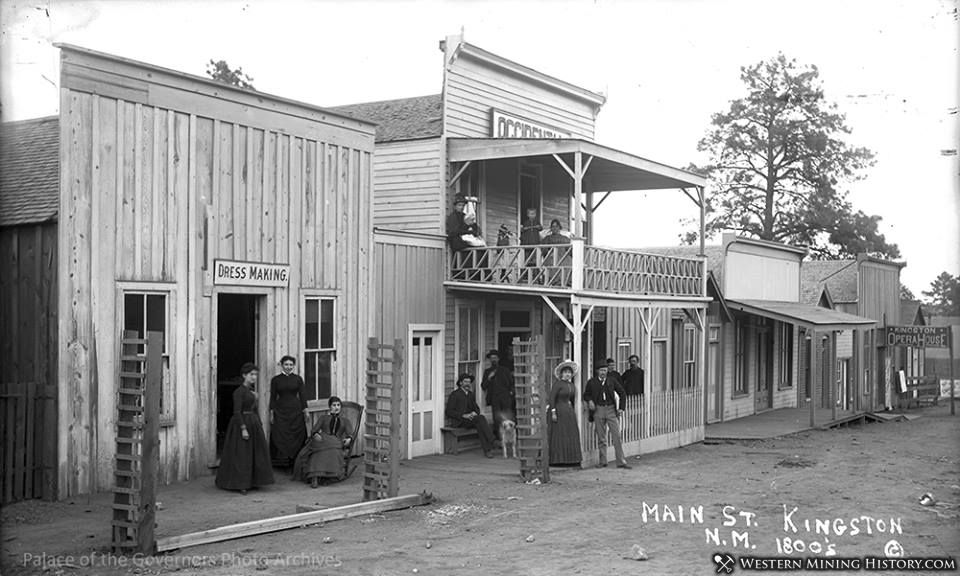
Saloons dominated the commercial landscape, appearing in every form and under every pretense, yet Kingston had already acquired a stabilizing element absent from earlier mining camps: respectable women and children. Their presence was credited with the town's remarkable record, as even with crowded gambling tables and rowdy saloons operating nightly, no intentional shooting death had yet occurred.
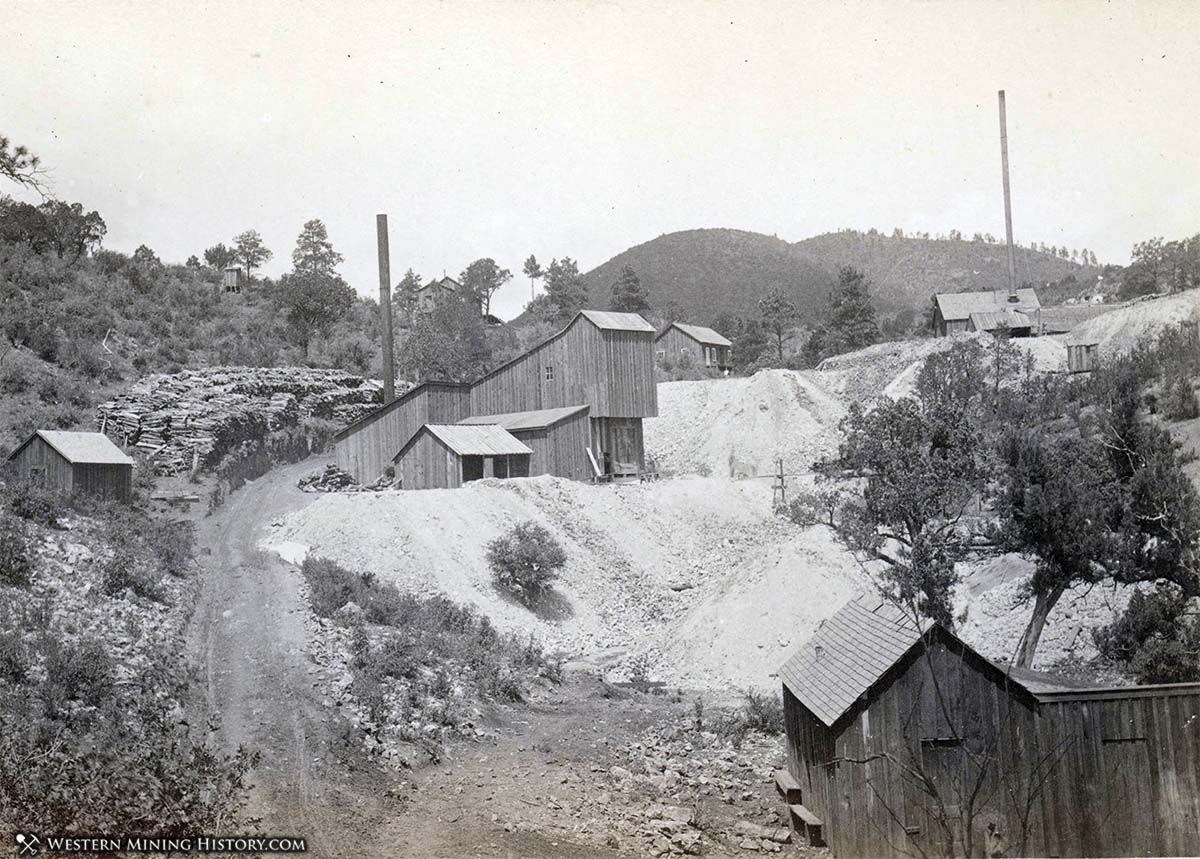
The good times could not last. The gold standard replaced the silver standard in 1892, dropping silver prices 40 percent almost overnight and sparking the Panic of 1893. As the mines played out and profits turned into losses, Kingston folded. Many folks moved to Arizona Territory or simply shifted to neighboring Hillsboro, whose economy was based on gold mining and ranching.
As townspeople left, they tore down the wooden buildings and carried out the lumber to build new homes. The town was not completely abandoned, however, and persevered for many decades as a small, sleepy mining outpost.
The Kingston post office closed in 1957, marking the end of an era for the once-roaring town. In total, $7 million in silver was extracted from the mines of the district.
Kingston Today
Though it has never recovered its former population, Kingston has not disappeared entirely. Today there are only a few buildings remaining from the glory days of the 1880s.
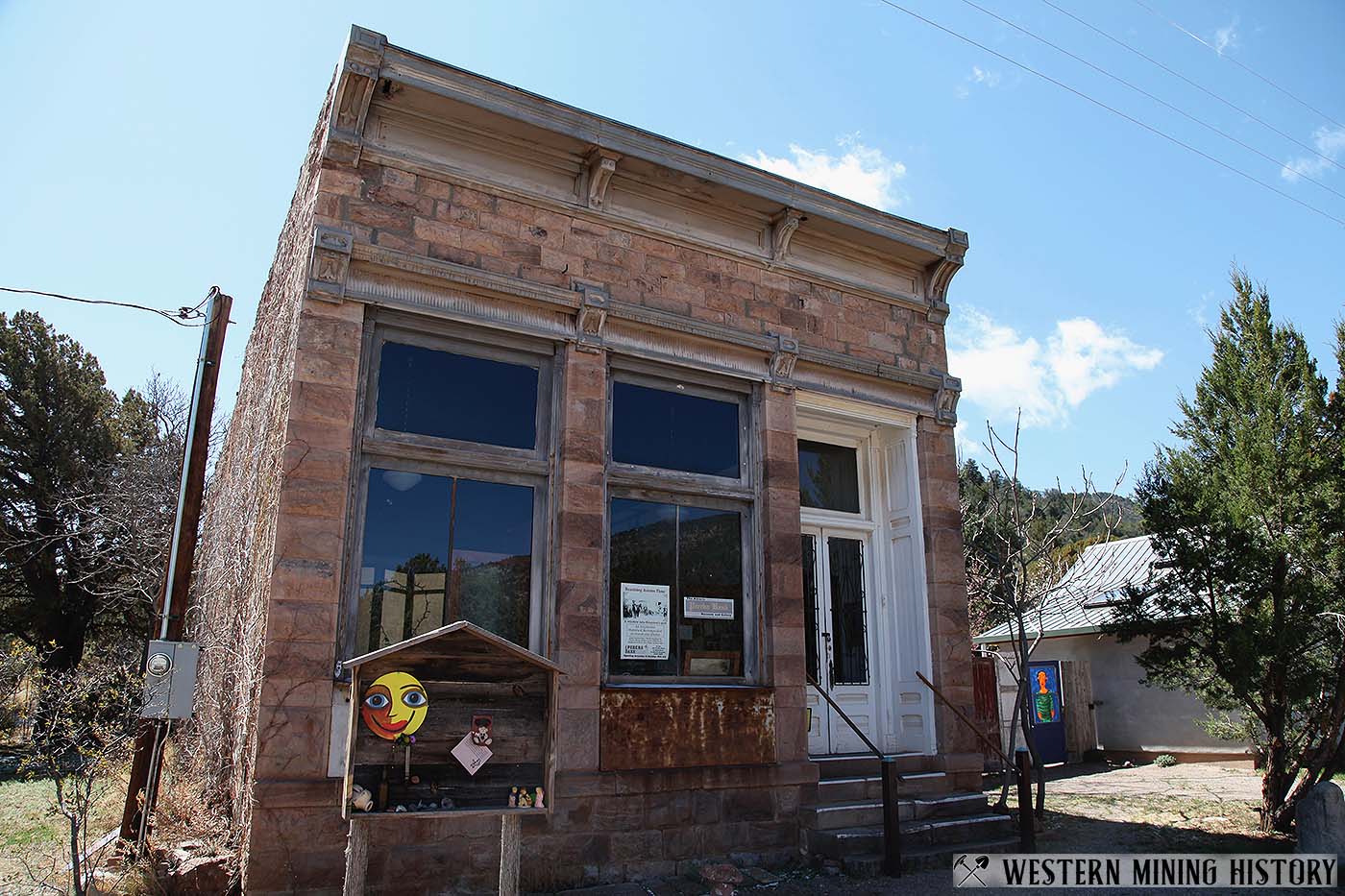
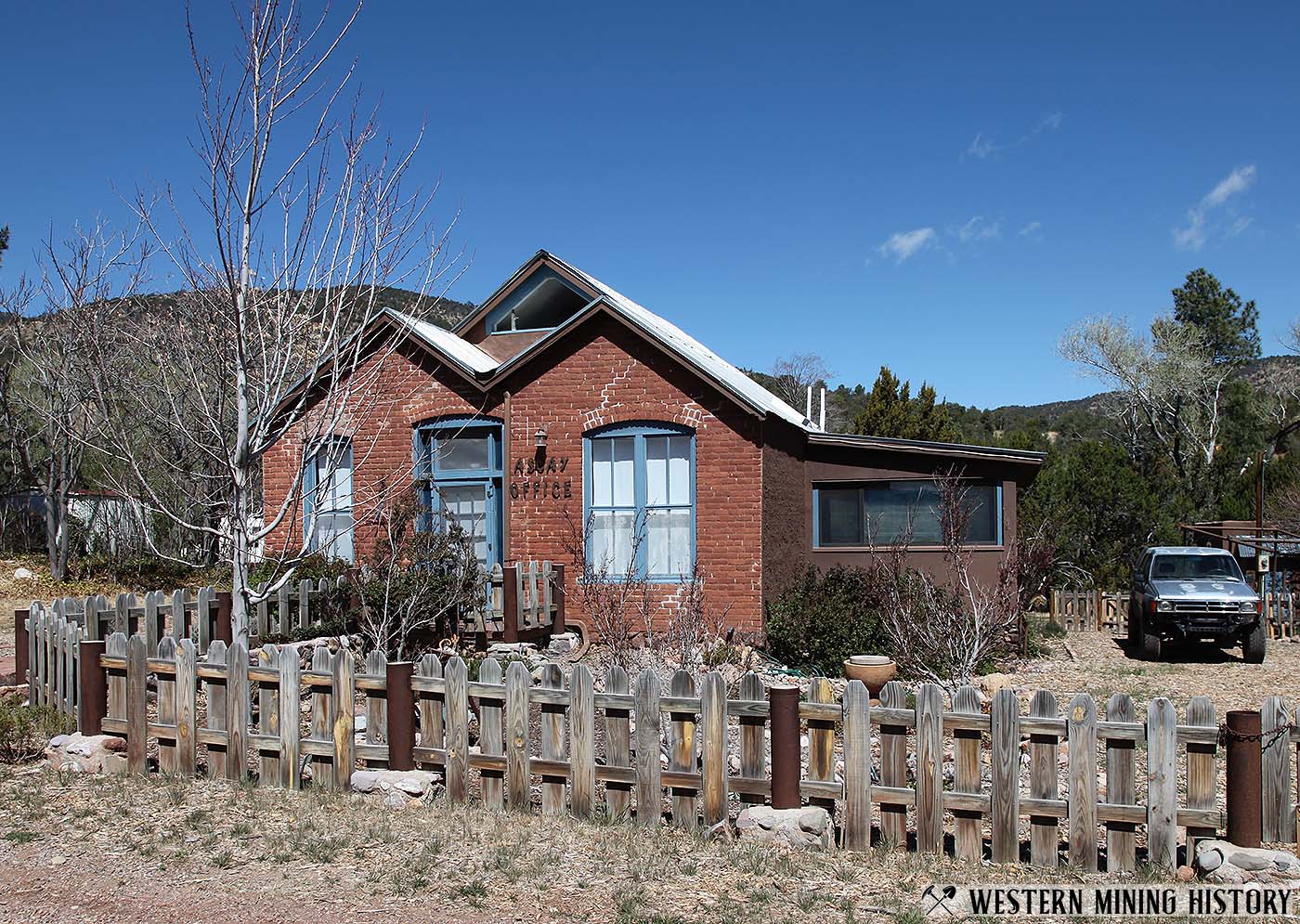
The old Assay Office has been renovated as a private residence. The Victorio Hotel is also now a private residence. The Black Range Lodge, open as a Bed & Breakfast, was constructed from the ruins of what was once Pretty Sam's Casino. The Percha Bank building, a substantial stone structure dating from 1884, still stands.
In conjunction with New Mexico's centennial in 2012, local historian Barb Lovell raised $9,000 to restore the former Kingston schoolhouse and turn it into a museum. Exhibitions detail how the 1882 tent city quickly grew to one of New Mexico's most populous towns, preserving the story for generations to come.
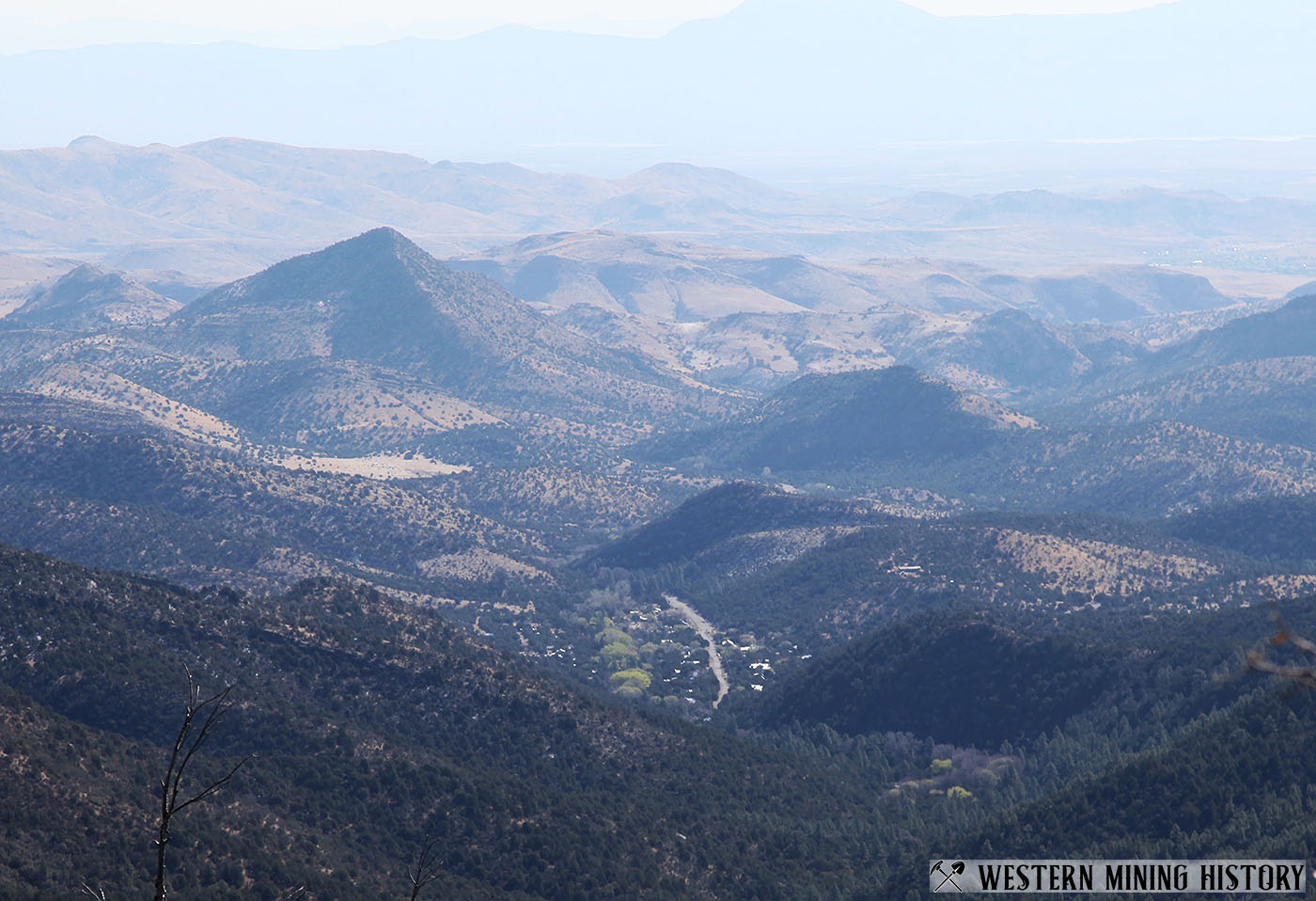
Kingston also serves today as a gateway to the Gila National Forest and the Gila Cliff Dwellings, drawing hikers and history enthusiasts alike to its quiet canyon.
