Tyrone History
Copper deposits in the Burro Mountains had long been known to Native Americans and Spanish settlers. Following the American acquisition of the region after the Mexican-American War, prospectors began exploring the district in earnest. By the 1870s, several copper deposits had been discovered near present-day Tyrone, and mining companies began developing the district's higher-grade ore bodies.
Early mining remained limited by transportation. Before railroads reached southwestern New Mexico, ore had to be hauled long distances by wagon to railheads, making only exceptionally rich ore profitable. The arrival of the railroad at Silver City in the early 1880s improved conditions considerably, but fluctuating copper prices and the relatively modest size of the richest ore bodies prevented the district from becoming a major producer.
The district's fortunes began to change in 1904 when the Phelps Dodge Corporation started acquiring the principal mining properties. Company president Walter Douglas recognized that although the remaining ore averaged only about two percent copper, advances in mining technology were making it increasingly economical to mine these vast, low-grade deposits.
Douglas also saw New Mexico as an attractive alternative to neighboring Arizona. During the early twentieth century, Arizona's mining industry experienced growing labor unrest, increasingly powerful unions, and a political climate that favored organized labor. New Mexico, by contrast, remained largely rural and had experienced relatively little labor conflict. Tyrone became part of Phelps Dodge's broader strategy to establish a modern mining operation in an environment where the company could exercise greater control over both production and community life.
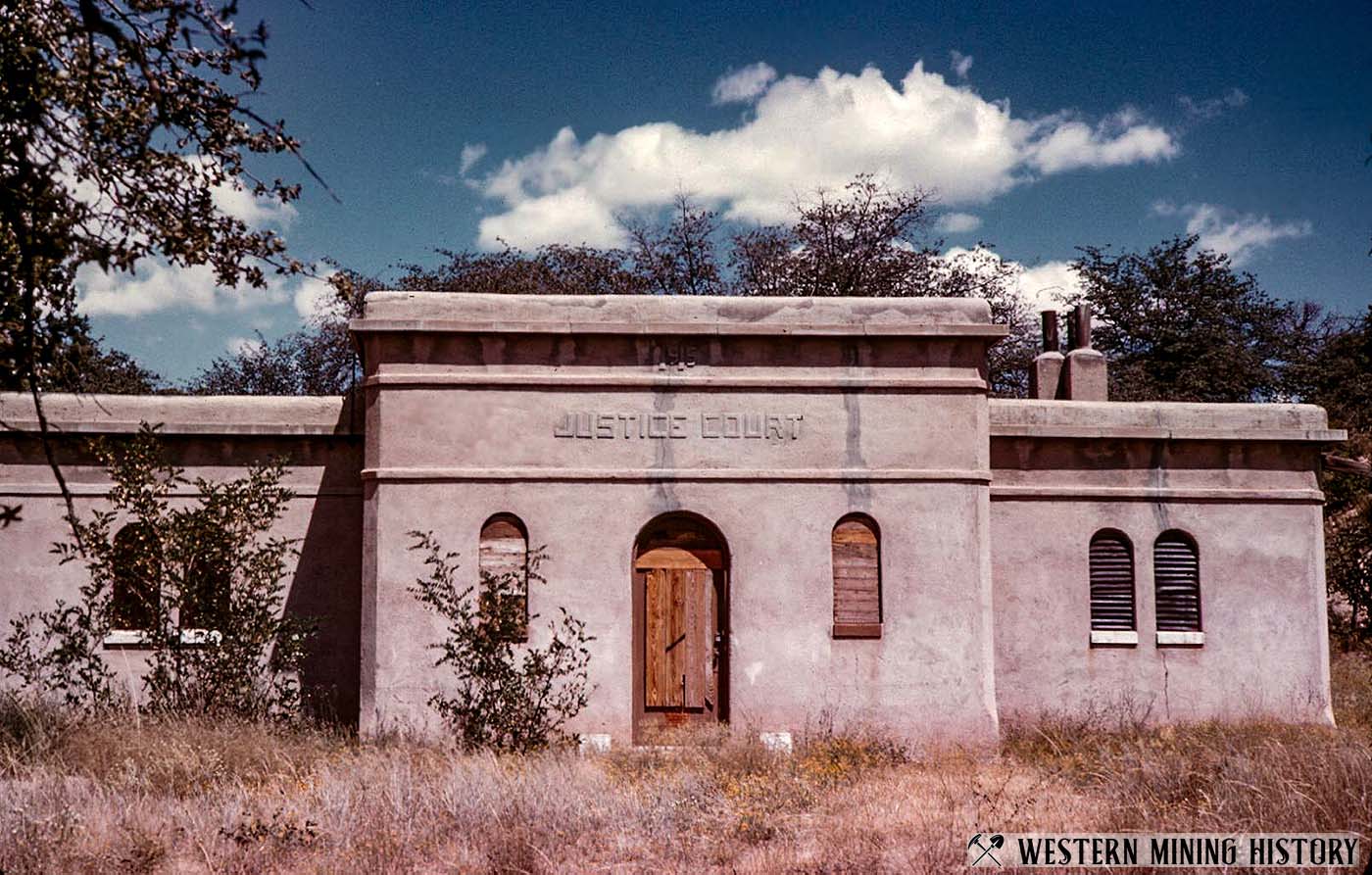
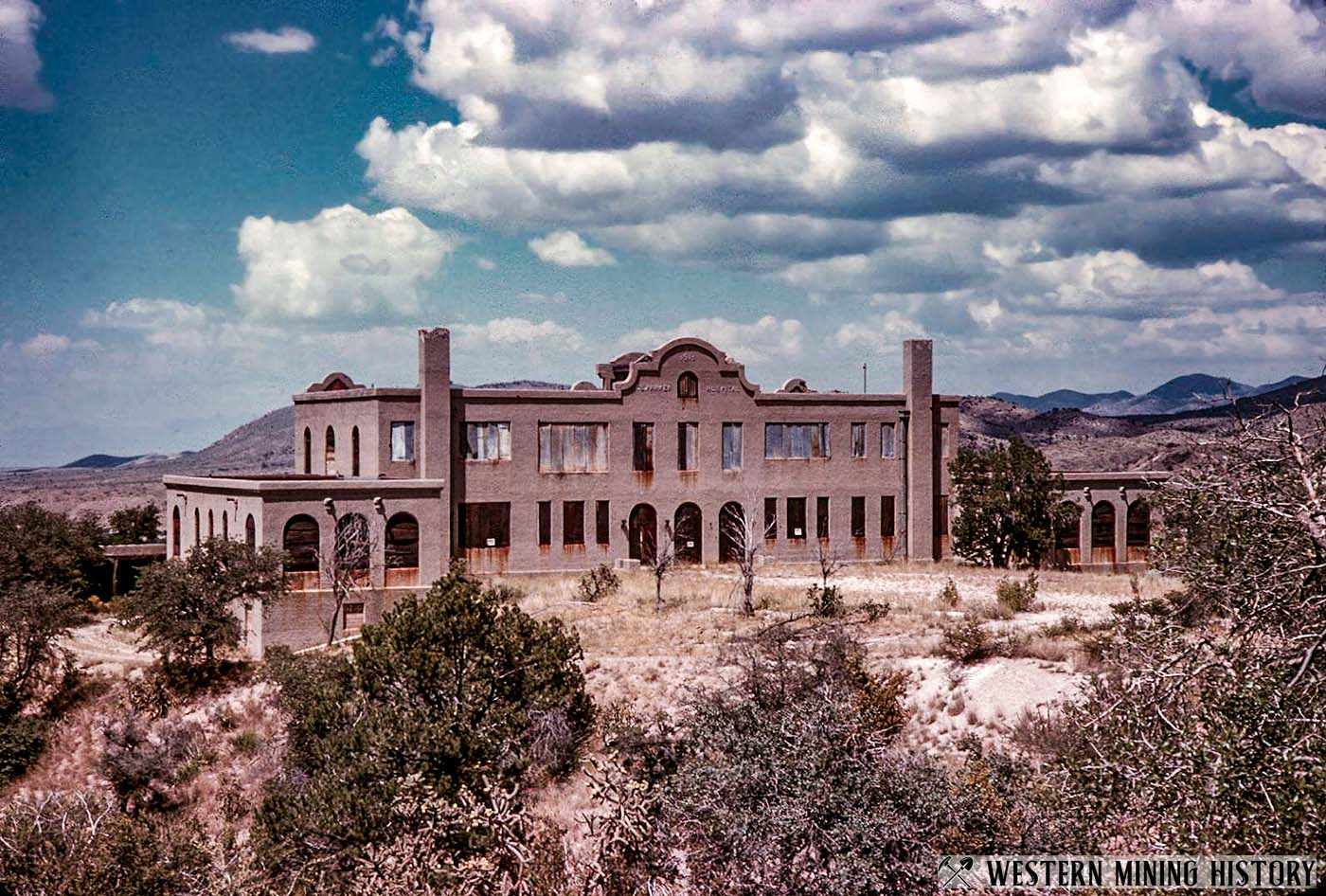
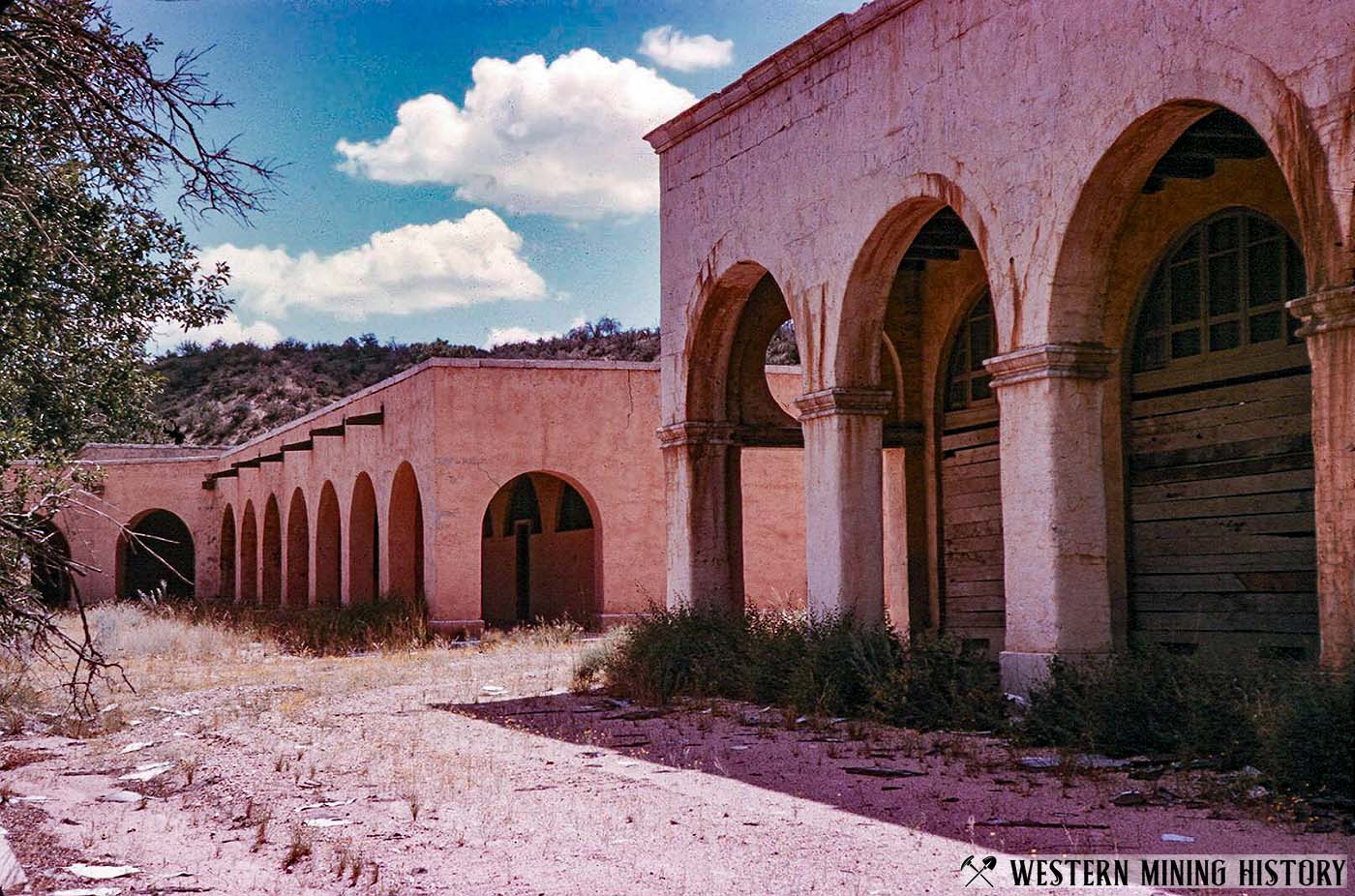
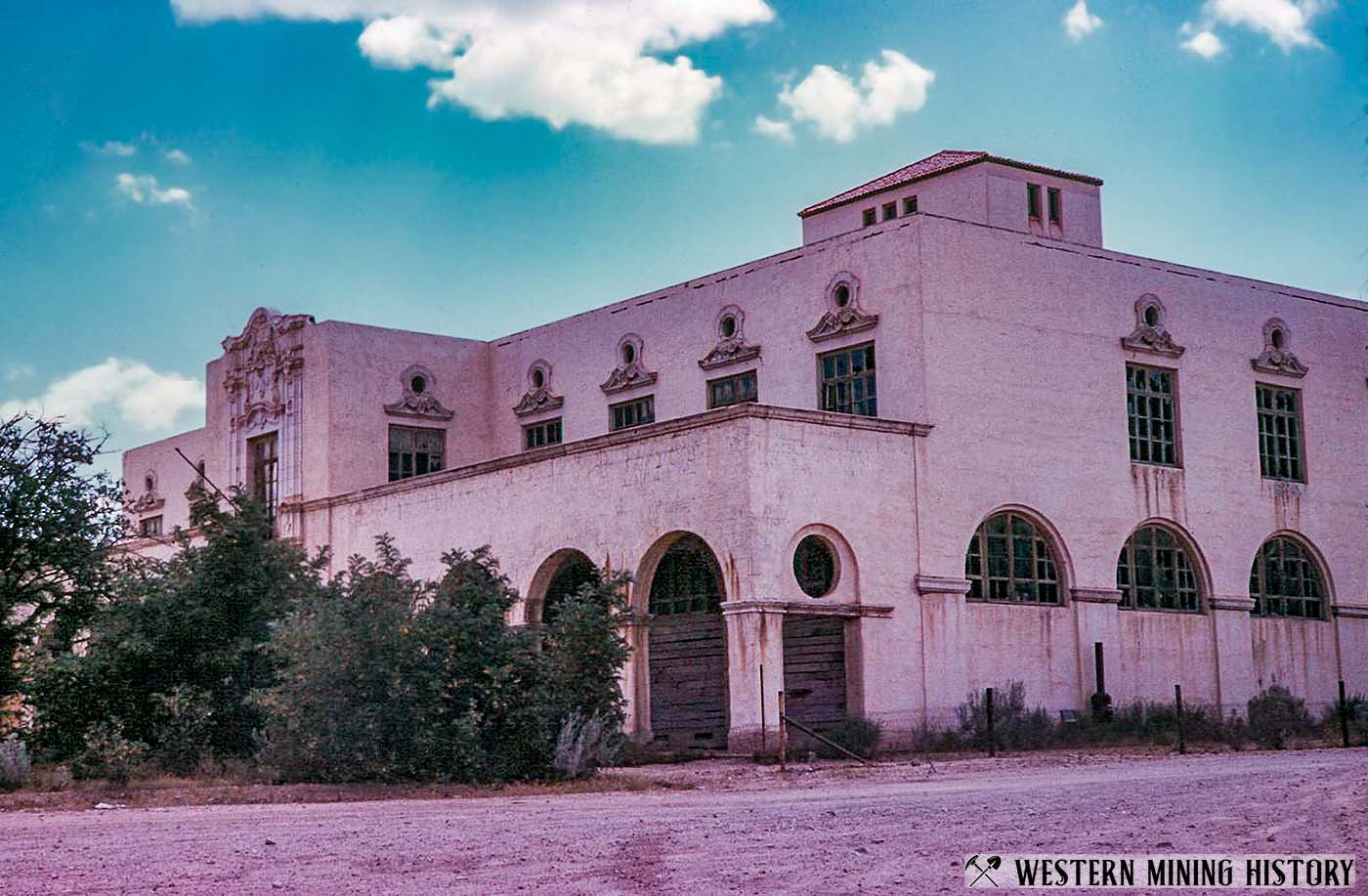
Rather than allowing another unplanned mining camp to develop, Phelps Dodge commissioned nationally recognized architect Bertram Goodhue to design an entirely new community. Construction began in 1914, and Tyrone became one of the most ambitious company towns ever built in the American West. Goodhue laid out the town around a central plaza surrounded by commercial buildings, with residential neighborhoods adjacent to the town center. The town included a railroad depot, department store, bank, school, church, hospital, parks, and a variety of housing styles.
Behind its attractive appearance, however, Tyrone served a broader corporate purpose. Phelps Dodge owned virtually every aspect of the community, including the land, houses, railroad, stores, and utilities. The company's Mercantile Store supplied nearly every necessity of daily life, while saloons and gambling halls were deliberately excluded in favor of company-sponsored recreation. Modern schools, parks, and an unusually well-equipped hospital reinforced the image of Tyrone as a progressive industrial community while allowing the company to exercise close control over daily life.
Phelps Dodge recruited much of its workforce from northern Mexico, where an abundant labor pool existed only a short distance from Tyrone. Unlike many western mining companies, Phelps Dodge provided permanent housing for Mexican workers, although these smaller homes were segregated from those occupied by American workers. Equipped with electricity and running water, the houses were considered among the best accommodations then available for Mexican miners in the Southwest. Company officials believed improved housing would encourage workers to settle permanently, reduce labor turnover, and discourage union activity.
Mining expanded rapidly during World War I as wartime demand for copper soared. By 1920, Tyrone had grown to approximately 4,000 residents, making it one of New Mexico's largest communities. Construction of Goodhue's original plan was never fully completed because wartime shortages delayed many projects. Nevertheless, the town attracted national attention as a model industrial community and became a centerpiece of Phelps Dodge's public relations efforts. While many observers praised its appearance and amenities, others criticized the degree of company control over housing, commerce, and civic life, describing Tyrone as an example of industrial paternalism.
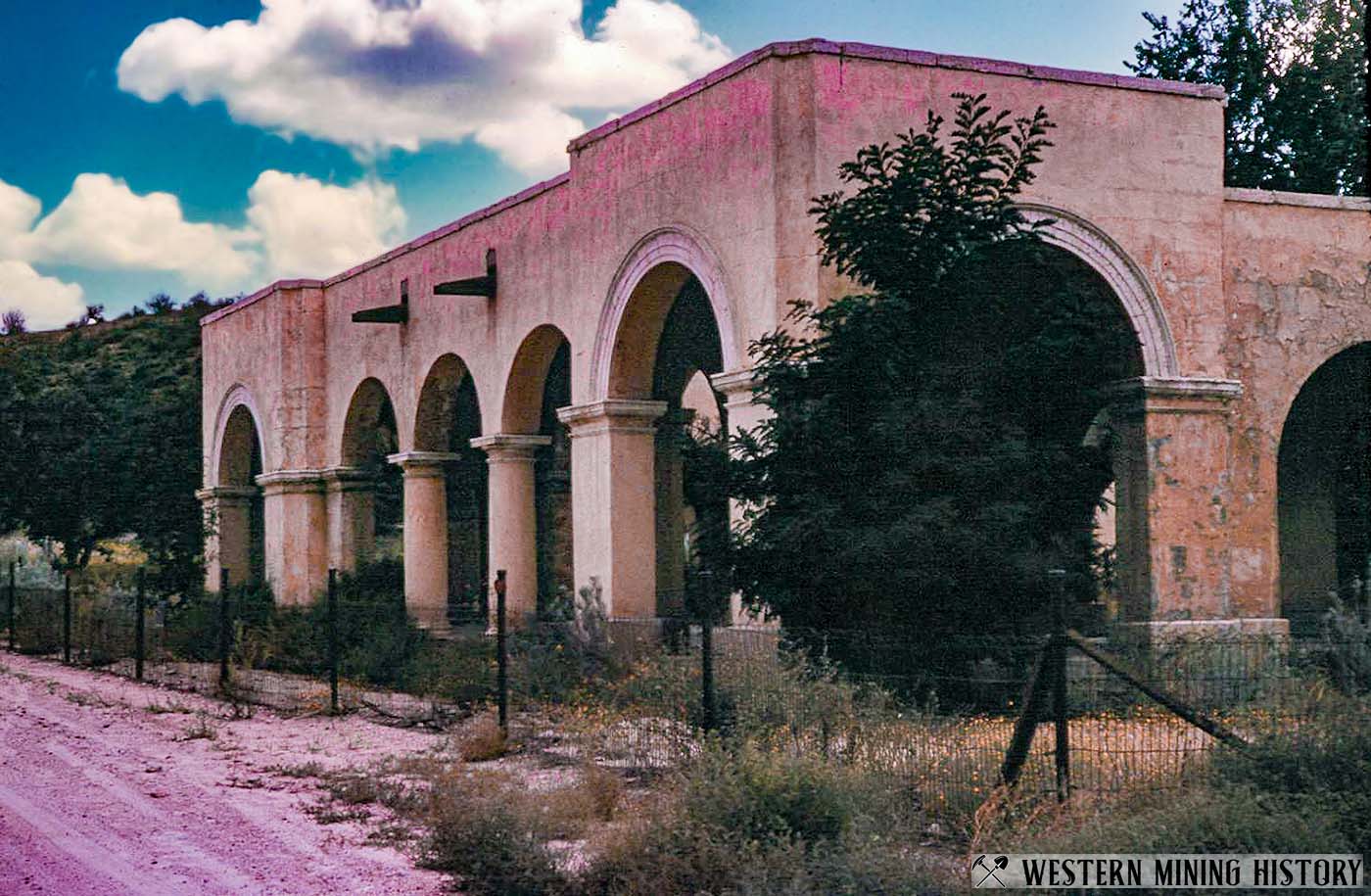
Tyrone enjoyed only a brief period of prosperity. Following the collapse of copper prices after World War I, Phelps Dodge suspended operations in 1921, and much of the town's population departed almost immediately. Special trains carried many Mexican workers back to El Paso, while other residents sought employment elsewhere. The carefully planned community, built at a cost of more than $1 million, was largely abandoned less than a decade after construction began.
The district entered a new phase when Phelps Dodge began developing the enormous Tyrone open pit in 1967, replacing underground mining with surface operations capable of extracting vast quantities of lower-grade ore. A new town was built several miles away from the original Tyrone townsite, which was completely consumed by the growing pit.
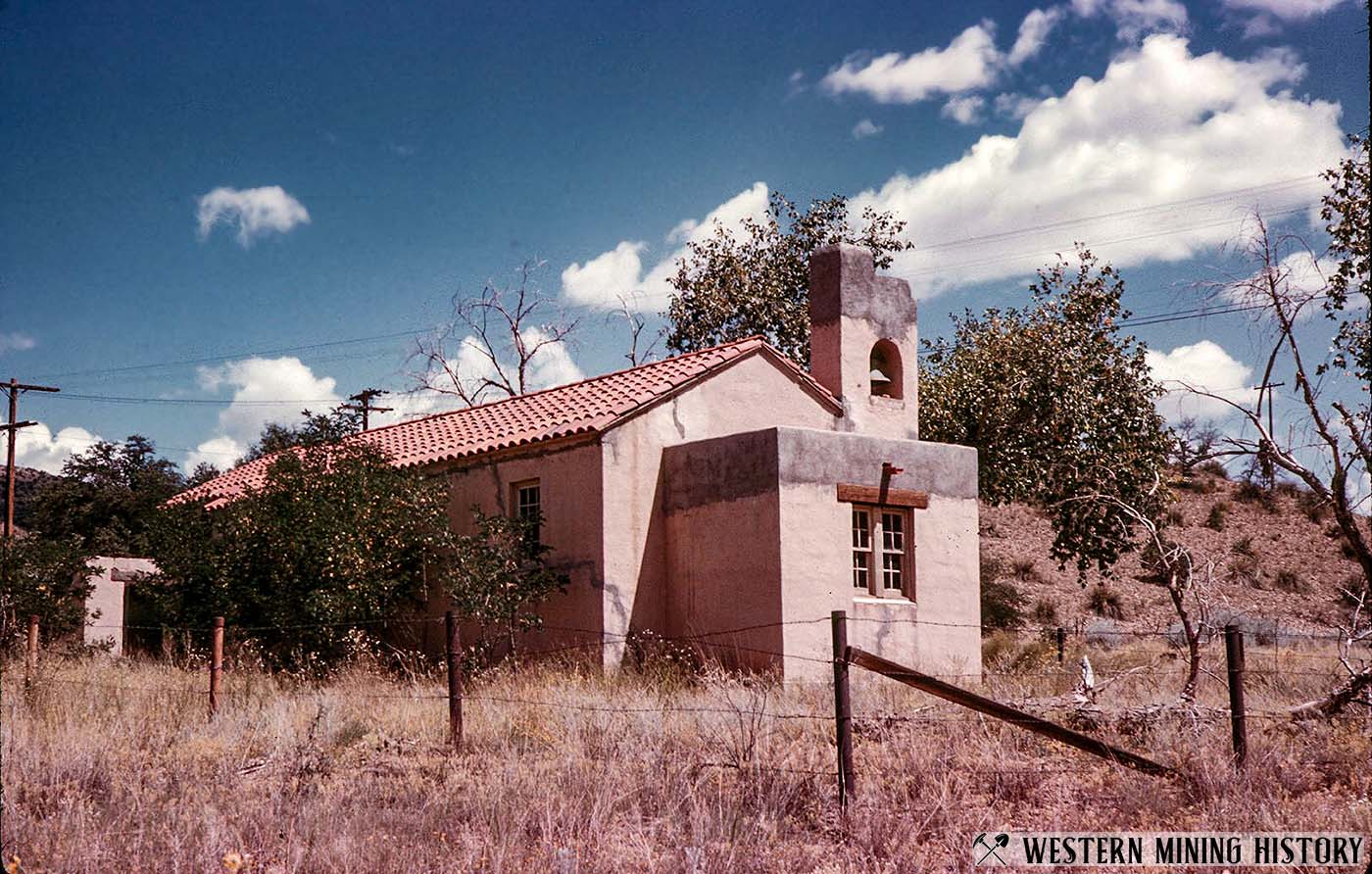
Open-pit mining continues at Tyrone today. About 700 people live in the community, most occupying homes constructed by Phelps Dodge during the town's relocation between 1968 and 1972.