Death Valley’s Lost Burro Mine
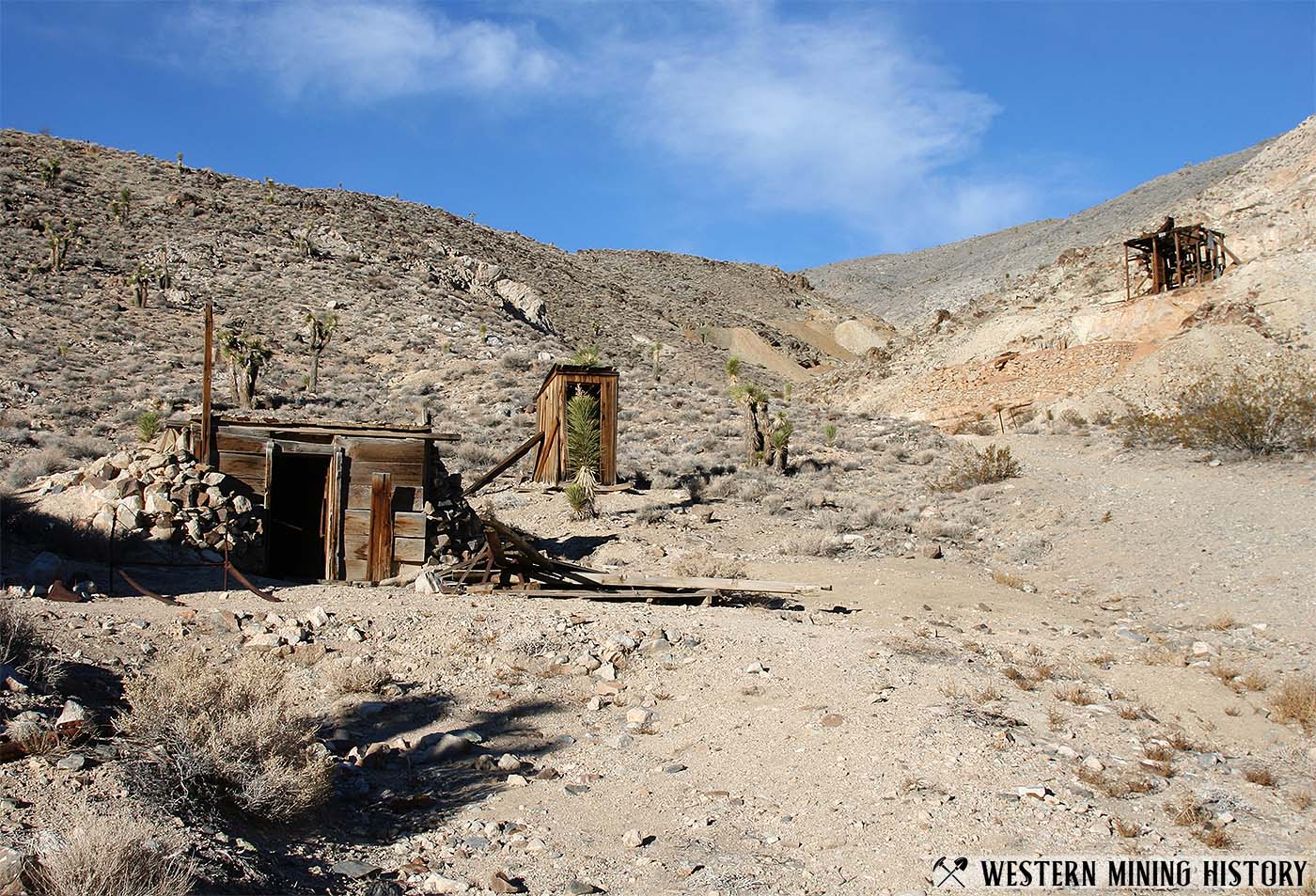
The Lost Burro Mine is located in Inyo County California, within the boundaries of Death Valley National Park. The mine was discovered in 1907 and was worked intermittently by several owners until the 1970s.
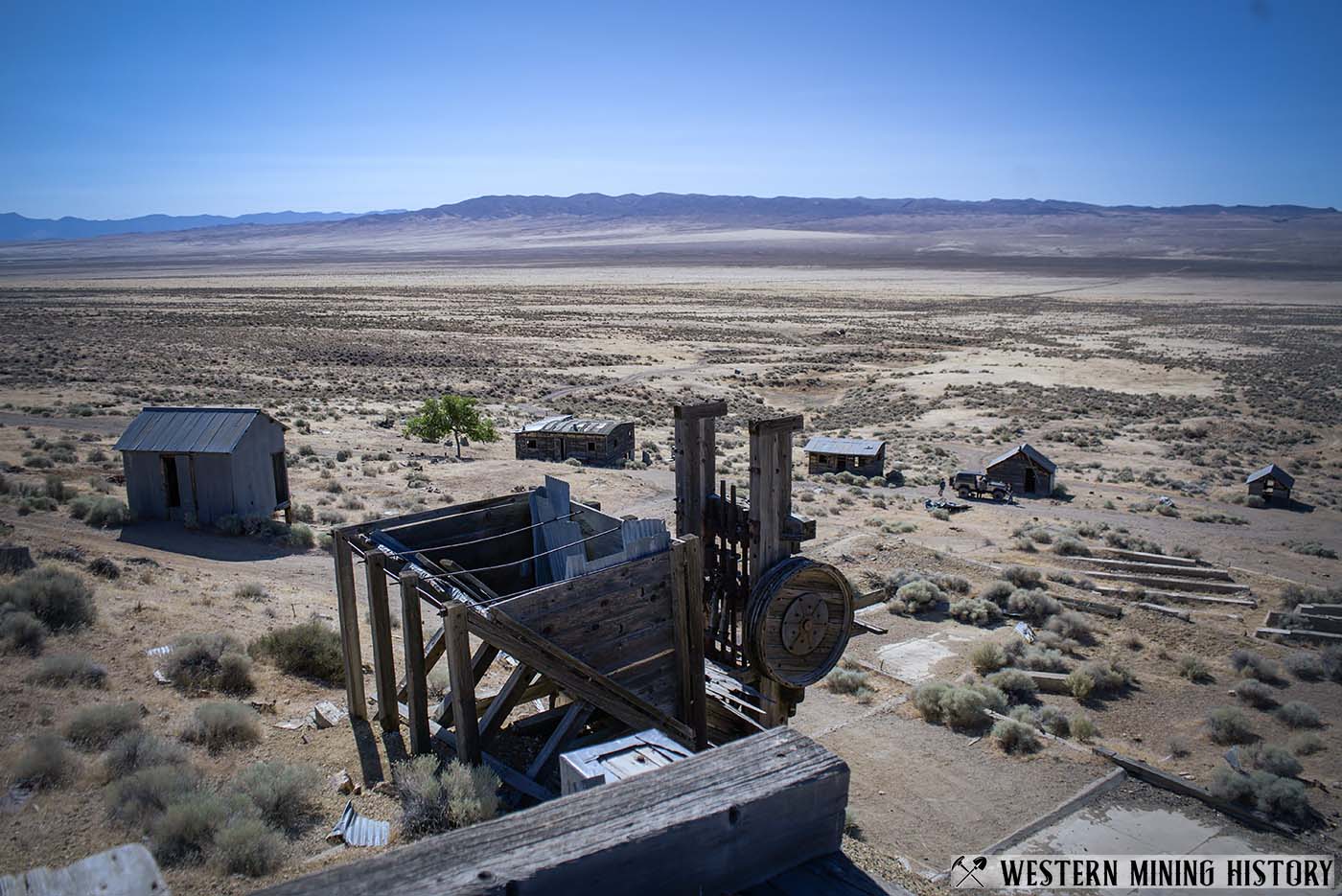
Seven Troughs was a well-known Nevada gold mining district that saw its most productive years from 1907 to 1917. By the 1920s the district was largely idle, until an ambitious tunnel project was proposed to make mining economical once more and revive the district. This is the story of the “Long Tunnel” at what is now known as the Tunnel Camp site.
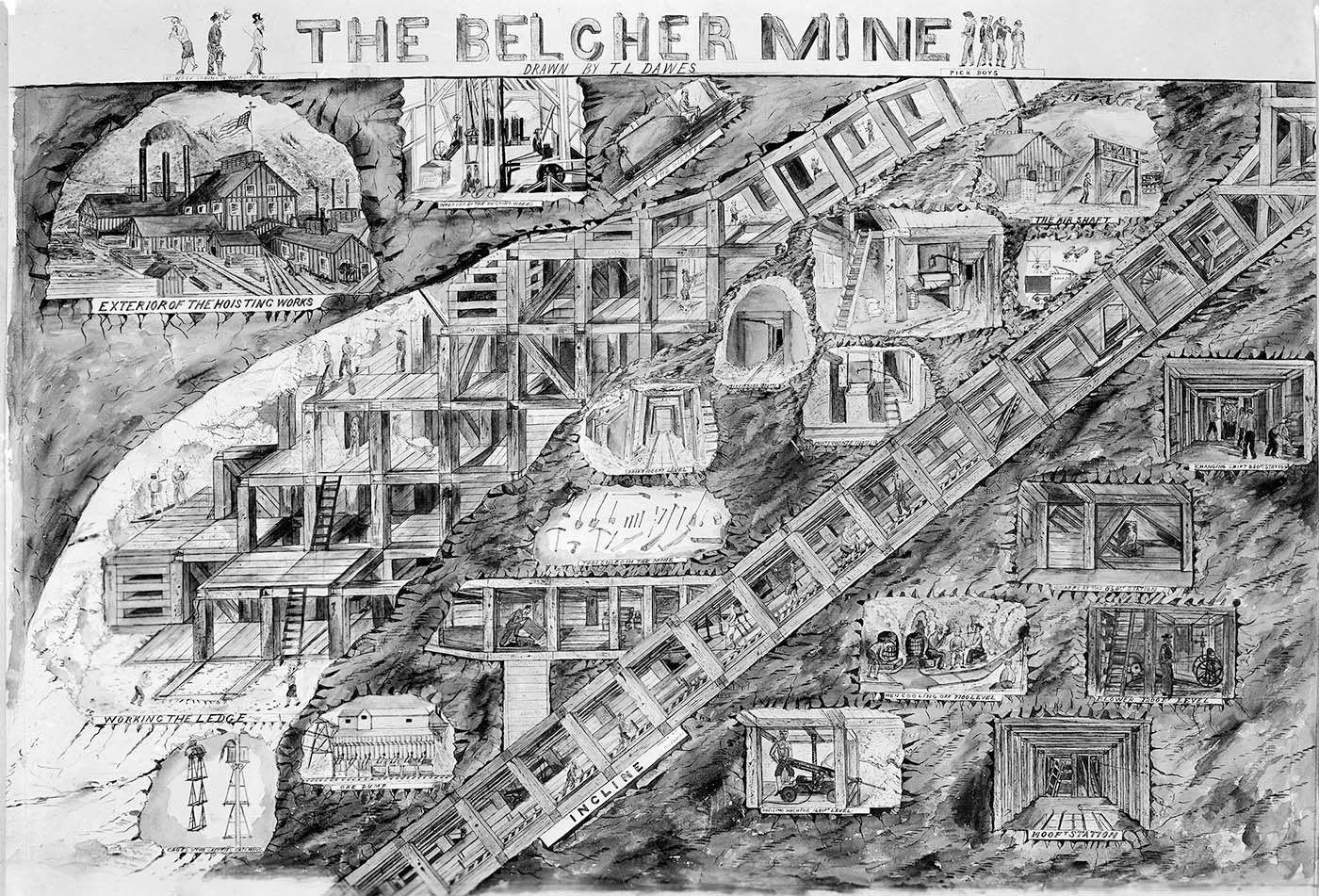
Using the fascinating ca. 1876 illustration of the Belcher mine workings by T. L. Dawes, this article examines some of the mining methods employed in the mines of Nevada’s Comstock Lode.
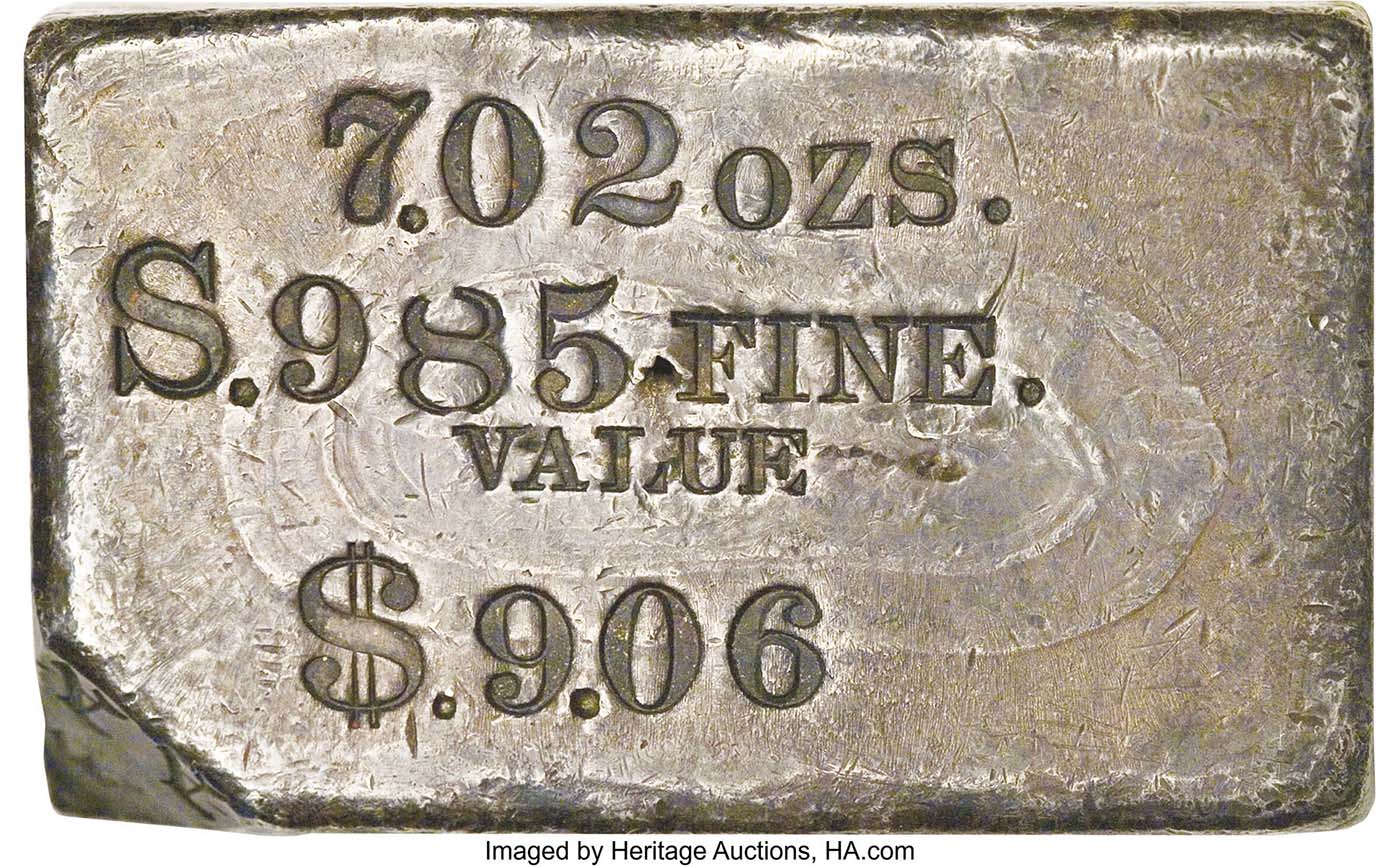
The ingots produced by the mines of the West’s great silver districts are some of the only remaining artifacts from from a bygone era of Western mining. As some of the few surviving artifacts from these camps, they are now prized by collectors. This article takes a look at silver ingots that have sold at auction over the last couple decades.
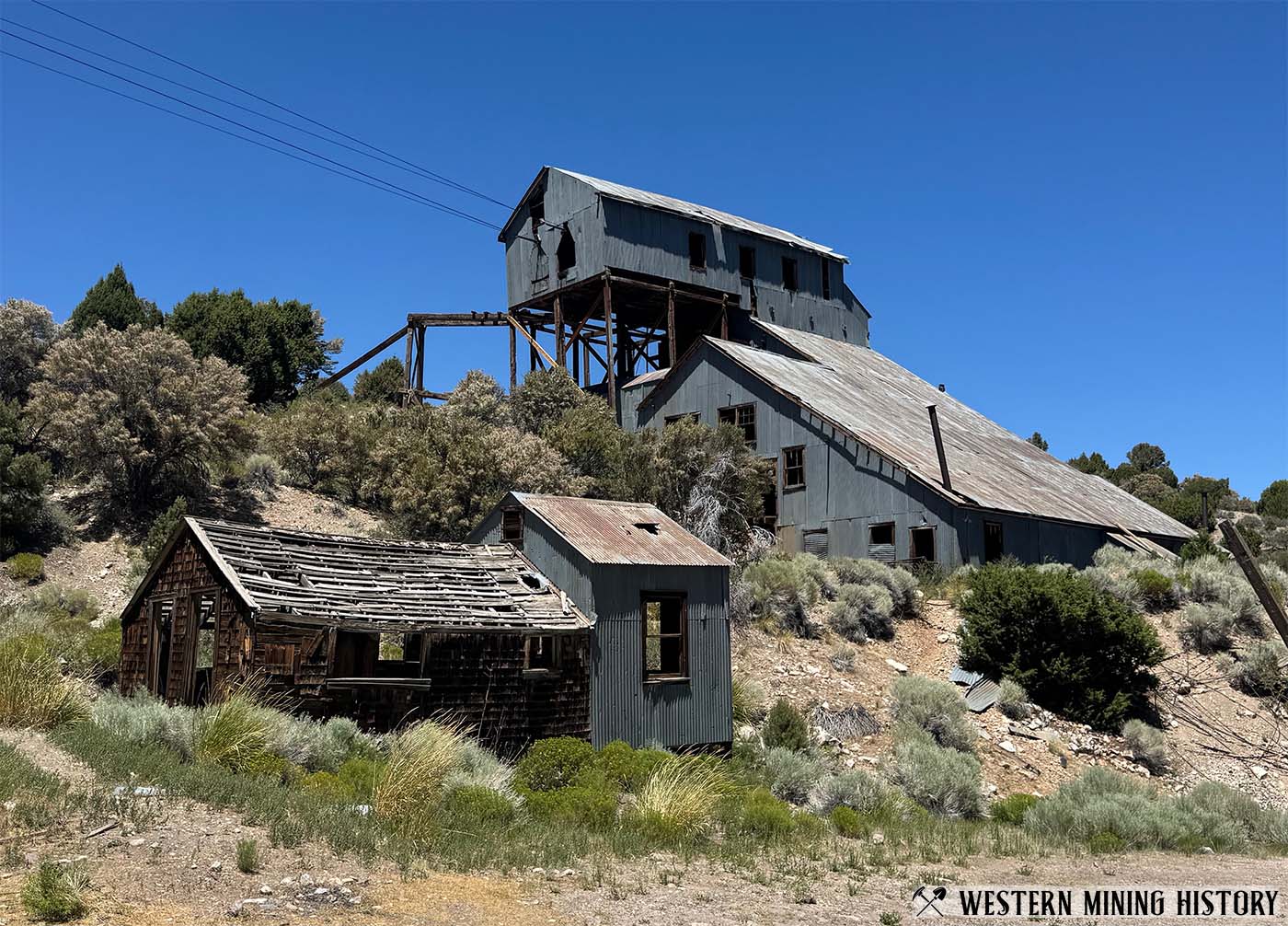
What is now known as the Belmont mine was previously referred to as the Nevada Belmont and was operated by the Tonopah-Belmont Exploration Company. The mine was a lead producer, and only recorded production in 1926.
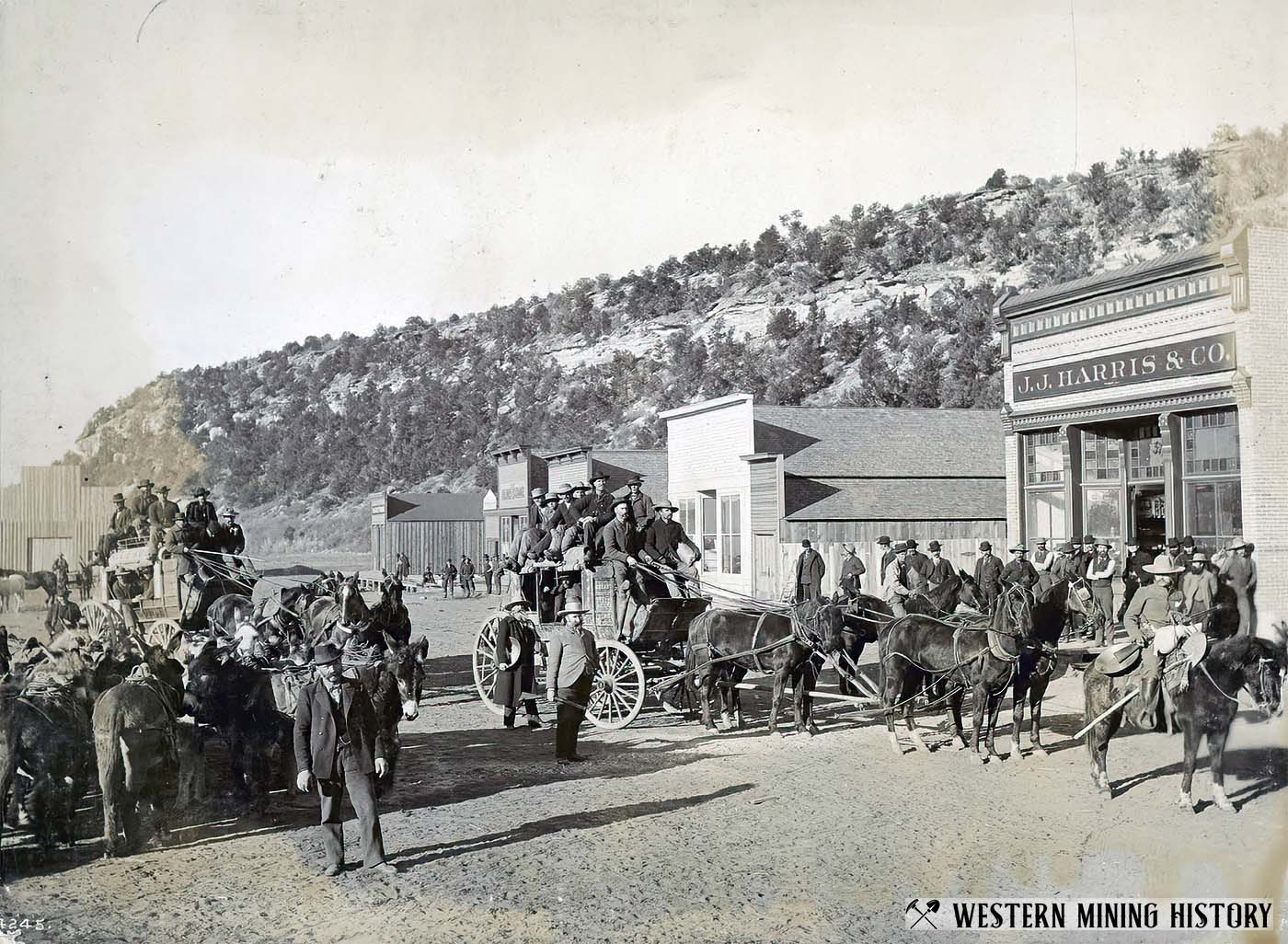
Stagecoach travel in Colorado was particularly daring, as the narrow roads were often cut into mountainsides, with high passes, hastily built bridges spanning deep ravines, and steep drop-offs only a few feet away.
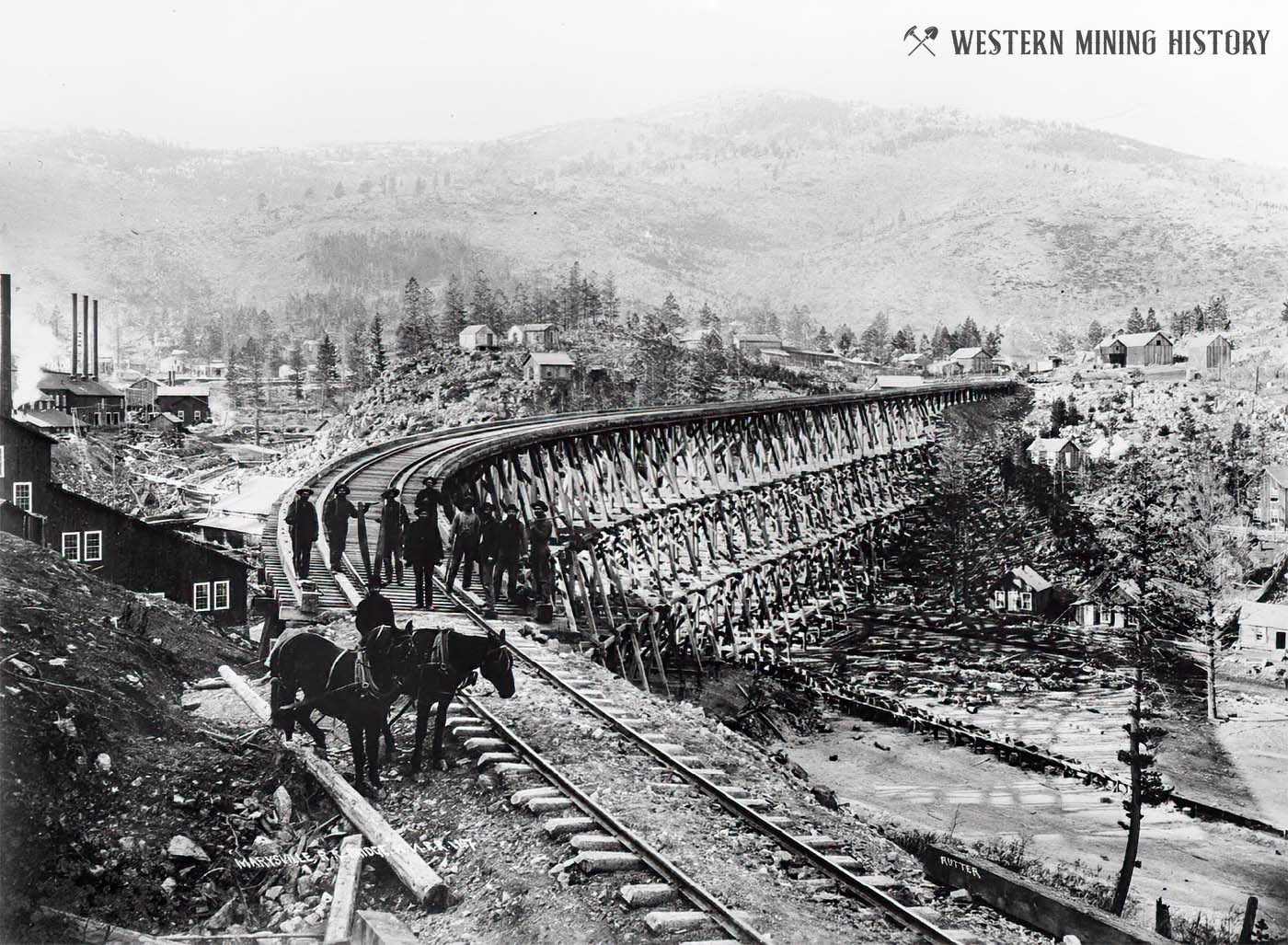
This member’s only photo compilation contains over 100 of the best historical photos from the mining regions of the West.
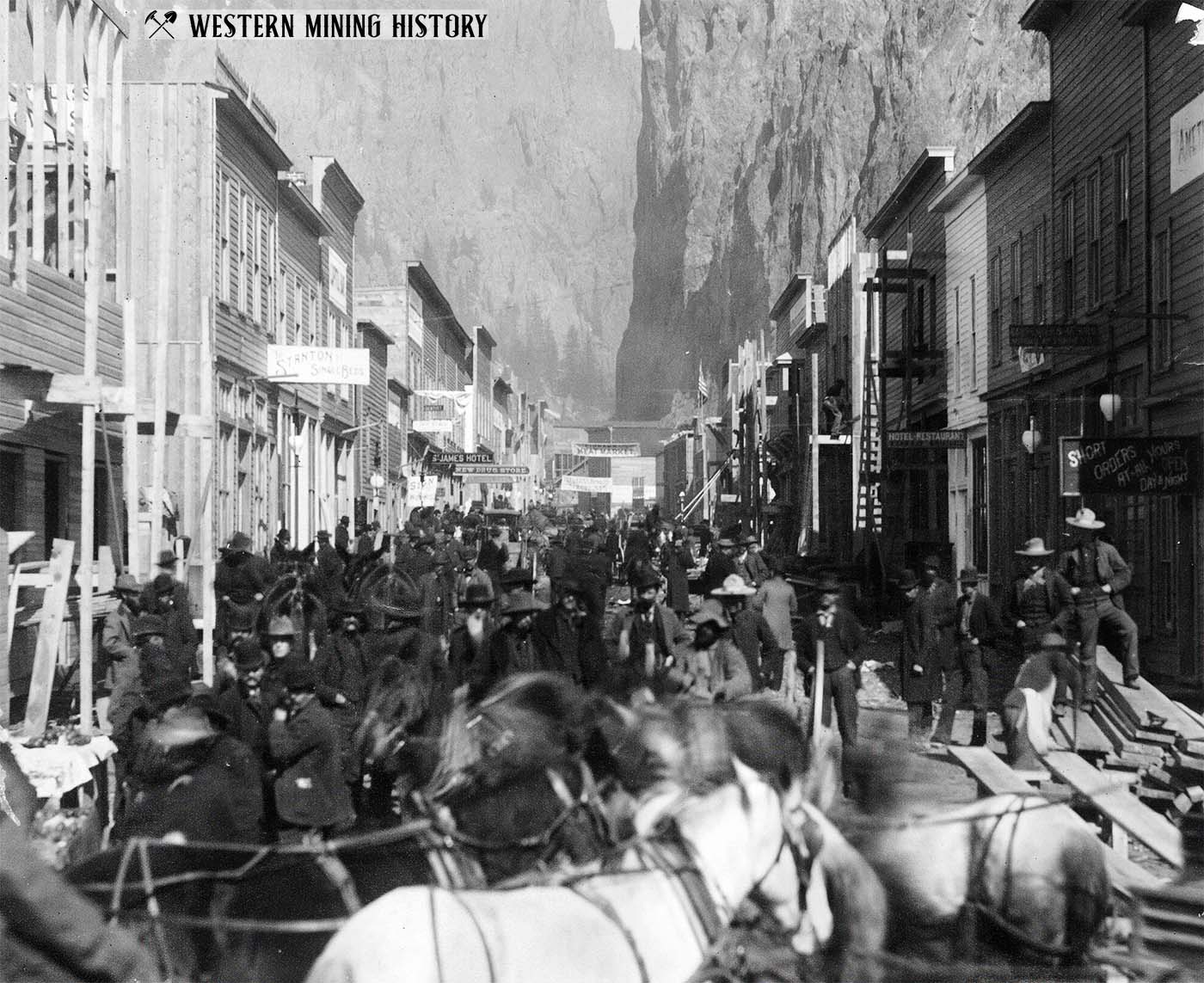
The great silver boom at Creede, Colorado began in 1891. The railroad was offering regular passenger service to Creede by the end of that year, setting the stage for a huge influx of people by 1892. Also arriving in the area by train were journalists and photographers from around the nation, making this one of the best documented boom towns in the West.
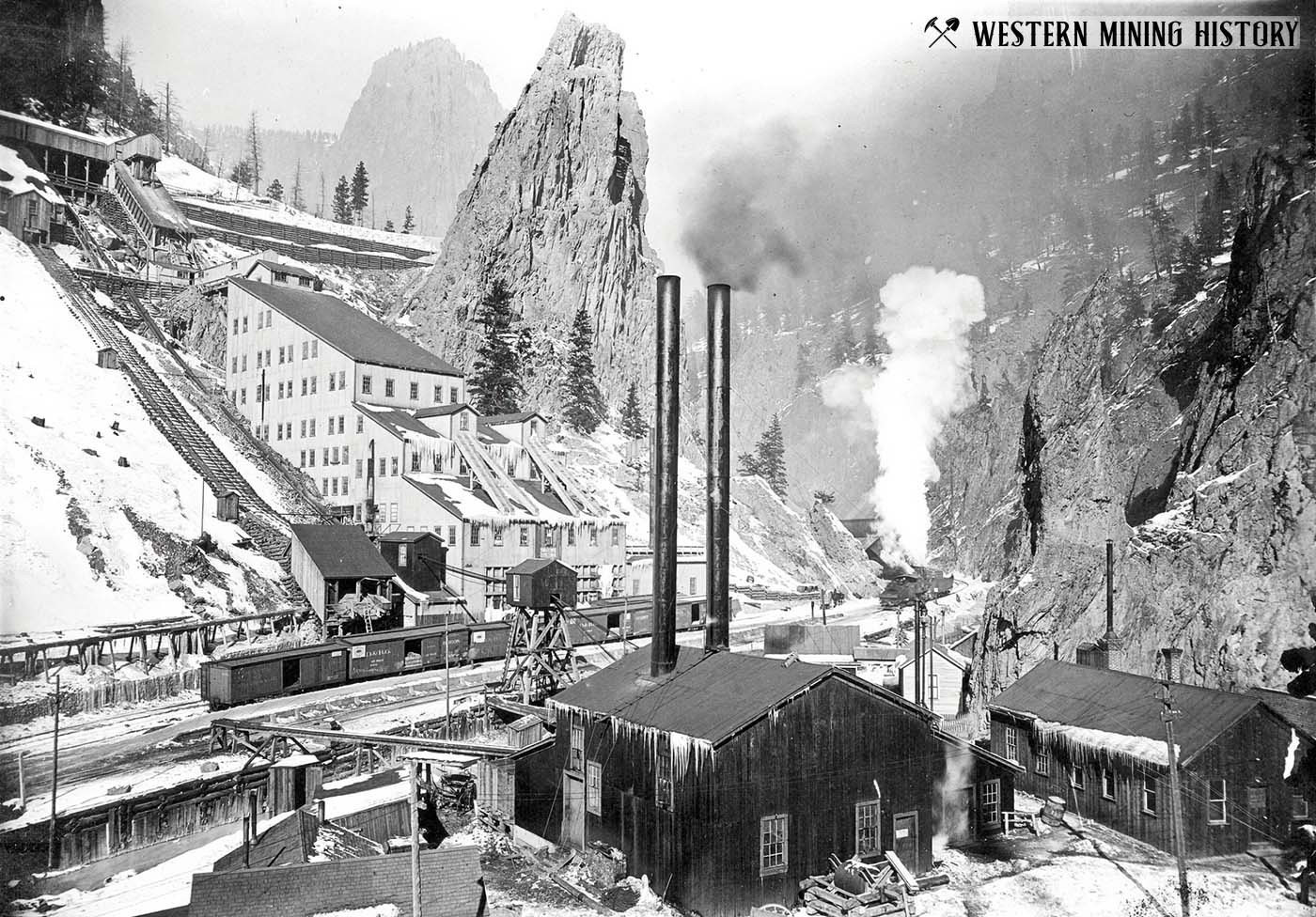
Located just north of Creede, Colorado, the remains of the Humphreys Mill mark the site of a significant industrial facility that operated from 1902 to 1918. Primarily processing silver, lead, and zinc ores, the mill played an important role in Creede’s mining economy during the early 20th century.
It is often overlooked that the events surrounding “Gunfight at the OK Corral” occurred during one of the most important silver mining excitements in United States history, and many of the region’s mining camps and towns played a part in the events that unfolded.