lockedFourth of July Mine – Boulder County, Colorado

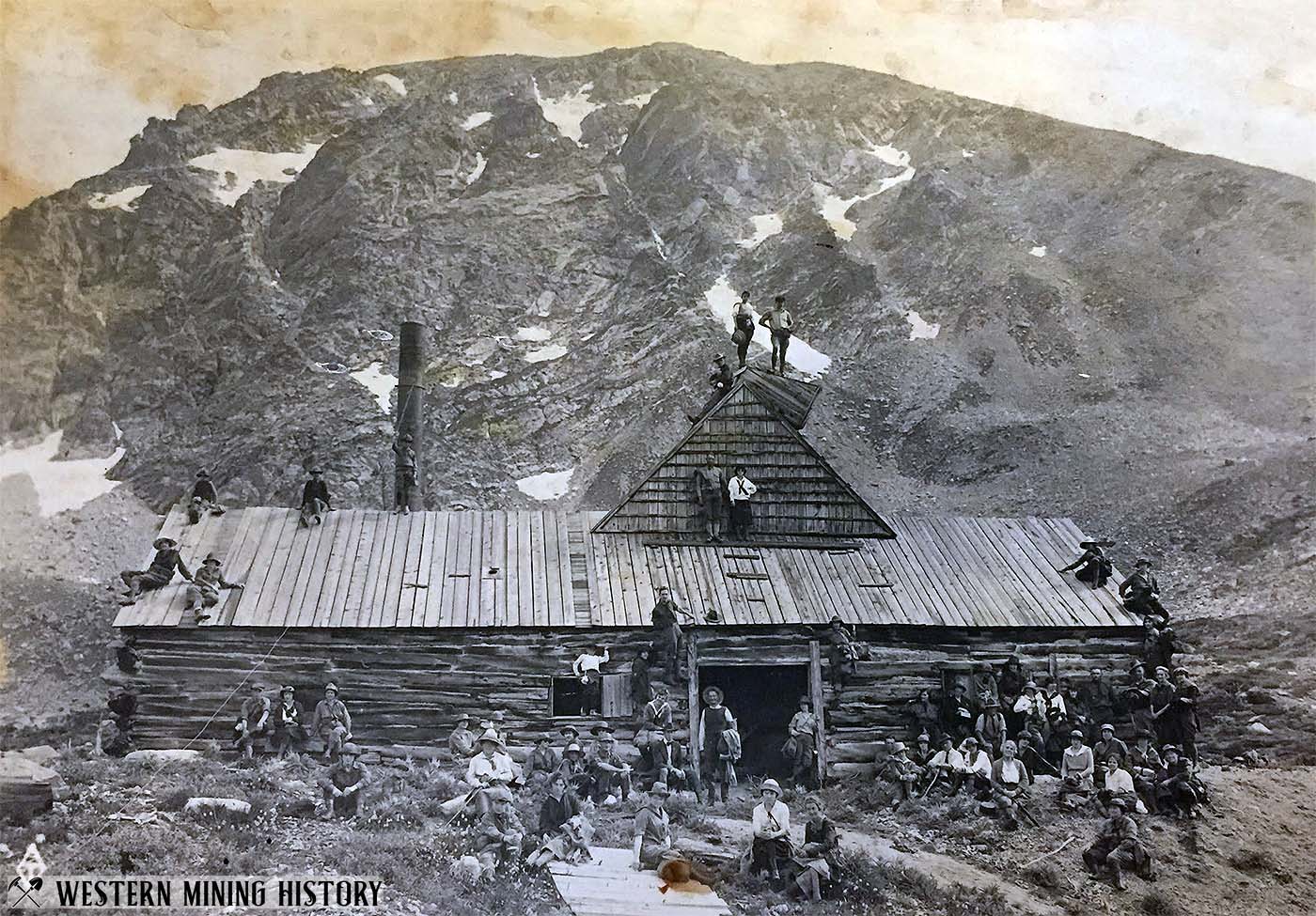
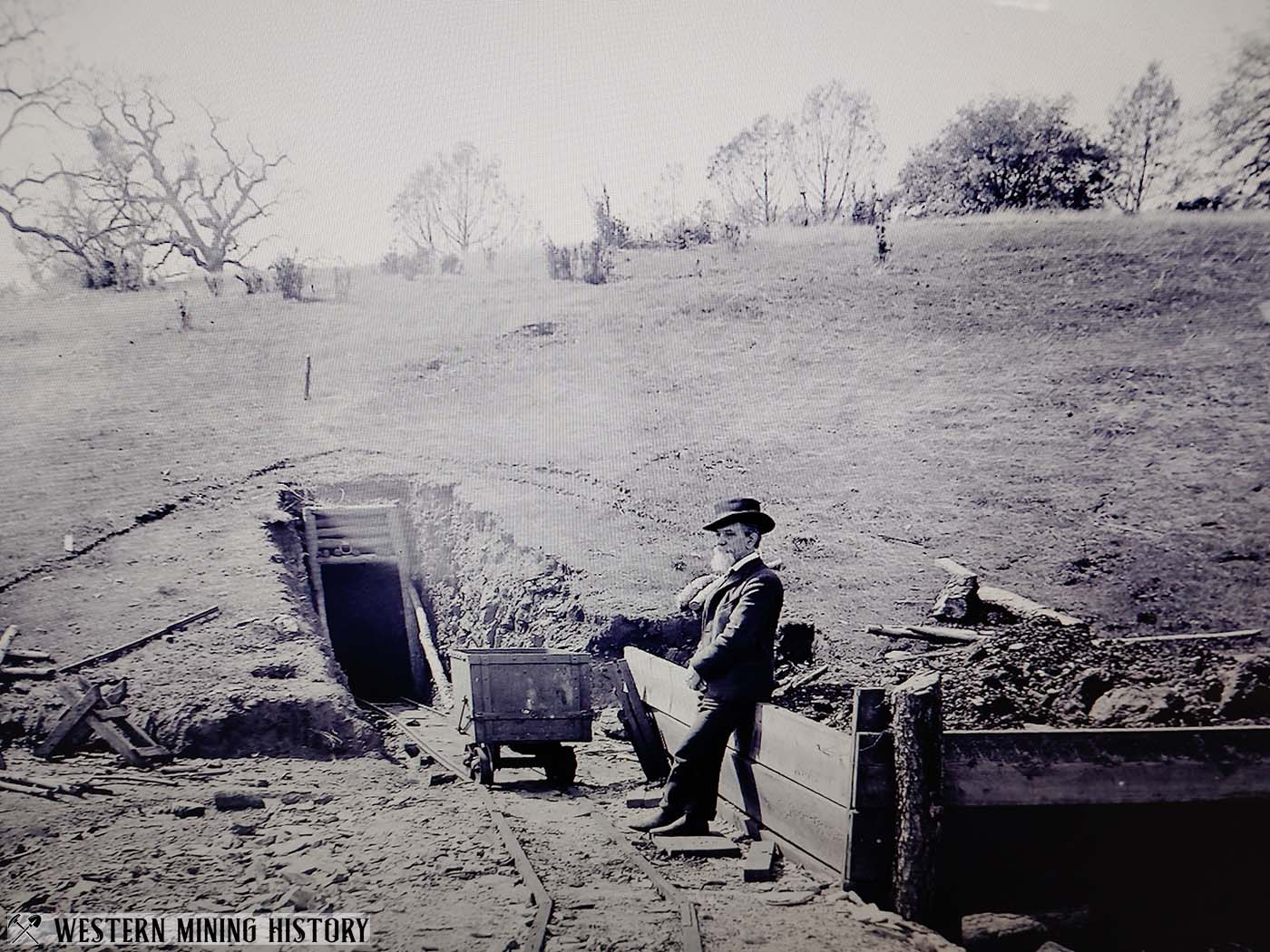
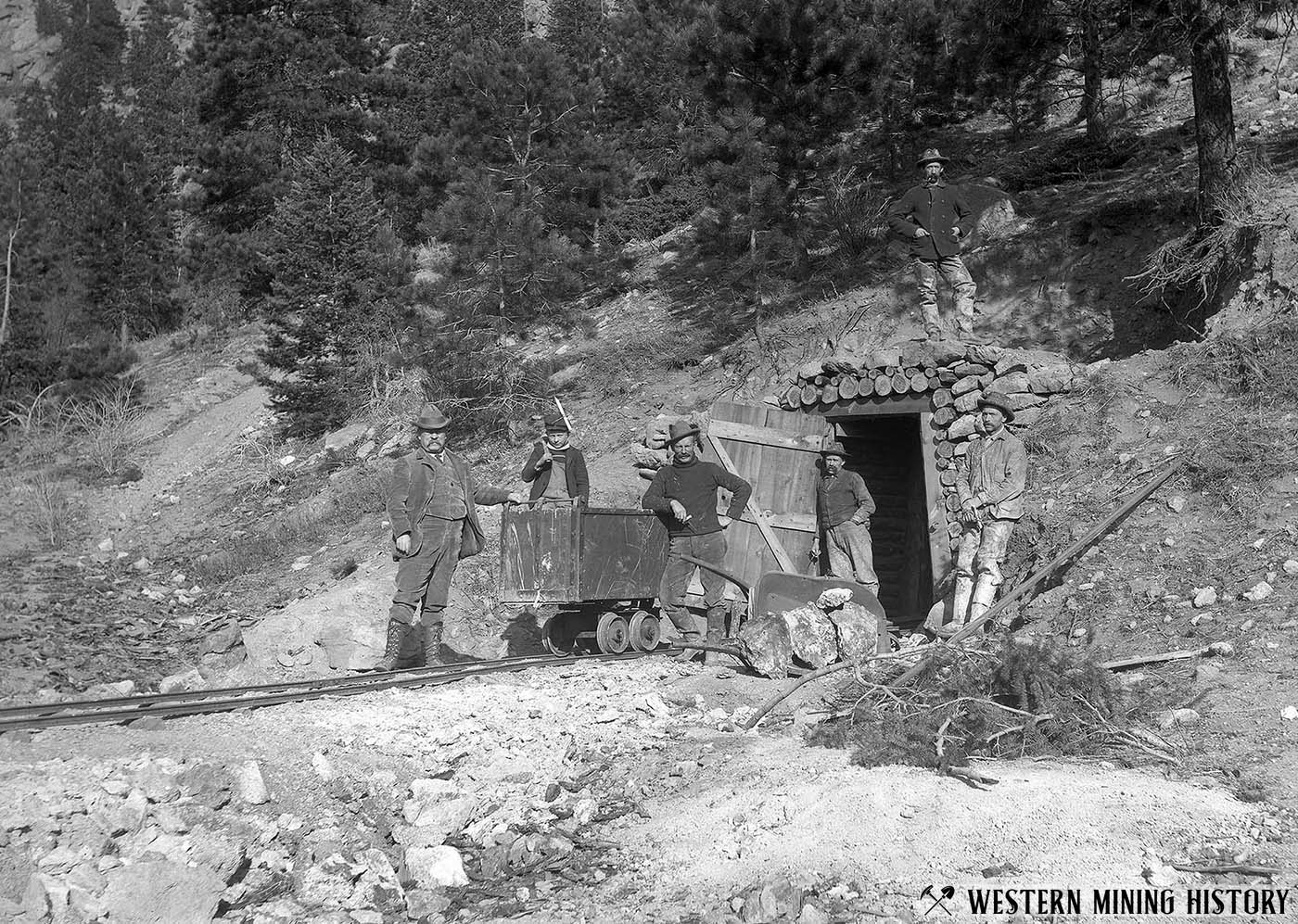
The Fourth of July Mine was an ambitious mining venture that never lived up to the expectations of its owners and investors. Located high in the mountains west of Boulder, the property attracted repeated investment over more than six decades and was developed with a deep shaft and a tunnel nearly 2,000 feet long. Yet for all this effort, recorded production amounted to only 115 tons of ore.

lockedThe Ikeda Mine: A Japanese Mining Venture in British Columbia

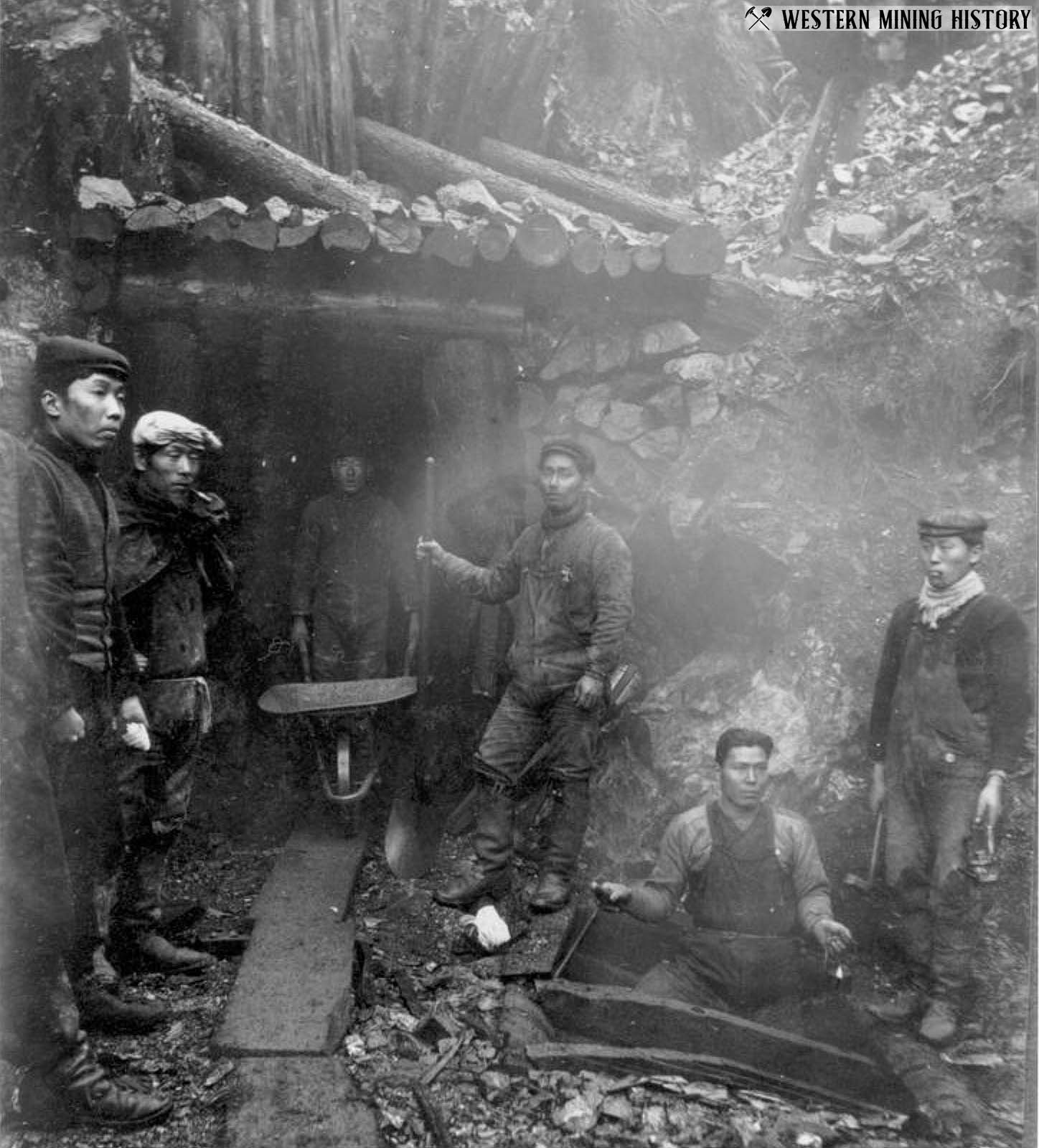
The Ikeda Mine was one of the most unusual early mining ventures on the coast of British Columbia. Located on the southeastern shore of Moresby Island (now part of Haida Gwaii), it was developed by Japanese entrepreneurs at a time when nearly all of British Columbia’s mining industry was controlled by British, Canadian, or American interests.

lockedThe Lot Jumpers of Goldfield, Nevada

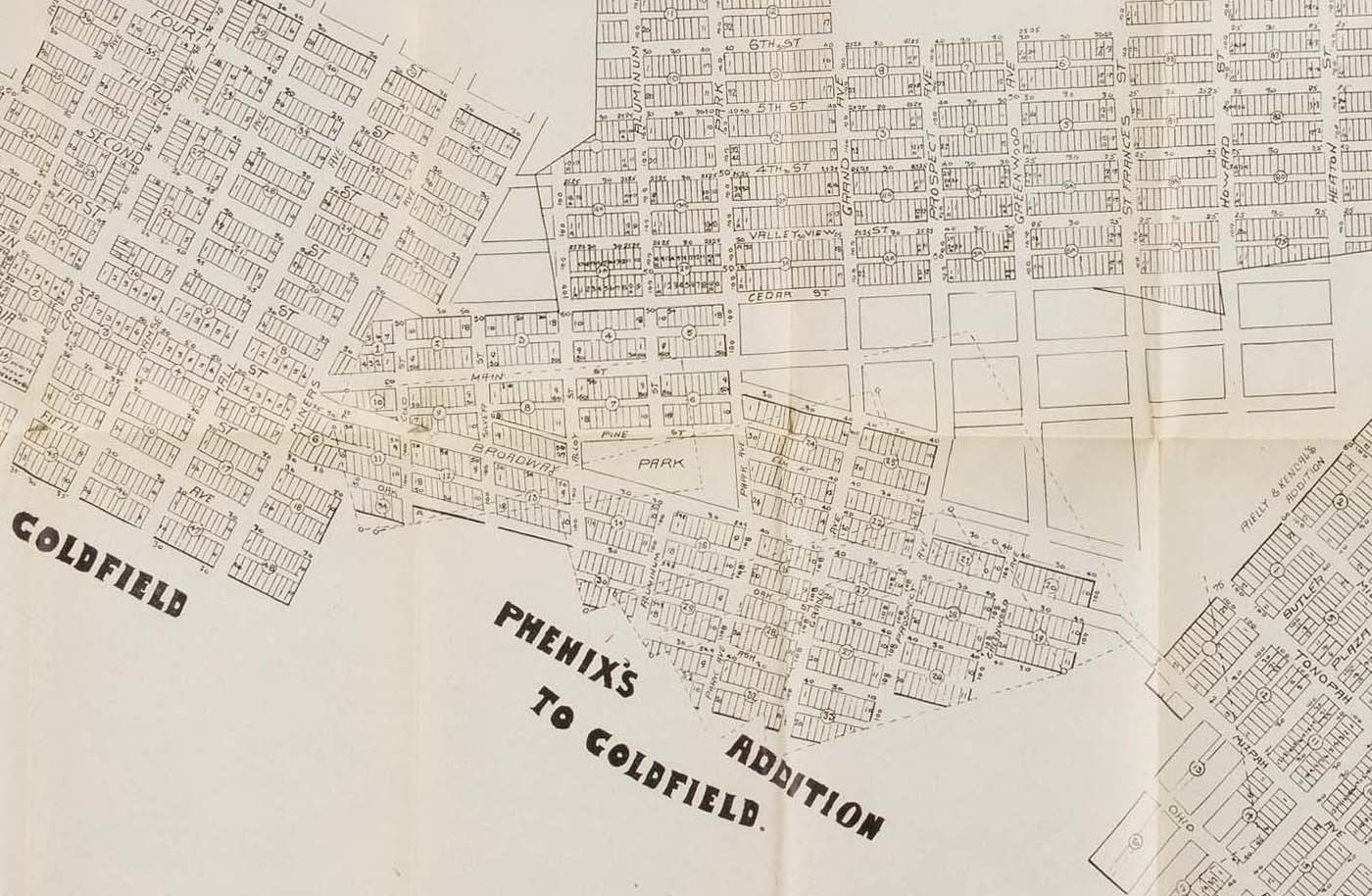
Although claim jumping is often associated with Western mining districts, another form of land speculation was also common: town lot jumping. In booming mining camps, town lots could be extraordinarily valuable, placing them beyond the reach of many newcomers. To secure housing, or in some cases simply to seize something of value, squatters occupied land belonging to mining companies, townsite developers, and even lots that had already been legally sold to private individuals.

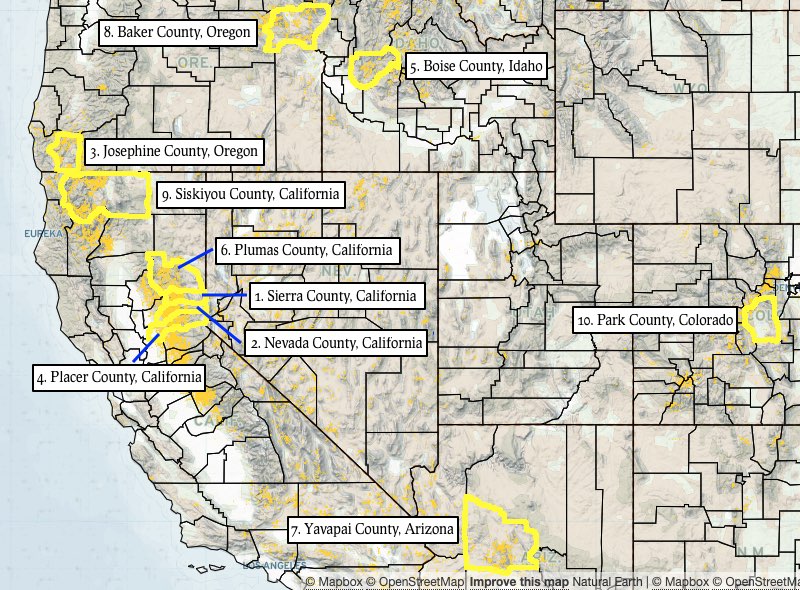
Where To Find Gold: The Top Ten US Counties

Evaluating the top counties for their potential for gold discovery can be done by examining several important factors, including historical production, modern mining activity, availability of water, and whether land is open to prospecting. One effective way to consider all of these factors at once is to follow the footsteps of modern experts in the field, the miners and prospectors who are already finding gold.

lockedThe Farwell Ditch

This little-known history of the Farwell Ditch in the Hahn’s Peak Mining District (located approximately thirty miles north of Steamboat Springs, Colorado) was provided by author Nolan Farwell, a distant relative of John V. Farwell, for whom the ditch was named.