Anyox History
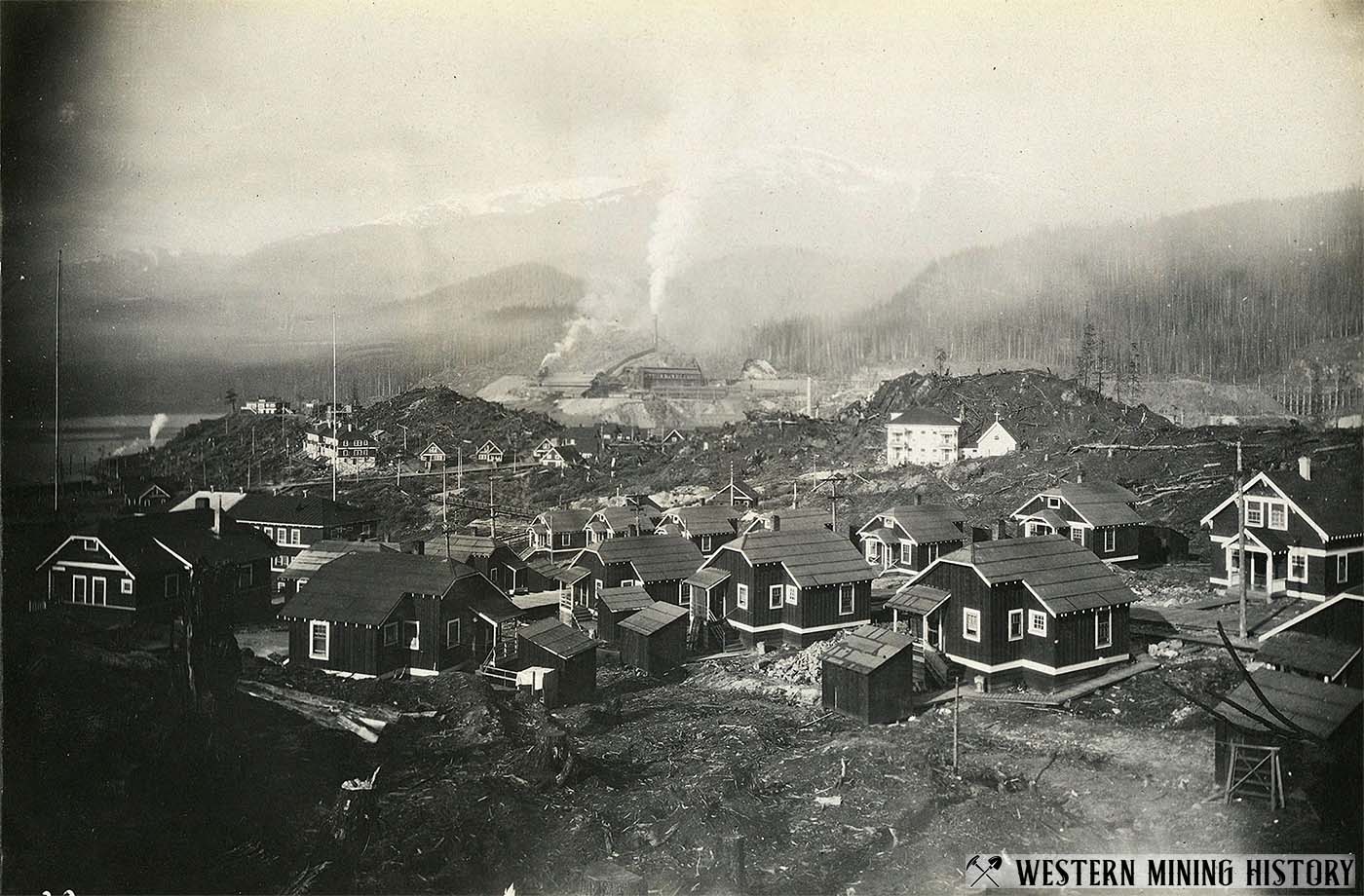
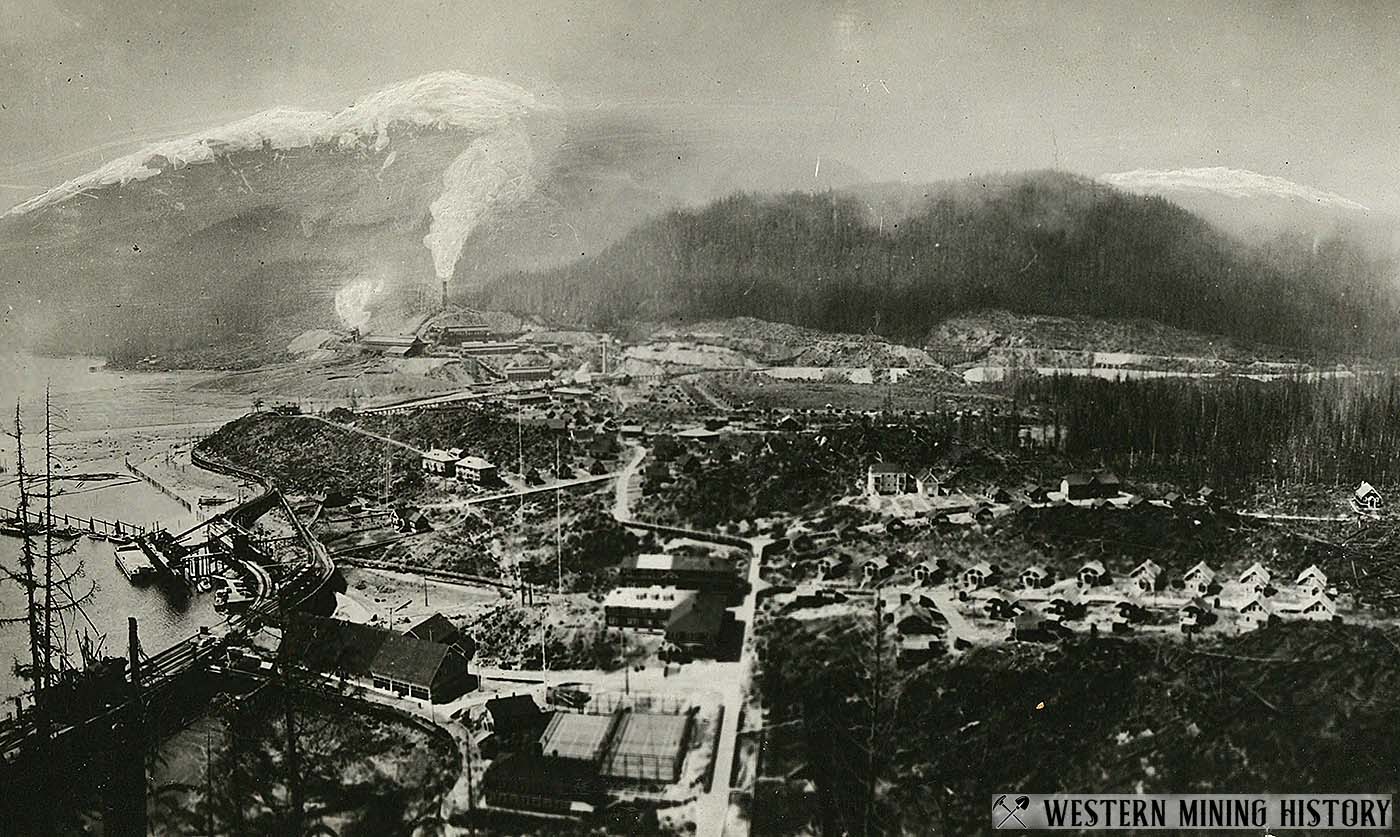
Anyox was a remote company town operated by the Granby Consolidated Mining, Smelting and Power Company, which produced primarily copper, with lesser quantities of silver and gold, from 1914 to 1935. Situated roughly 600 miles (1,000 km) north of Vancouver and accessible only by sea, the construction of a large industrial complex and a community of approximately 2,500 residents represented a significant logistical and engineering achievement.
Discovery and Early Development
The origins of Anyox trace back to 1889, when John Flewin, a government mining recorder, discovered copper-bearing float in what is now Granby Bay, suggesting nearby mineralization. Although an initial search failed to locate its source, Flewin returned in 1900 and identified a significant deposit at Bonanza Creek, followed soon after by the richer Hidden Creek orebodies.
Early interest from investors connected to Marcus Daly—a leading figure in the copper industry at Butte, Montana—led to preliminary development, but financial setbacks delayed progress until 1905, when the Hidden Creek Copper Company was formed. Continued exploration demonstrated the scale of the deposit, attracting the Granby Consolidated Mining, Smelting and Power Company, which acquired a controlling interest by 1910 as it sought to replace declining reserves elsewhere.
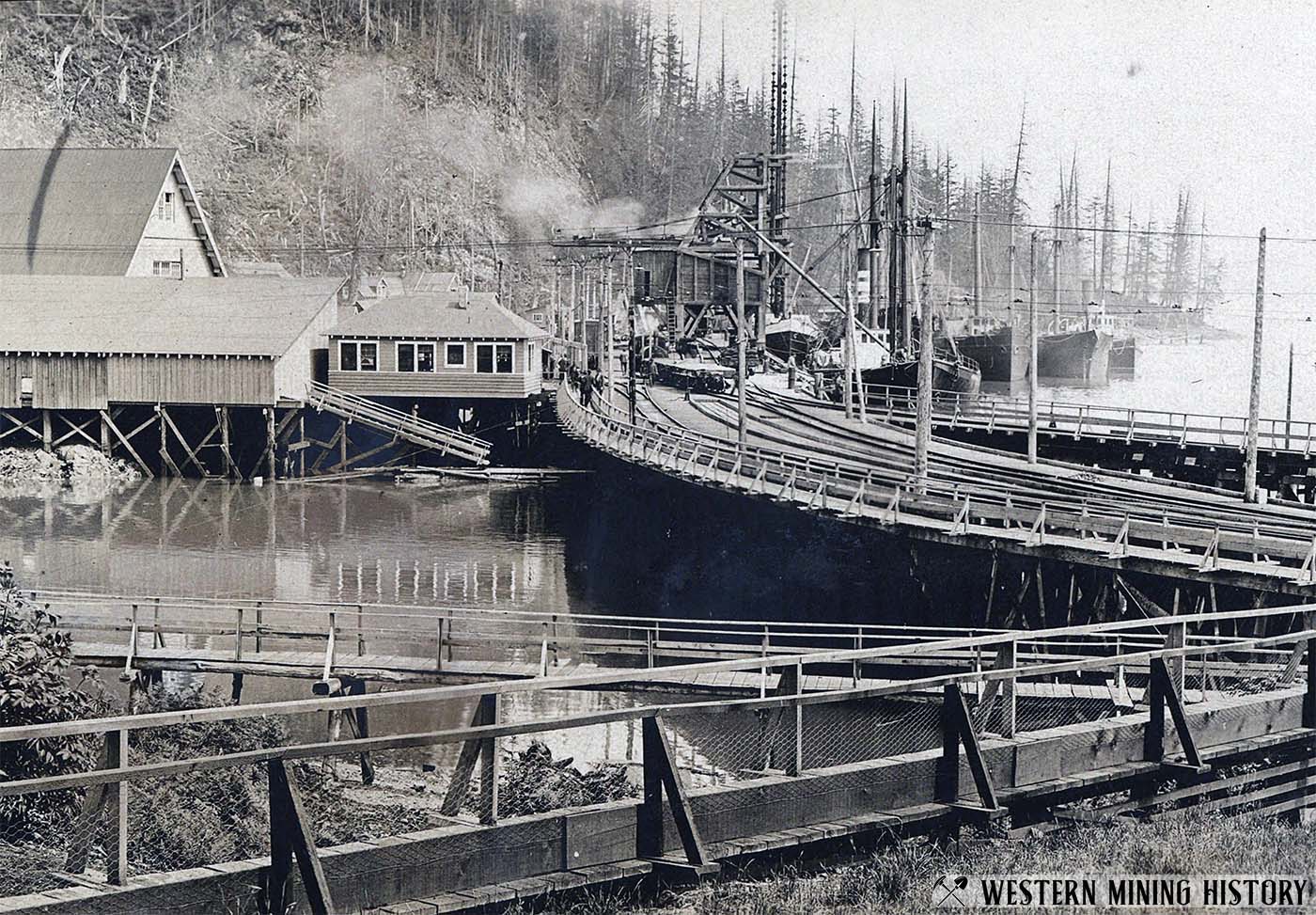
Granby established the townsite in 1911 and rapidly developed a fully integrated mining and industrial complex. Extensive tunneling and diamond drilling outlined the ore bodies, while construction proceeded on the mine, concentrator, smelter, and power system. A key feature of the early development was the construction of a broad wooden dock, approximately 50 feet wide and 1,300 feet long, that wrapped around the waterfront and served as the logistical hub of the operation, linking the isolated community to coastal shipping routes and accommodating multiple ocean-going vessels.
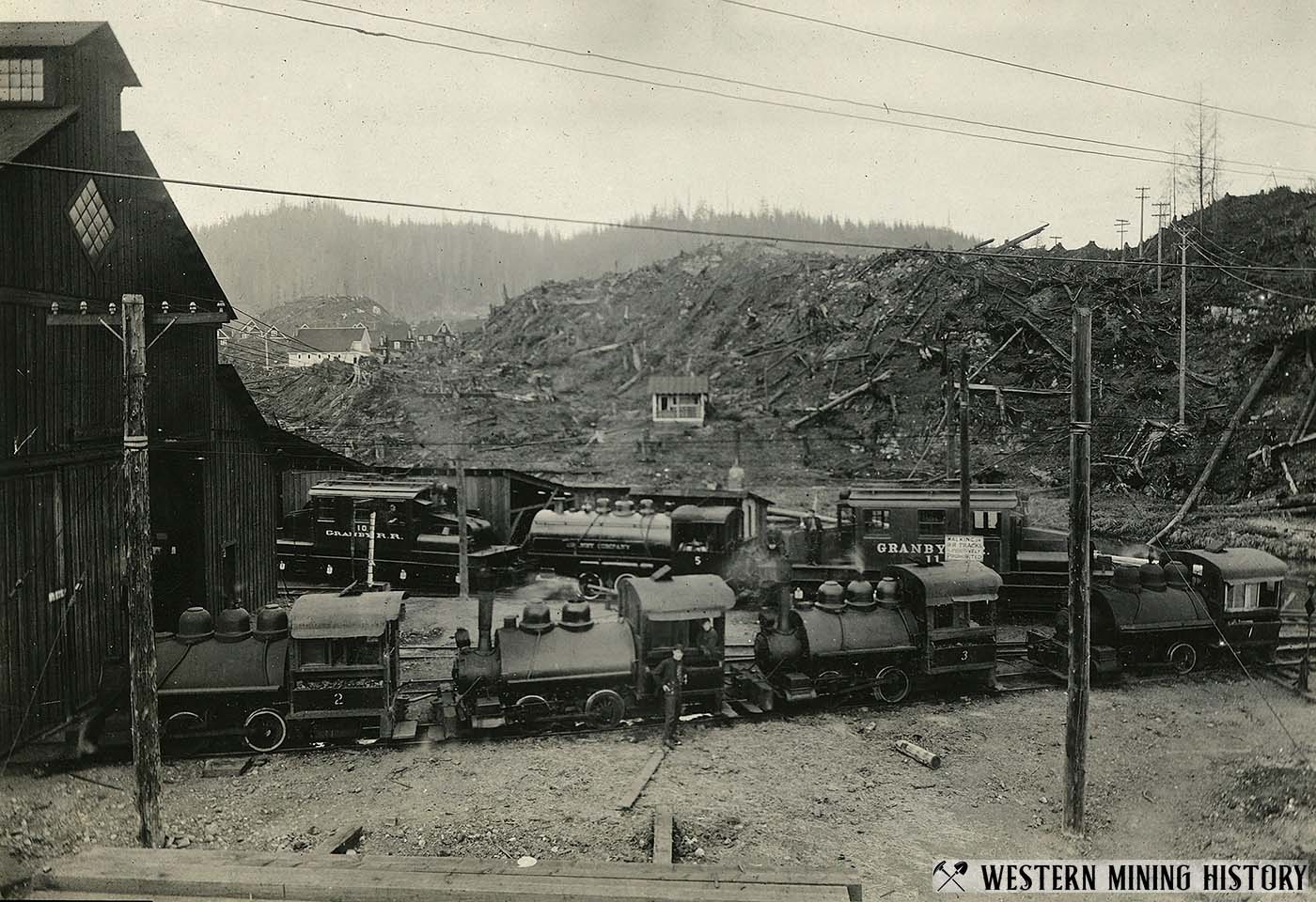
The mine and waterfront facilities were connected by a short but heavily used railway, where steam and electric locomotives hauled thousands of tons of ore daily in dozens of cars from the mine to the concentrator near the docks.
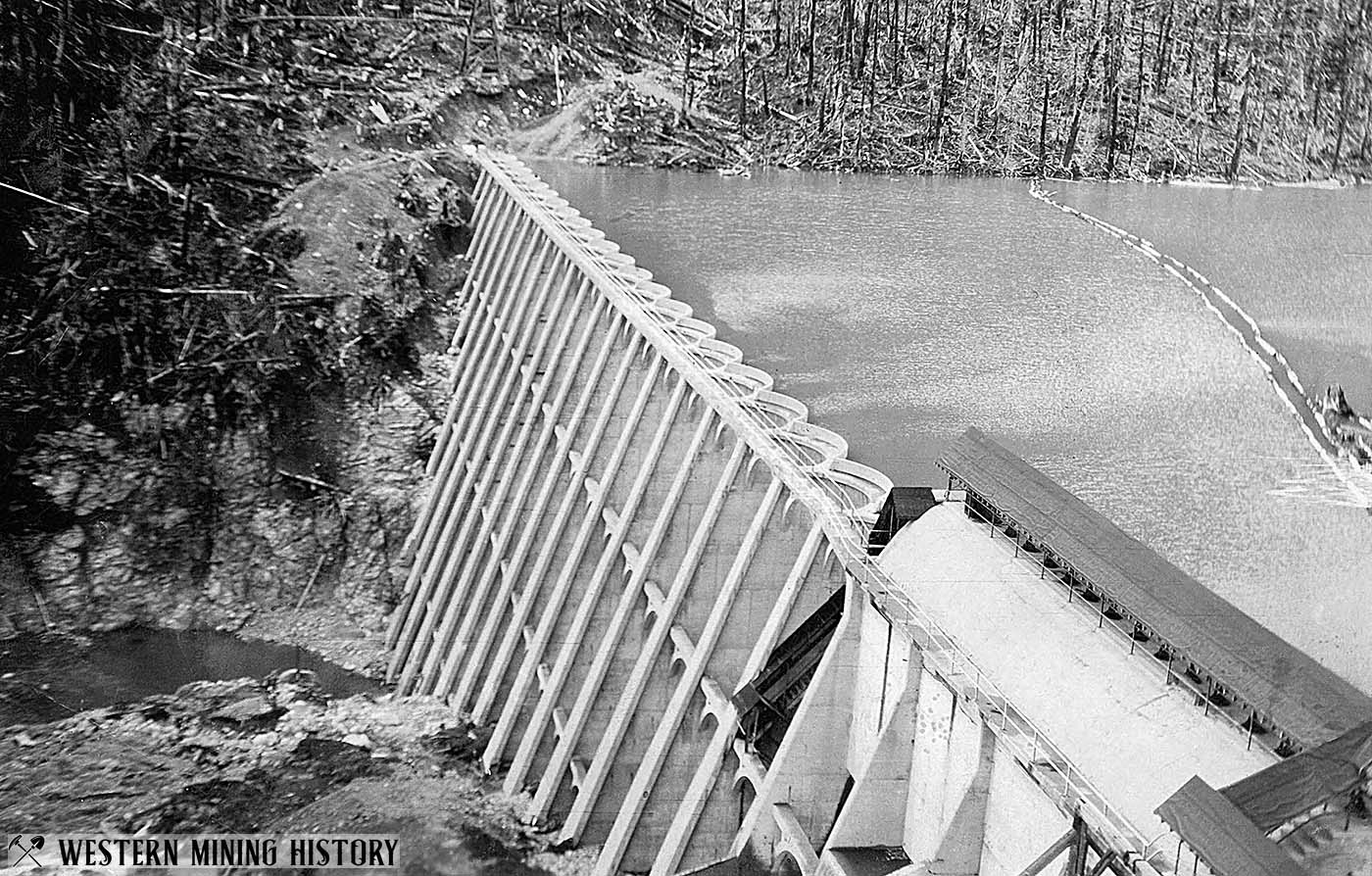
A hydroelectric system was developed on Anyox Creek using a rock-filled timber dam located about two miles upstream, supplying power for both the mining operations and the town. This system was later expanded to meet growing demand, culminating in the construction of a much larger reinforced concrete, multiple-arch dam in 1924, which significantly increased storage capacity and enabled the installation of additional generating units. Together with a supplementary coal-fired steam plant, this infrastructure ensured a reliable power supply for one of the most ambitious industrial enterprises in British Columbia.
By 1914, and with continued improvements through the 1920s, these combined developments had transformed a remote coastal inlet into a major and technologically advanced copper mining center.
Company Town
The town of Anyox was divided into two sections: the low-lying “flats” adjacent to the mine and smelter, and the residential “high side” on the slope to the west.
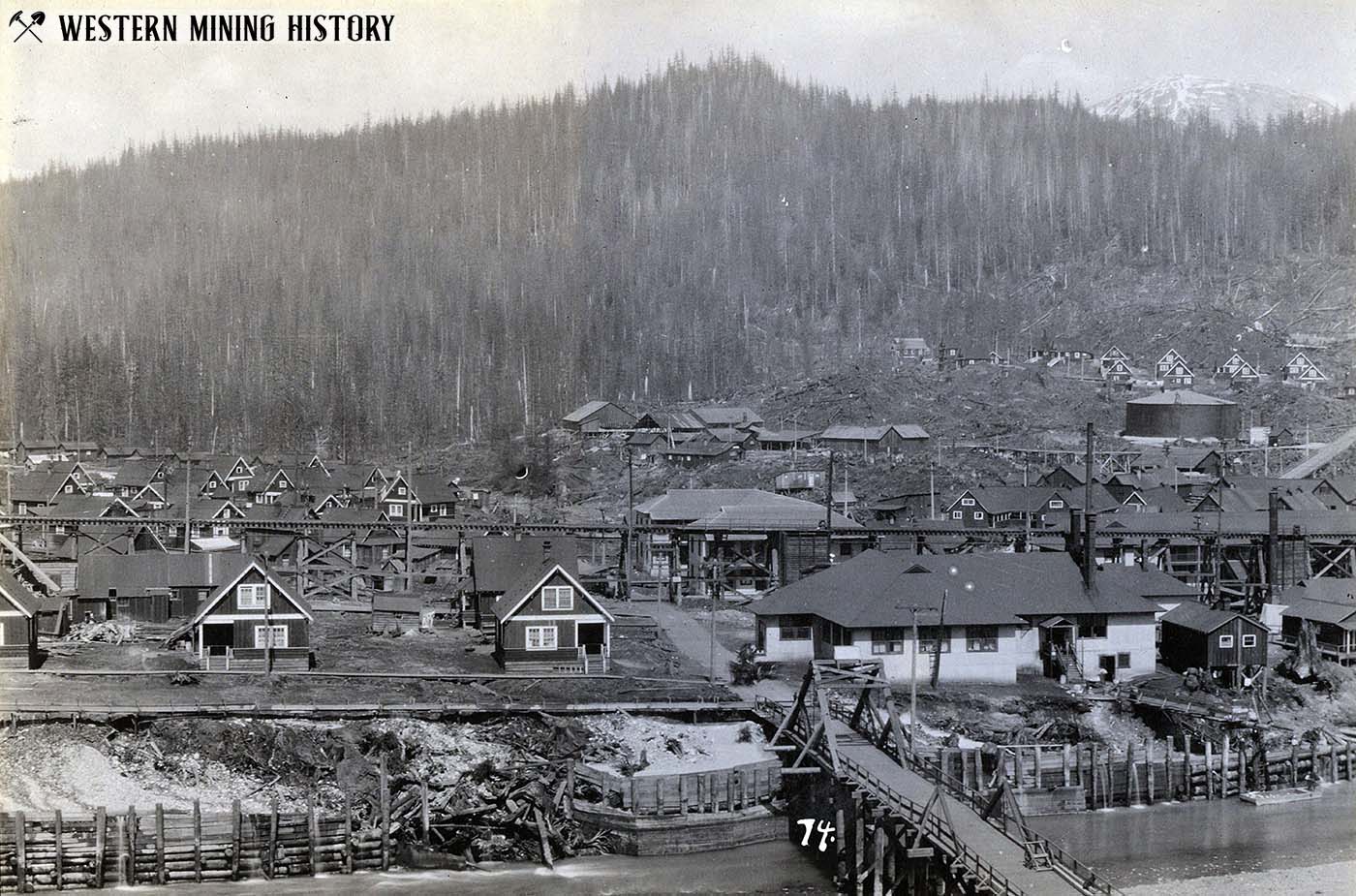
The flats formed the industrial and working core of the town. Here were located the crusher, concentrator, smelter, and associated repair facilities, as well as both hydroelectric and steam power plants. Nearby stood the main bunkhouses, which accommodated approximately 300 single male workers. These large dormitory-style buildings were supplemented by a separate bunkhouse for Chinese workers, who were primarily employed in service roles such as laundry, housekeeping, and mess operations. Additional housing on the flats included a small number of family dwellings, such as multi-family apartments and modest detached houses.
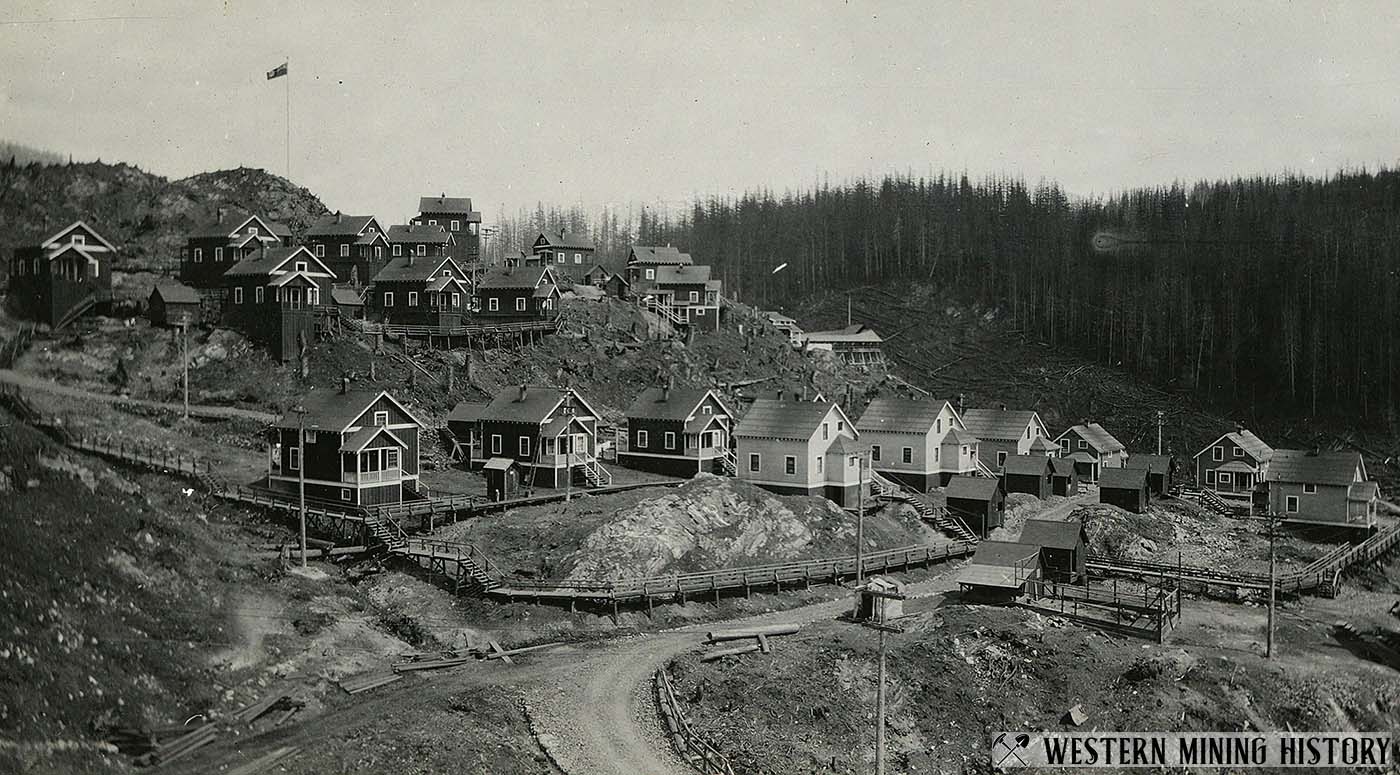
The “high side” of town served as the principal residential district for married workers and management. Housing here reflected occupational status: senior officials occupied the largest homes, while clerks, shopkeepers, and skilled workers lived with their families in rows of two-story houses.
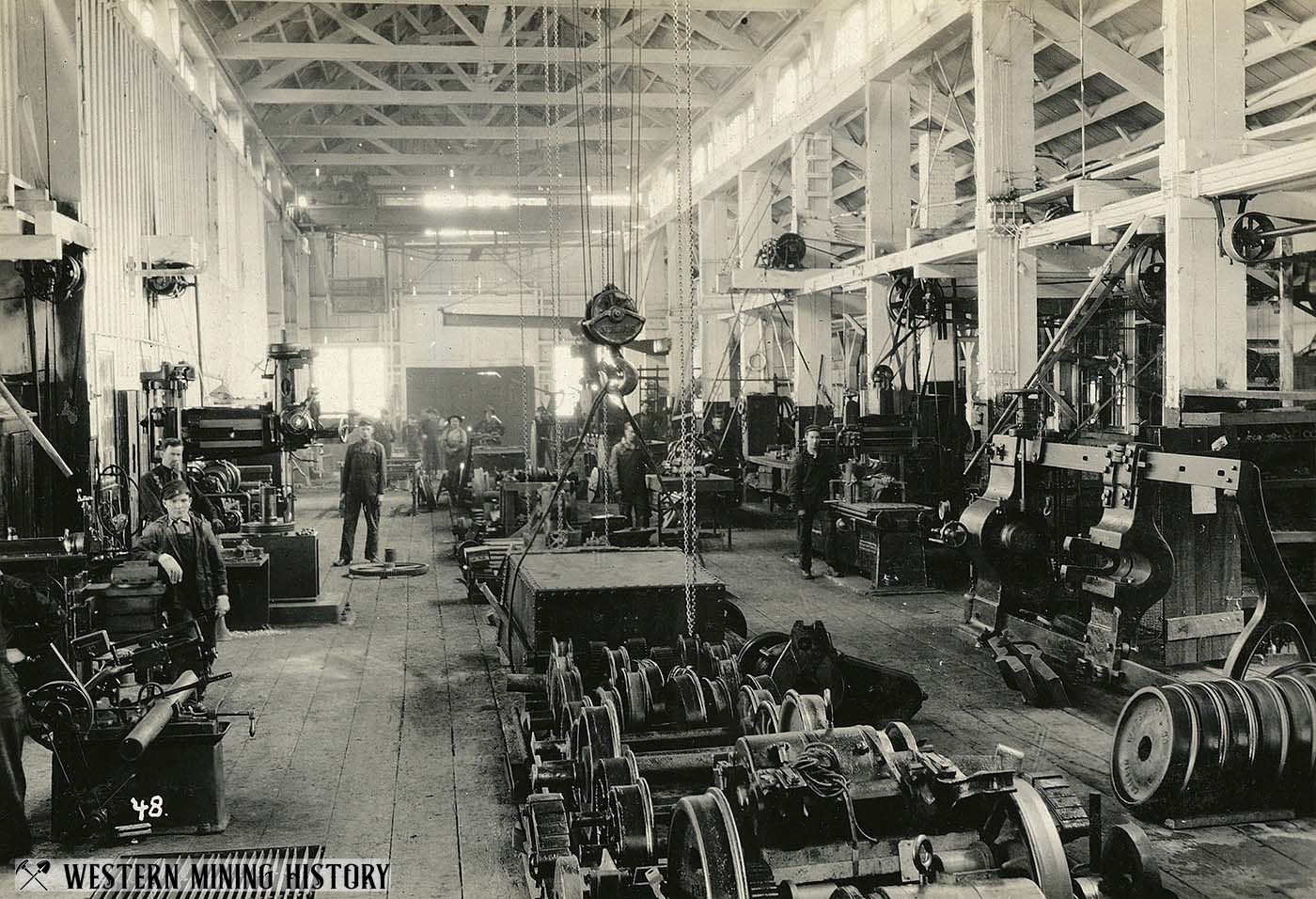
The industrial facilities at Anyox were notable for both their scale and sophistication. The machine shop, in particular, was regarded as one of the most advanced on the British Columbia coast. Employing dozens of machinists and helpers, it was equipped with heavy machinery including multiple lathes, planers, and an overhead crane, and was capable of producing the vast majority of parts required for the operation. Contemporary accounts emphasized the high skill level of the workforce, many of whom were trained craftsmen from Britain and continental Europe.
Despite its remote location, Anyox was a fully developed and well-serviced community. It possessed an impressive array of amenities for its size and isolation, including two hospitals—one near the mine for emergencies and a larger, well-equipped facility in town with modern medical equipment and multiple physicians. Religious life was supported by Anglican and Catholic churches, as well as a union church serving Methodist and Presbyterian congregations.
Infrastructure and living standards were notably advanced for the period. All buildings were supplied with electricity, and the town’s streets were illuminated at night. Housing typically included indoor plumbing and running water, features that were still considered luxuries in many parts of North America at the time.
Anyox also offered a wide range of commercial and recreational facilities. These included a general store, hotel, post office, telegraph office, newspaper, and various retail and service establishments such as a butcher shop, drug store, barber, and bank branch. Schools attracted highly-qualified teachers and offered instruction through the eleventh grade. Recreational opportunities included hockey and tennis, as well as a nine-hole golf course constructed on smelter slag. Social life was further supported by fraternal organizations, including Masonic, Oddfellows, and Elks lodges.
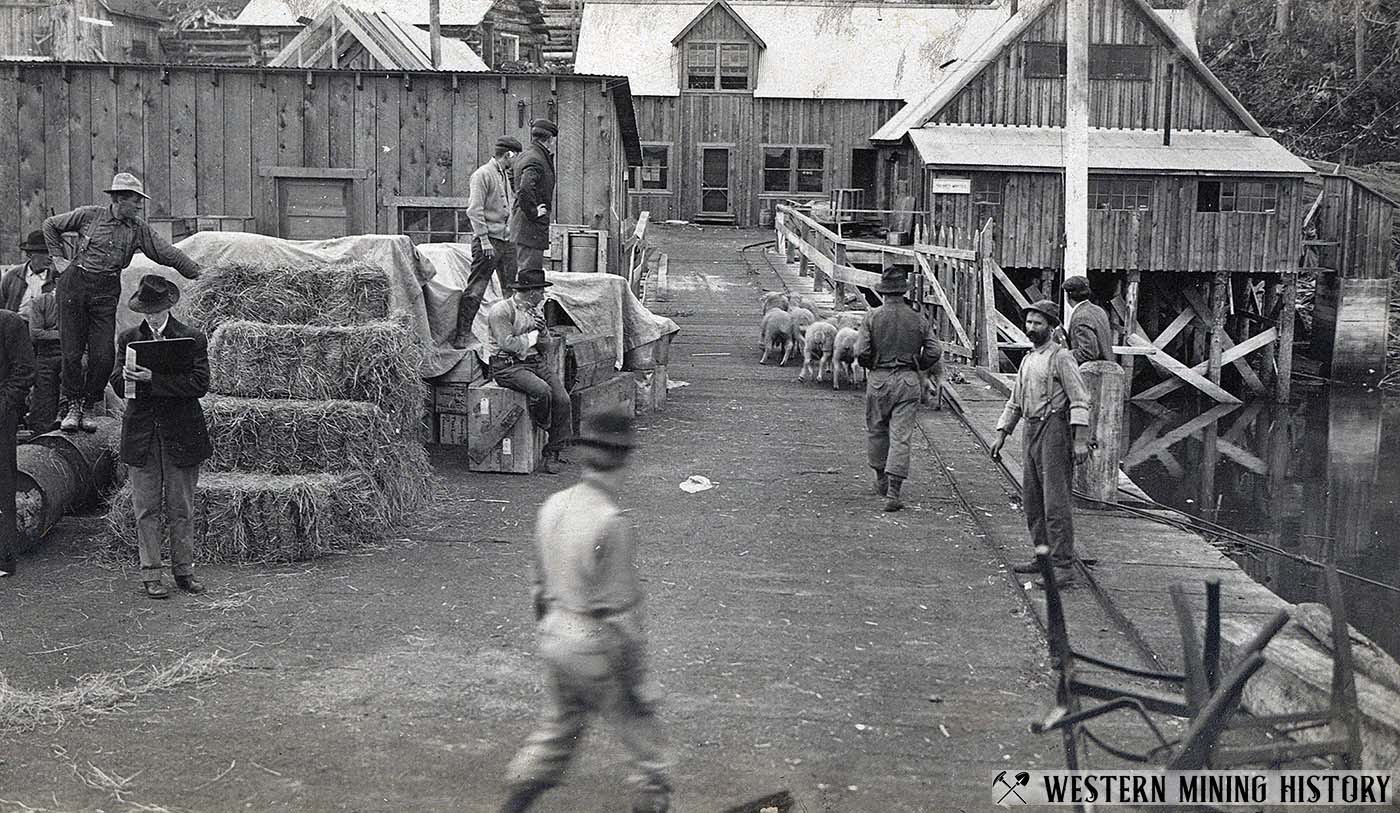
Life in Anyox was not without hazards, from smelter fumes to the threat of fire. A devastating blaze in 1923 destroyed much of the town, including the powder magazine, whose explosion sent residents fleeing to the waterfront.
End of the Line
The final phase of operations at Anyox was marked by an ambitious but ultimately disastrous attempt to extend the life of the mine. In late 1934, faced with declining reserves, the Granby Consolidated Mining, Smelting and Power Company undertook a massive experimental blast designed to collapse large bodies of low-grade ore into existing underground workings beneath the so-called “glory hole.” Preparations were extensive: nearby homes were evacuated, schools closed, and even the hospital cleared as a precaution.
When the explosion was detonated on November 27, 1934, it initially appeared anticlimactic, but a delayed collapse later that day dramatically altered the mountainside. The blast, however, proved counterproductive. Instead of facilitating continued mining, it destroyed critical underground workings and destabilized the surrounding rock, effectively rendering further development impossible. Intended to prolong the life of the operation, the explosion instead hastened its end.
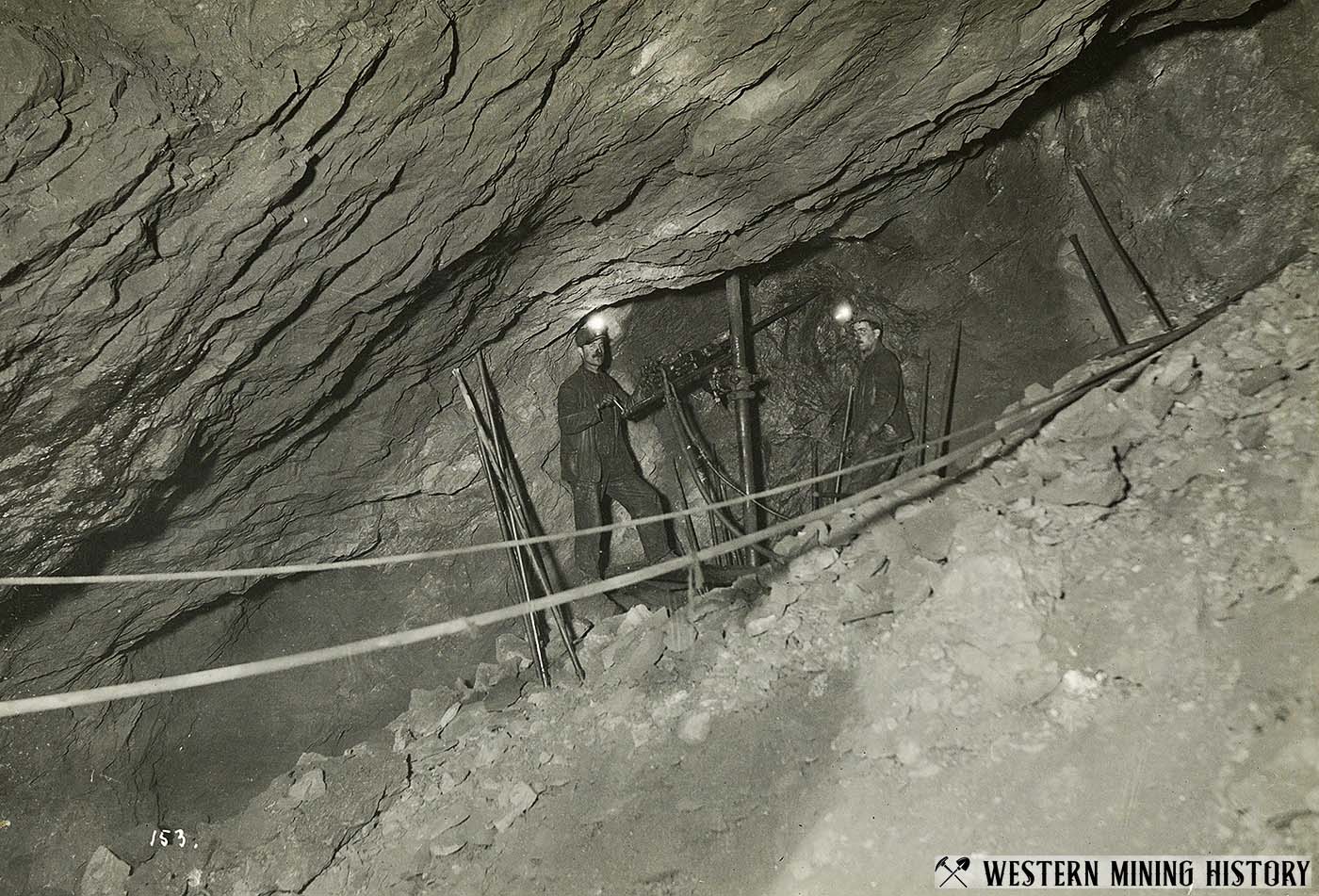
Broader economic forces sealed the fate of Anyox. The Great Depression had driven copper prices to unsustainable lows, and by 1935 the company was burdened with massive unsold stockpiles. Mining operations ceased on July 31 of that year, leaving roughly 1,000 workers unemployed and a population of some 2,500 suddenly displaced. Granby quickly dismantled much of the infrastructure, removing machinery, rails, and equipment, while only a small caretaker crew remained.
The final destruction of the town came in 1942, when forest fires sparked by lightning swept down the valley and consumed the abandoned settlement. Unable to control the blaze, the remaining caretakers were forced to evacuate by barge, watching as the once-thriving town was completely destroyed.
