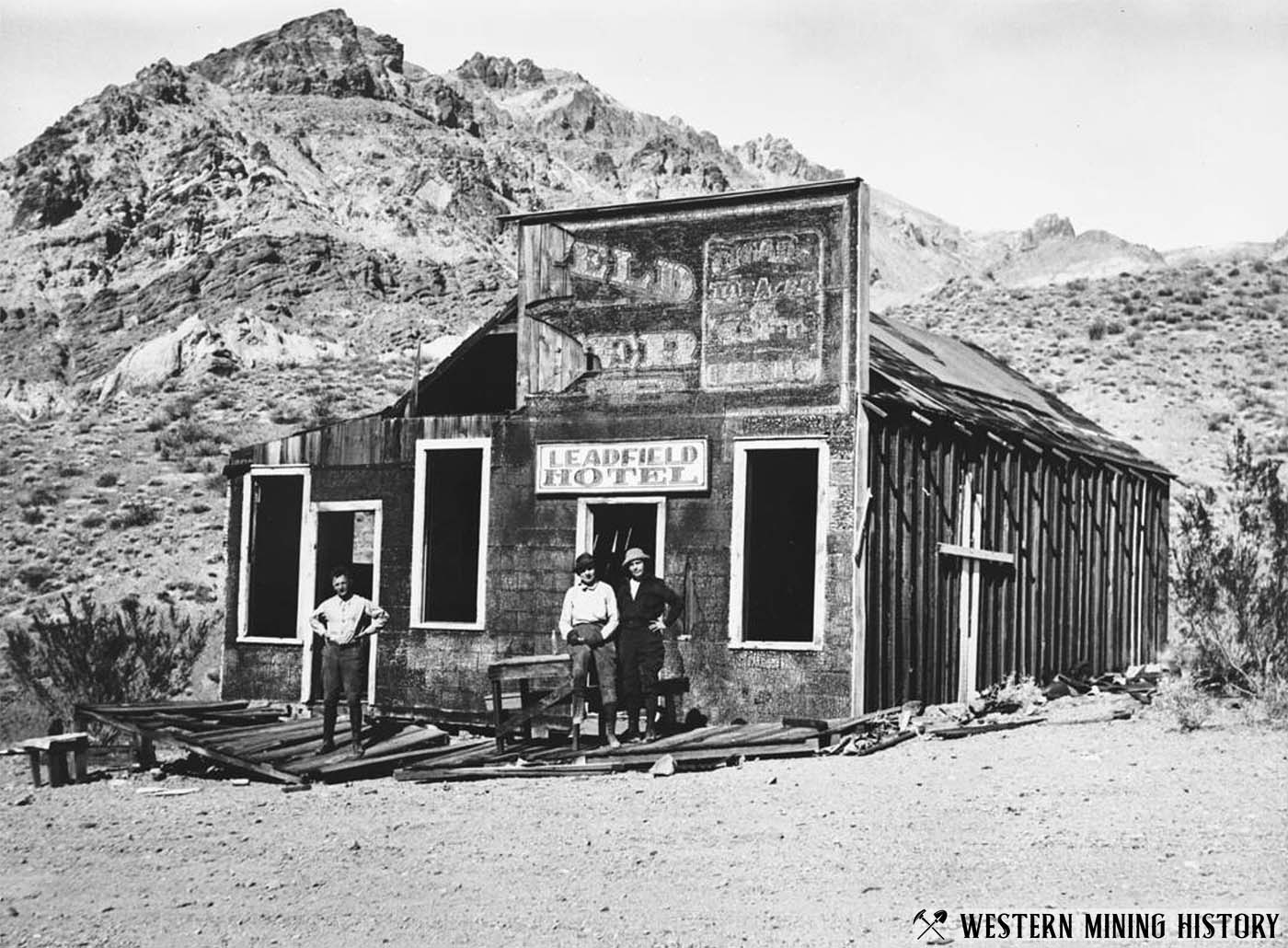
Leadfield History
Prospectors first explored the lead and copper deposits of Titus Canyon during the early twentieth century. By 1905, several claims had been located, and preliminary examinations indicated the presence of potentially valuable mineral deposits. Among the early prospectors was Clay Tallman, an attorney from nearby Rhyolite, Nevada, who reportedly brought ore samples out of the canyon that assayed as high as $40 per ton.
Despite these encouraging results, the district's isolation presented a major obstacle. The rugged Grapevine Mountains separated the deposits from the nearest railroad connections, and transporting ore through the steep, narrow canyons was prohibitively expensive. Early attempts at development were consequently abandoned, and the district remained largely inactive for nearly two decades.
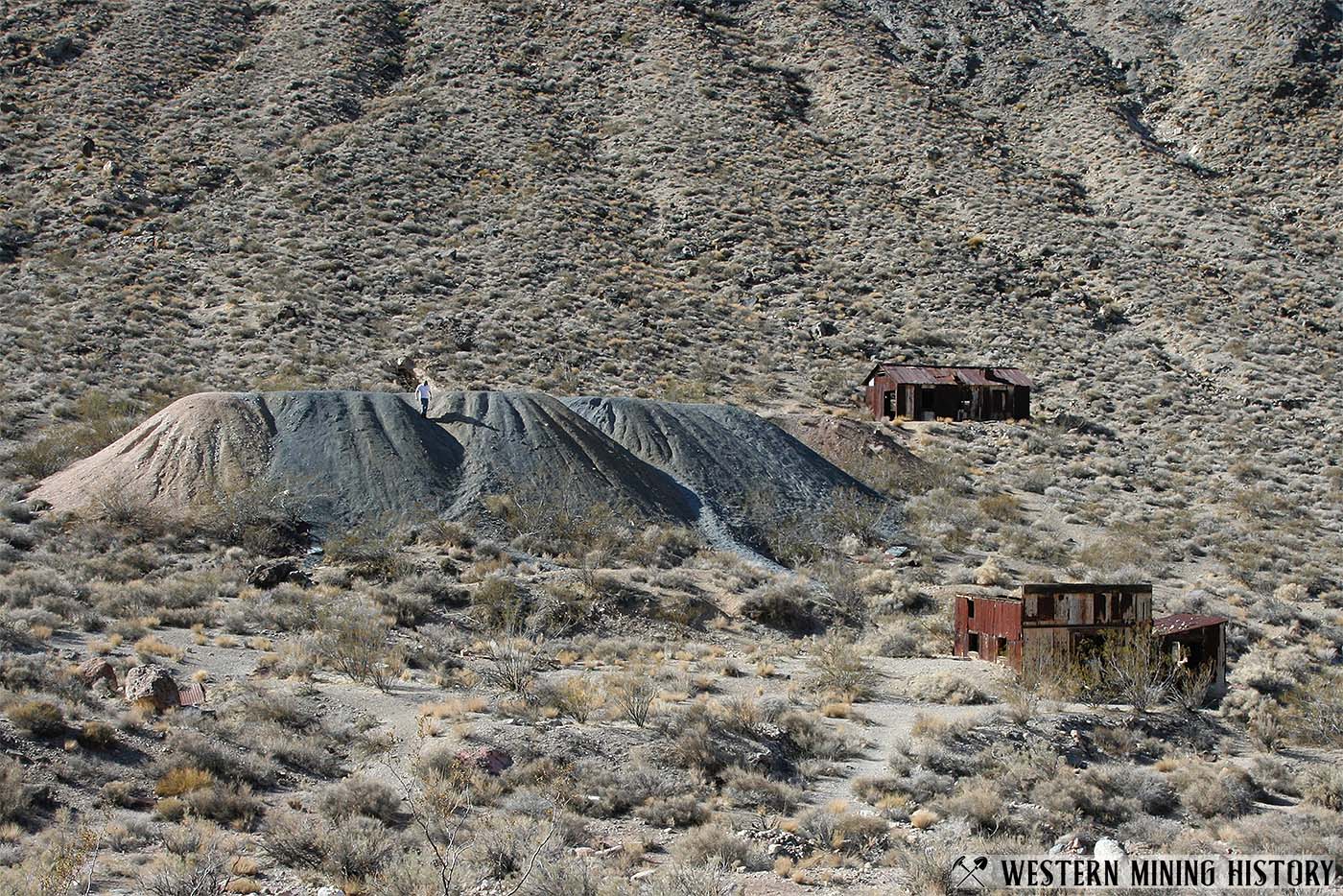
Mining interest revived in March 1924, when prospectors Ben Chambers and Frank Metts entered Titus Canyon and located a number of lead claims. They subsequently sold their interests to John Salsberry, who organized the Western Lead Mines Company to develop the property.
During 1925, the company expanded its holdings from approximately twelve claims to more than fifty. Development work began in earnest, and a crew of eighteen men was employed to improve the road leading into the canyon. By January 1926, a boarding house had been constructed, and a pipeline from Keane Spring was supplying water to the mining camp. Other companies also entered the district, encouraged by reports of promising lead deposits.
The Leadfield Boom
The transformation of Leadfield from an isolated mining camp into a widely publicized boomtown was largely the work of Charles C. Julian, a controversial California stock promoter. Julian had gained notoriety during the Southern California oil boom, where his aggressive promotional methods attracted substantial investments and considerable criticism.
In February 1926, Julian became president of the Western Lead Mines Company and began an extensive campaign to attract investors. His promotional activities generated widespread enthusiasm for the district, and company stock experienced a dramatic increase in value.
Julian employed elaborate publicity methods, including organized excursions to the mines. Prospective investors traveled by train from Los Angeles to Beatty, Nevada, before continuing by automobile over the newly improved mountain road. Visitors were entertained with meals and music and taken on tours of the mining properties. One widely publicized excursion brought hundreds of prospective investors into the district.
The campaign proved remarkably successful in generating interest. By the spring of 1926, more than 300,000 shares of company stock had reportedly been sold at an average price of $3.30 per share
The growing excitement surrounding the mines encouraged the establishment of a permanent townsite. In April 1926, surveyors laid out Leadfield with 1,749 lots arranged in ninety-three blocks. The ambitious plan reflected expectations that the district would become an important lead-producing center.
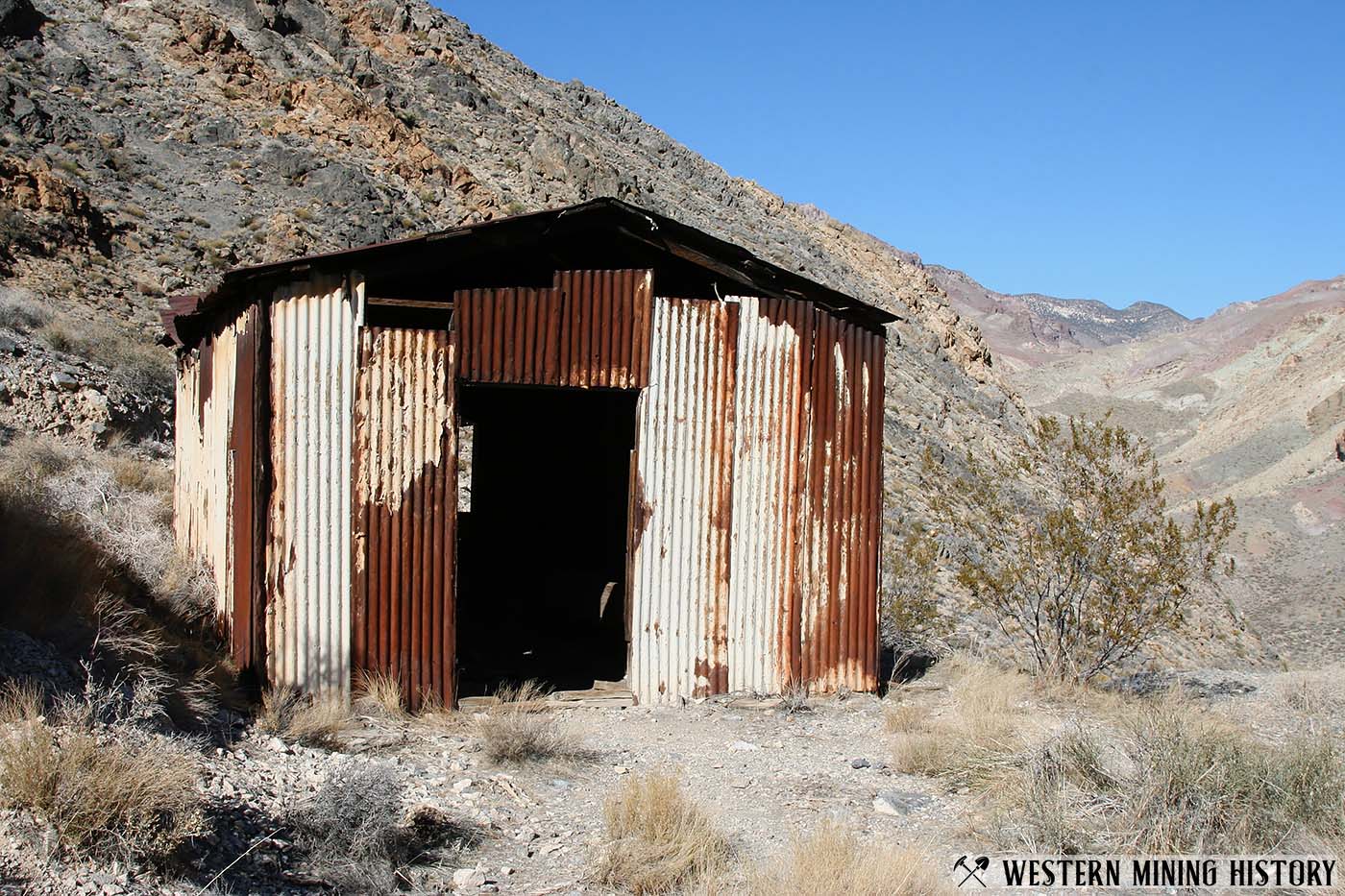
At its height, Leadfield had an estimated population of approximately 300 people. Most residents occupied tents, although a number of wooden and corrugated-metal buildings were constructed. Businesses included a general store, café, and boarding facilities, while the Leadfield Chronicle provided the settlement with its own newspaper.
A post office was established in August 1926, further reinforcing expectations that Leadfield would become a permanent community.
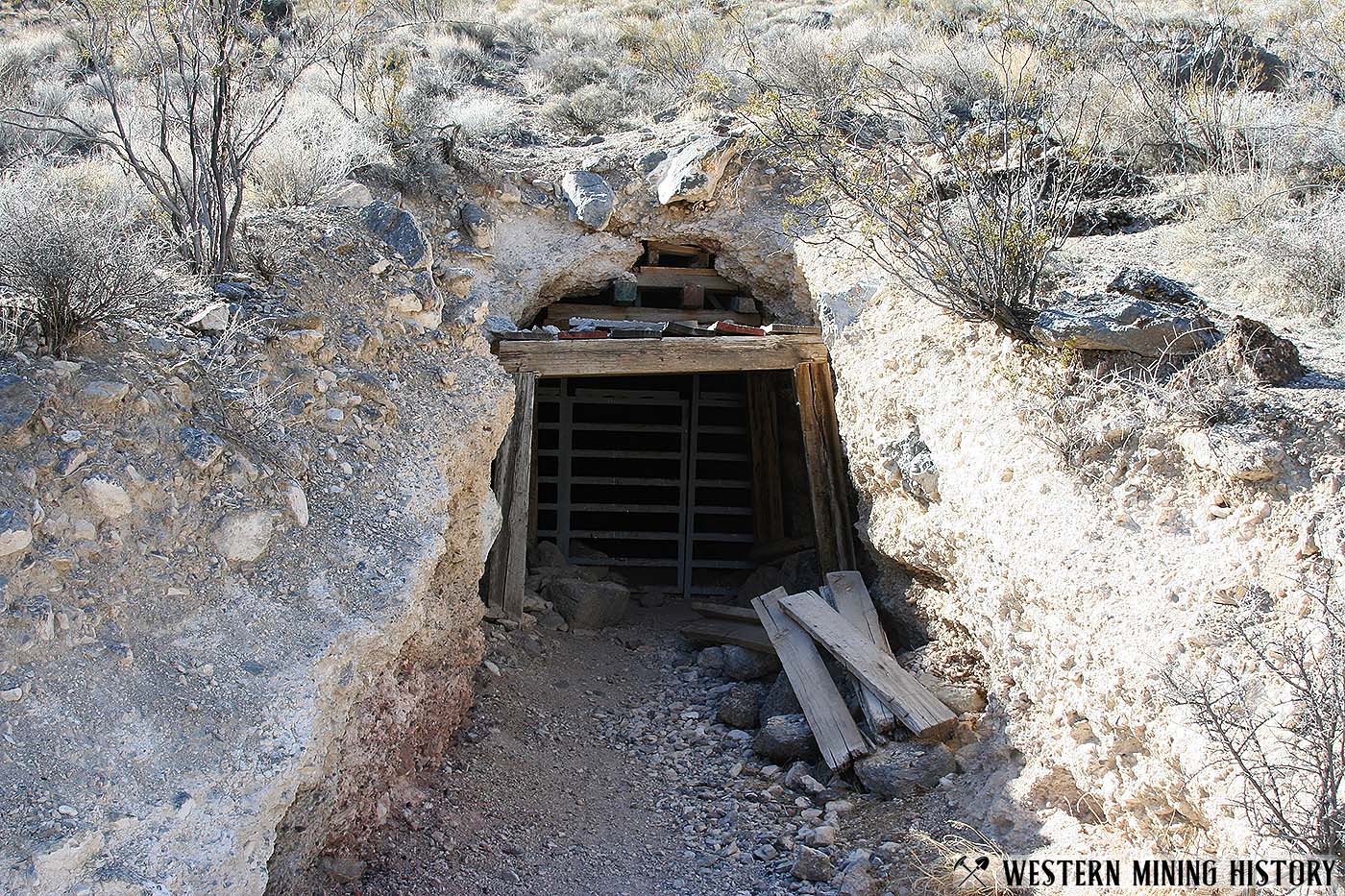
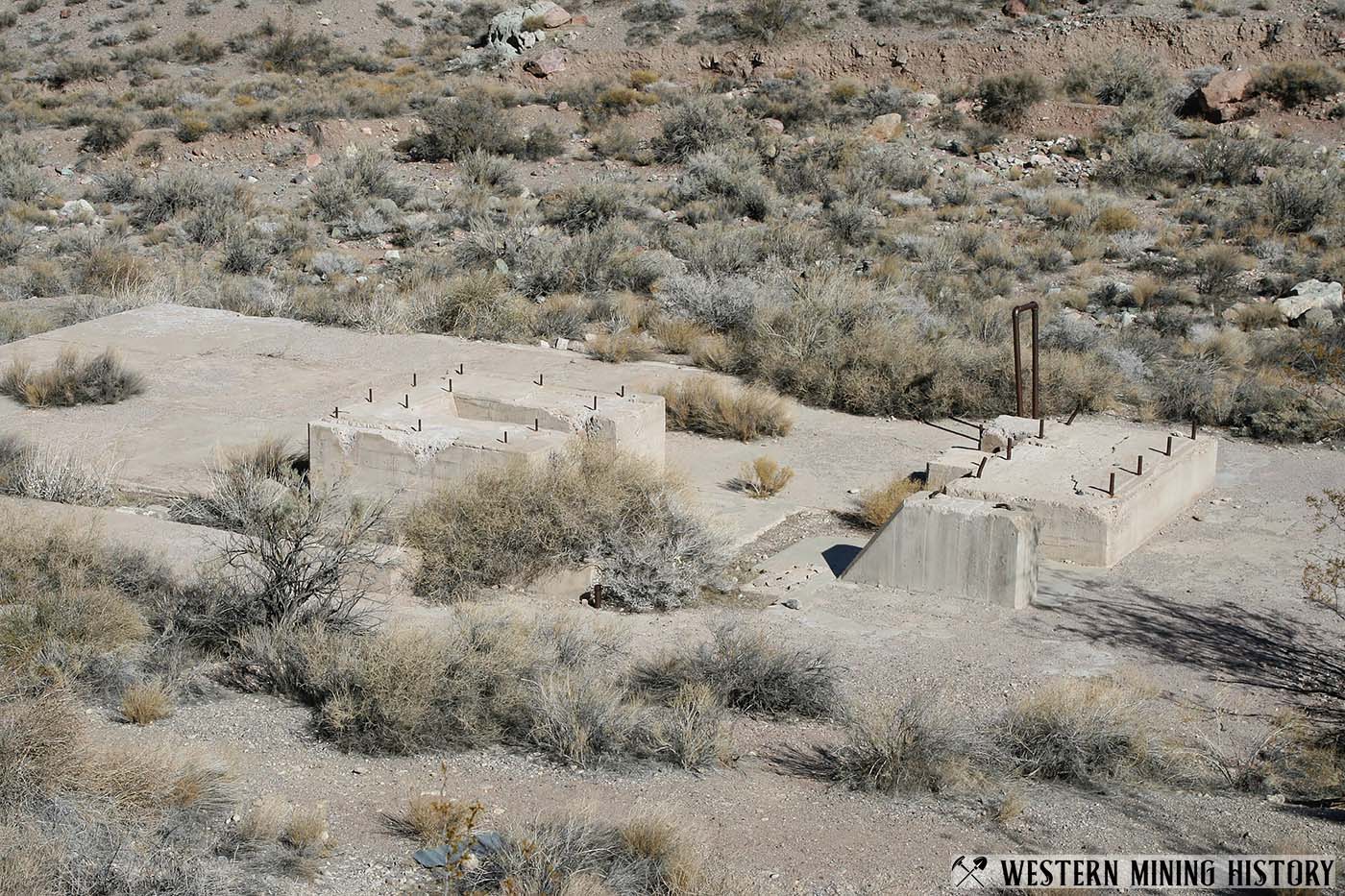
Mining development proceeded alongside the town's growth. Roads were improved to accommodate trucks carrying supplies, machinery, and construction materials. Mine adits were driven into the surrounding mountains, and foundations were poured for a proposed milling plant. Preparations were also made for electrical service.
The road through Titus Canyon was among the most substantial improvements associated with the boom. Although the mining venture ultimately failed, this route became an enduring legacy of Leadfield's brief existence
Decline and Abandonment
Despite the optimism surrounding Leadfield, serious problems were developing. The California State Corporation Commission began investigating Julian's stock promotions after discovering that the Western Lead Mines Company had sold shares without obtaining the required permit. The investigation threatened the company's ability to raise additional capital and undermined investor confidence.
More importantly, continued underground development failed to establish the extensive bodies of profitable ore that promoters had anticipated. Although lead deposits were present, their size and continuity proved disappointing. As the mining companies encountered increasing financial difficulties, work slowed, payrolls were reduced, and creditors began demanding payment.
The combination of disappointing mineral discoveries, declining stock values, and regulatory investigations brought the boom to an abrupt end. By early 1927, mining activity had largely ceased and residents were leaving the district. Leadfield's post office closed in January 1927, less than six months after its establishment.
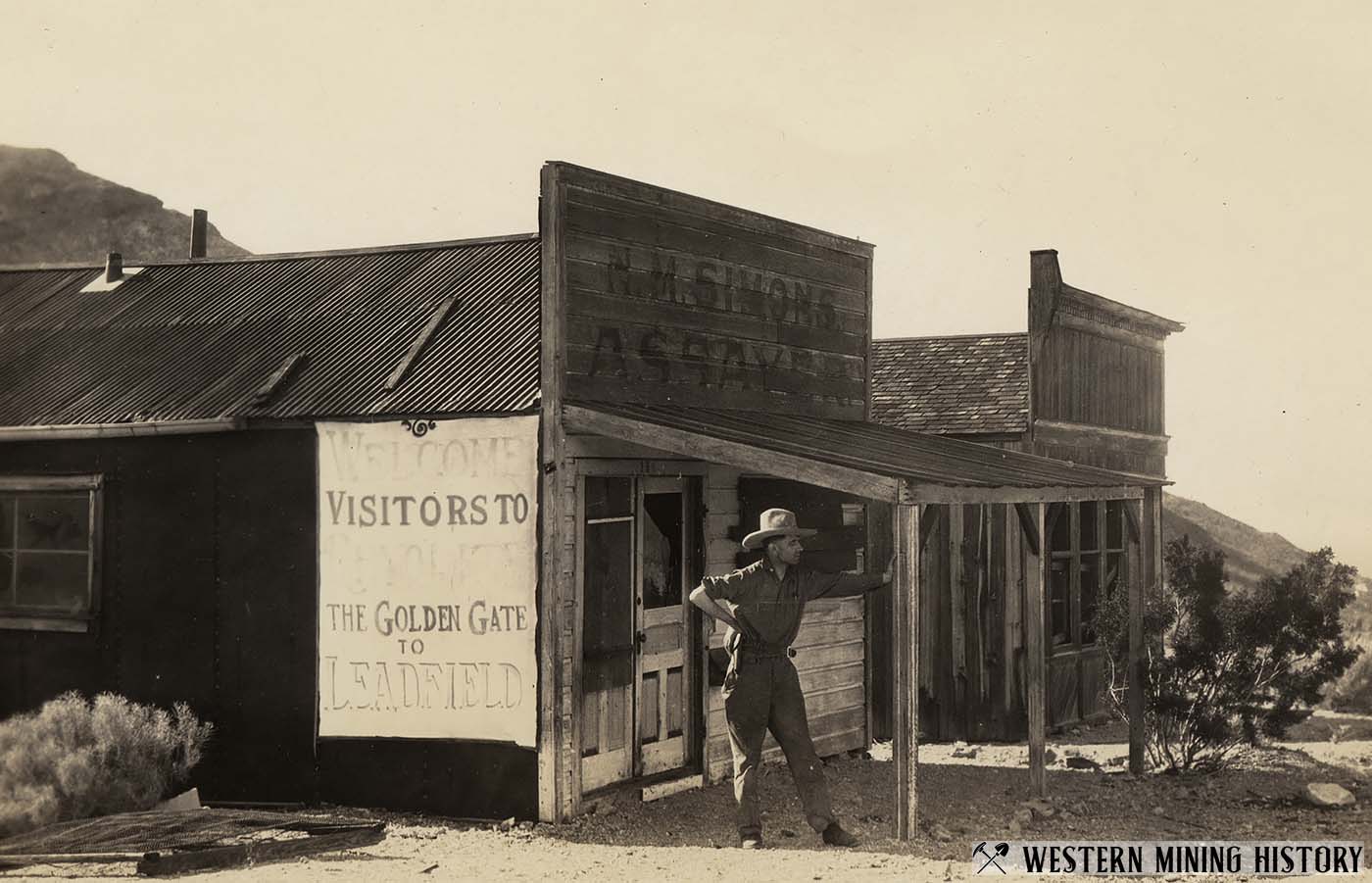
Leadfield's failure has often been attributed entirely to Julian's questionable promotional practices. However, the National Park Service's Historic Resource Study emphasizes that the district contained genuine mineral deposits and that considerable legitimate development work had been undertaken. The fundamental problem was that the deposits did not prove sufficiently extensive or profitable to support the large-scale operations envisioned by investors. Julian's promotions greatly exaggerated the district's prospects, but he was not solely responsible for its failure.
Leadfield Today
Leadfield is now a ghost town within Death Valley National Park. Surviving features include deteriorating wooden and metal buildings, mine openings, waste dumps, and concrete foundations associated with the proposed milling facilities.
The site was added to the National Register of Historic Places on June 10, 1975, in recognition of its historical significance.
It All Started With The Gold Rush
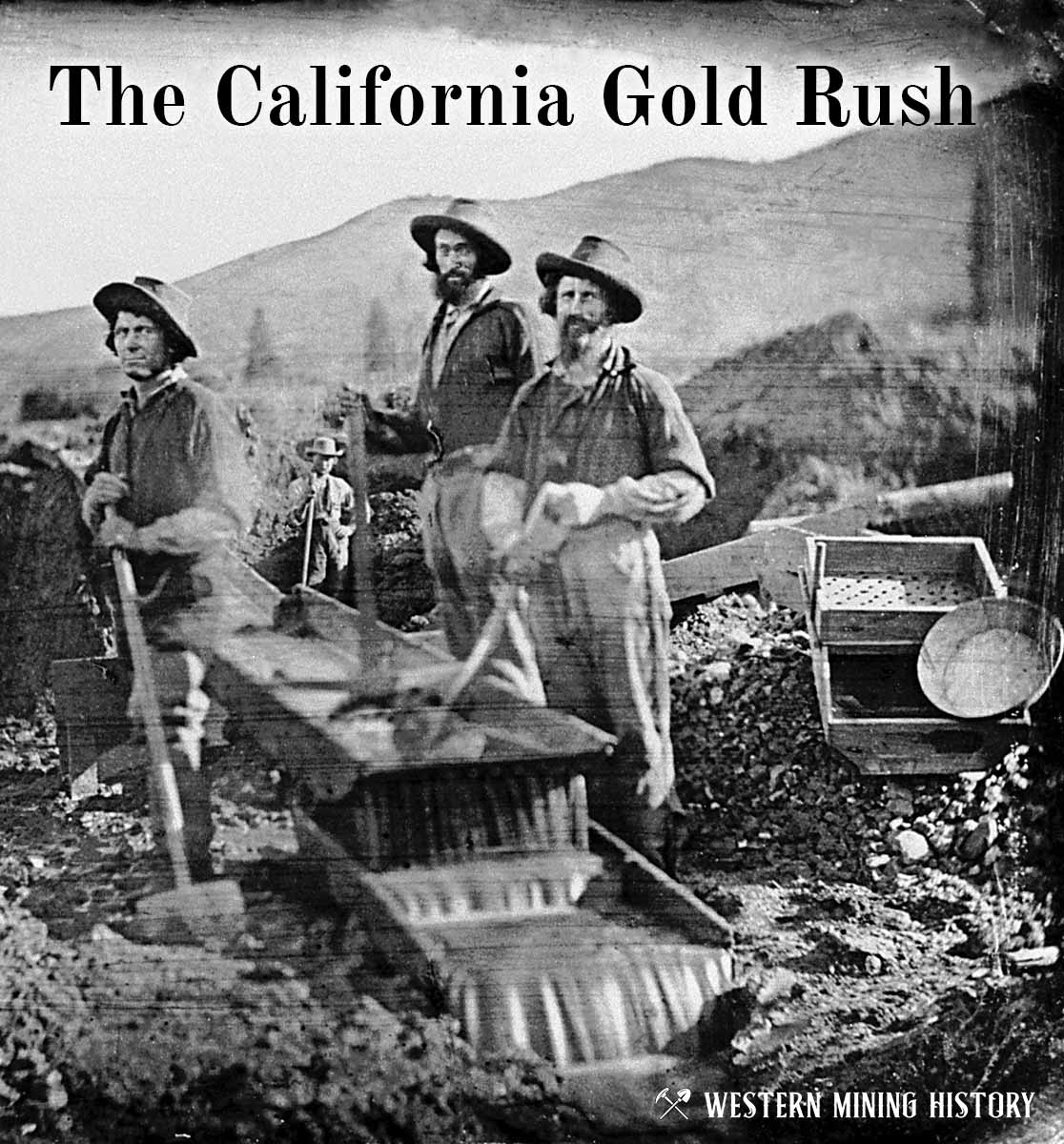
The great California Gold Rush kicked off the entire saga of western mining. Read about it at The California Gold Rush.
California Gold
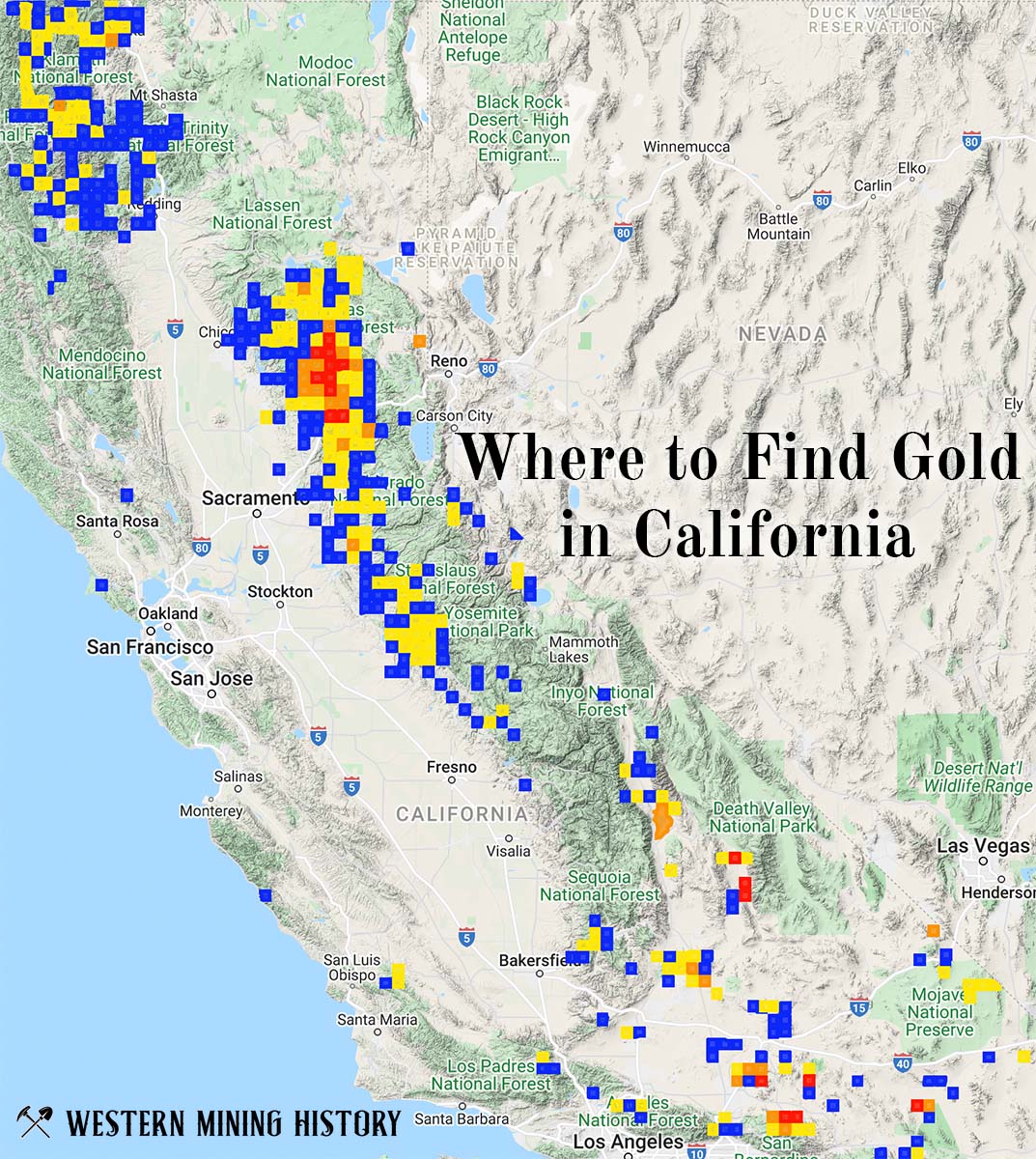
"Where to Find Gold in California" looks at the density of modern placer mining claims along with historical gold mining locations and mining district descriptions to determine areas of high gold discovery potential in California. Read more: Where to Find Gold in California.