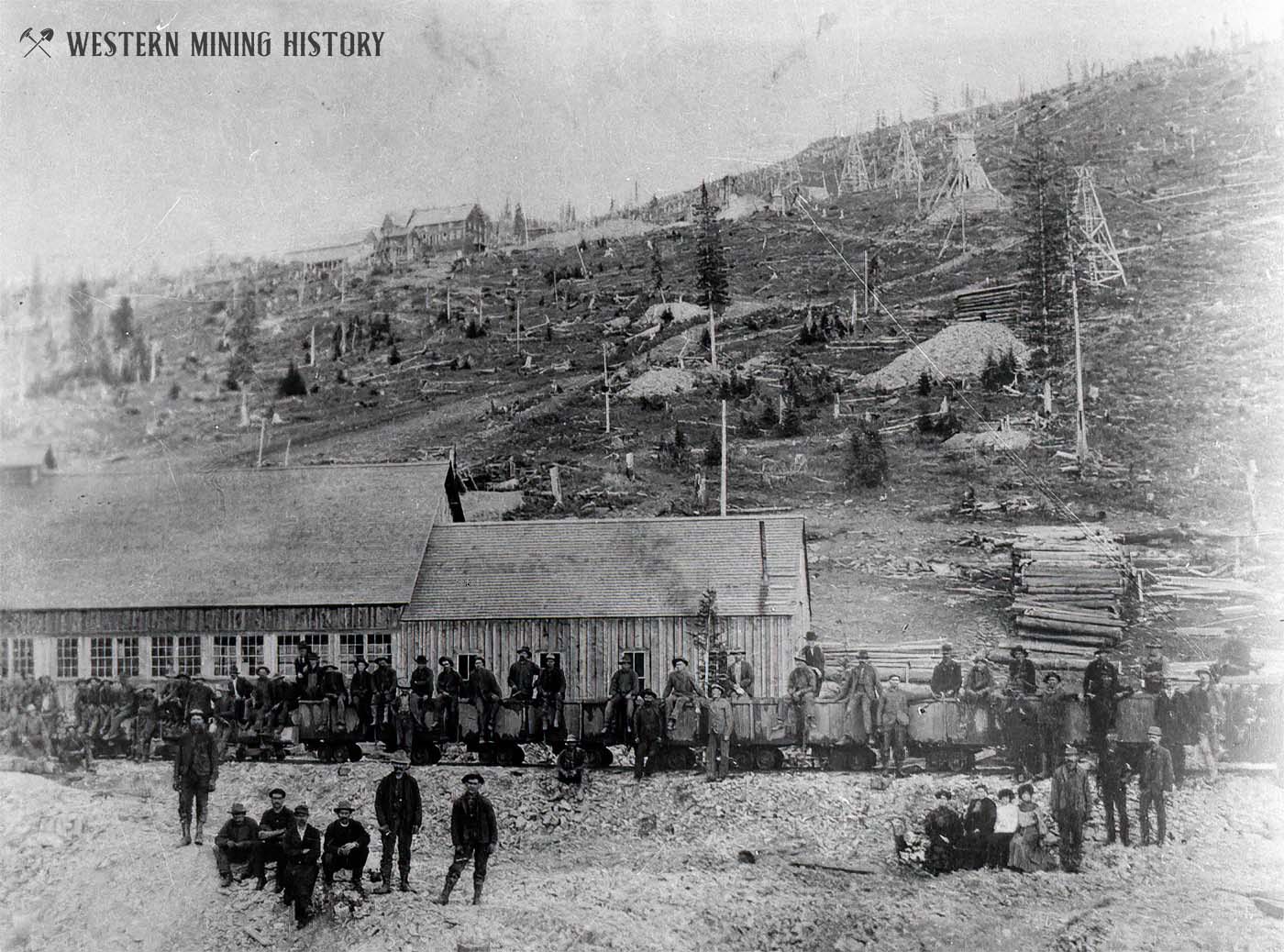
Rudefeha History
The Rudefeha mine was discovered by English emigrant Ed Haggarty. Haggarty, a down on his luck miner that was herding sheep to survive, had encountered outcroppings of promising looking rock during his wanderings of the Sierra Madre range. In the spring of 1897 he was grubstaked by James Rumsey, Robert Deal, and George Ferris.
In July of 1897 Haggarty discovered his mine, naming it the Rudefeha – two letters each for Haggarty and the three men that had grubstaked him – Ru-de-fe-ha. Two of the partners backed out, leaving Haggarty and Ferris the sole owners of the mine. The mine would later be known as the Ferris-Haggarty.
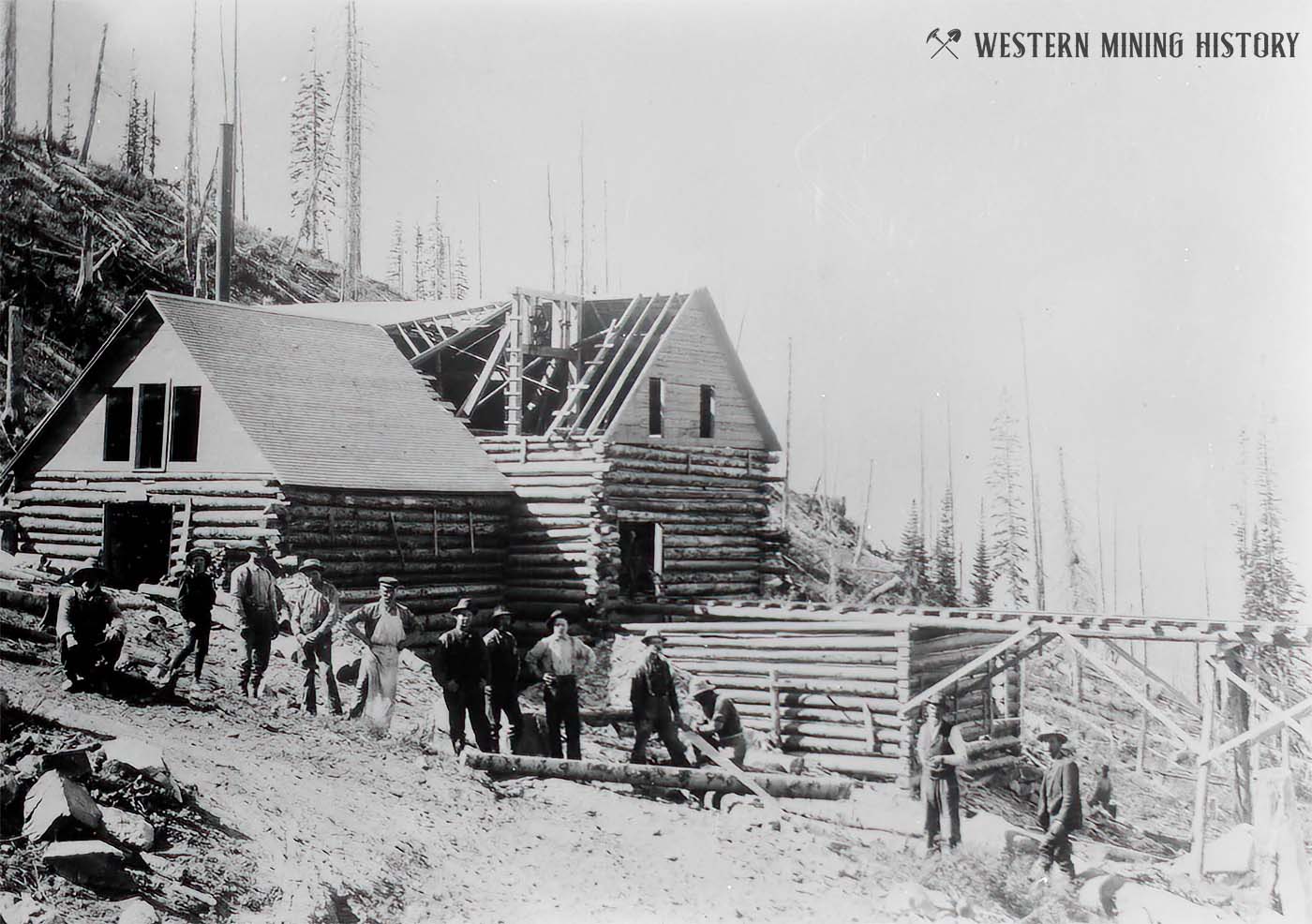
Relying on funds from George Ferris alone to fund development of the claim, in August 1898 a thirty-foot shaft was sunk which struck a rich vein of ore. In October the first wagon load of ore was sent to Fort Steele and then on to Salt Lake City and Denver for smelting. The payments from the smelters were enough to verify that the men were the owners of a rich mine.
In 1899, Haggarty sold his interest to Ferris. Ferris was killed in an accident in August 1900, and in 1902 the mine was acquired by the North American Copper Company, which provided the substantial capital needed to construct the sixteen-mile aerial tramway that carried ore from the Ferris-Haggarty Mine to the mill and smelter at Encampment.
The character of the town at Rudefeha remains somewhat obscure, as no known photographs of the settlement appear to exist and most surviving descriptions focus on the mine rather than the community itself. Available accounts suggest that, before 1902, a small but growing camp had developed there with at least a couple of saloons.
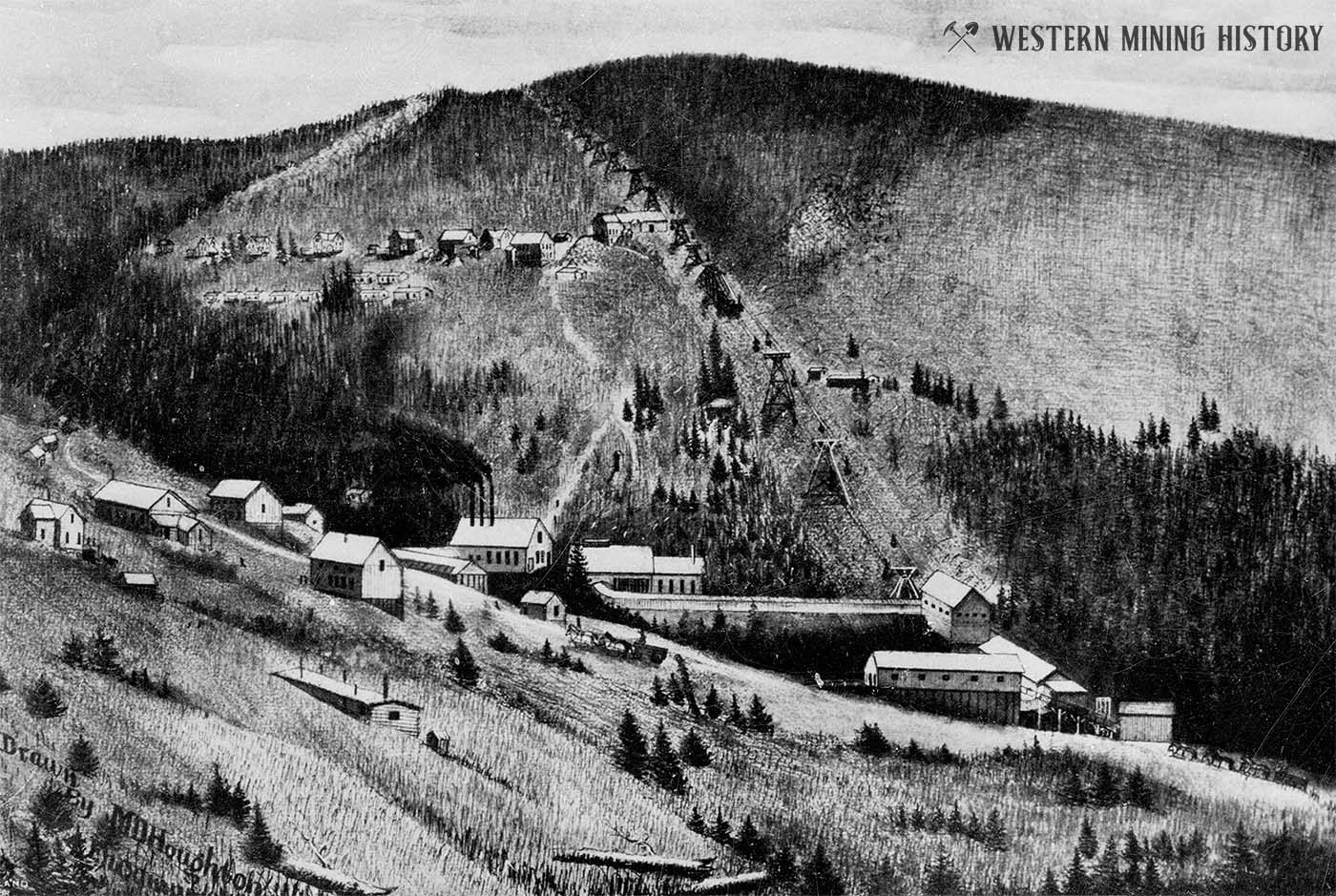
When the North American Copper Company took over the mine, they ordered the closure of the saloons, so in late 1902 the enterprising saloon owners simply reopened their establishments a mile down the gulch at what became the town of Dillon.
It is likely that the post-1900 version of Rudefeha town merely consisted of boarding for the mine workers. A post office operated here from 1900 to 1905.
Grand Encampment: A Wyoming Copper District
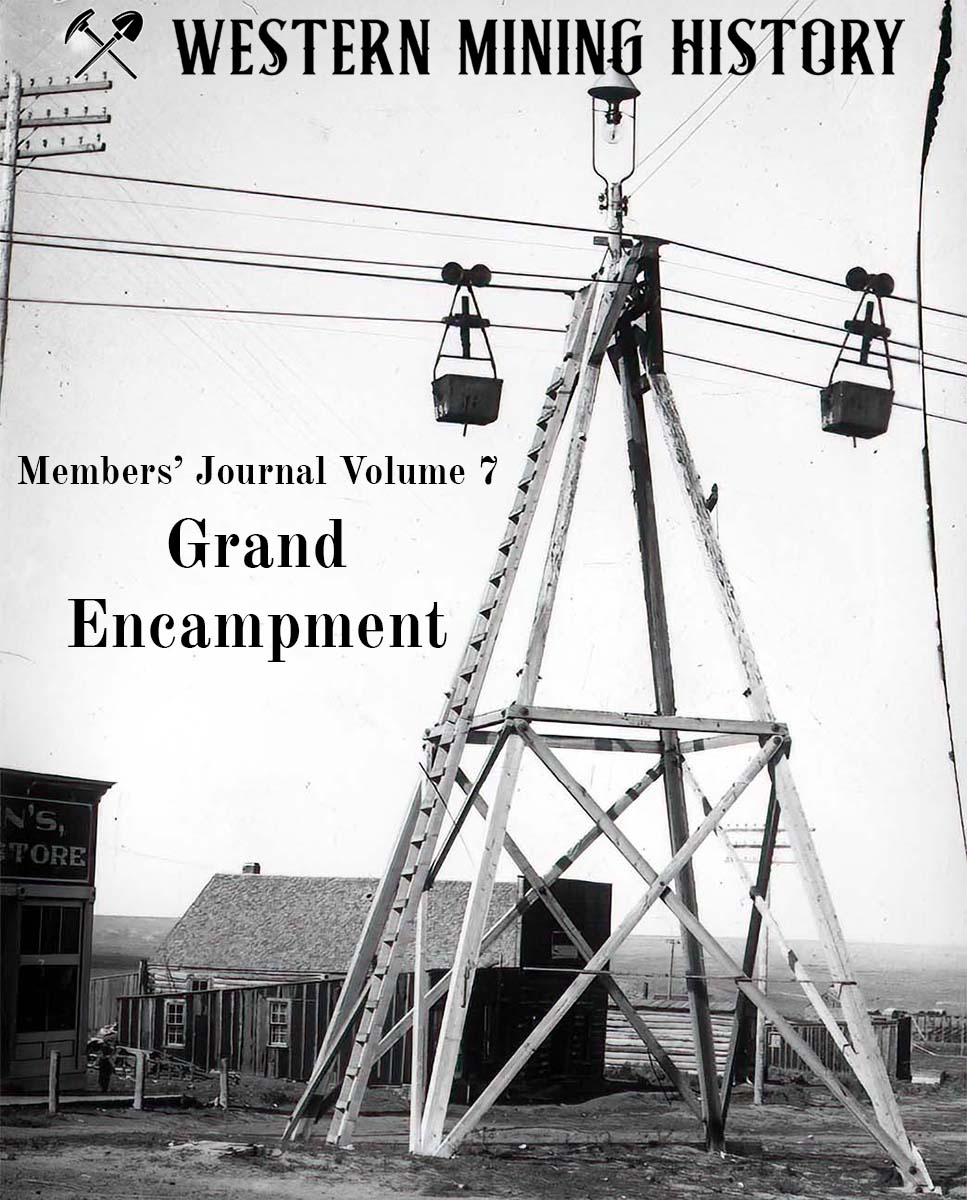
The Encampment district is notable for the sixteen-mile-long aerial tram that linked the mill and smelter at the town of Encampment with the Ferris-Haggarty mine. At the time it was completed in 1902 it was the longest aerial tramway in the world. This article examines the history and mining towns of this Wyoming copper district. Continue reading... (members only content)