Member Protected

lockedThe Barnes-King Mine – Kendall, Montana
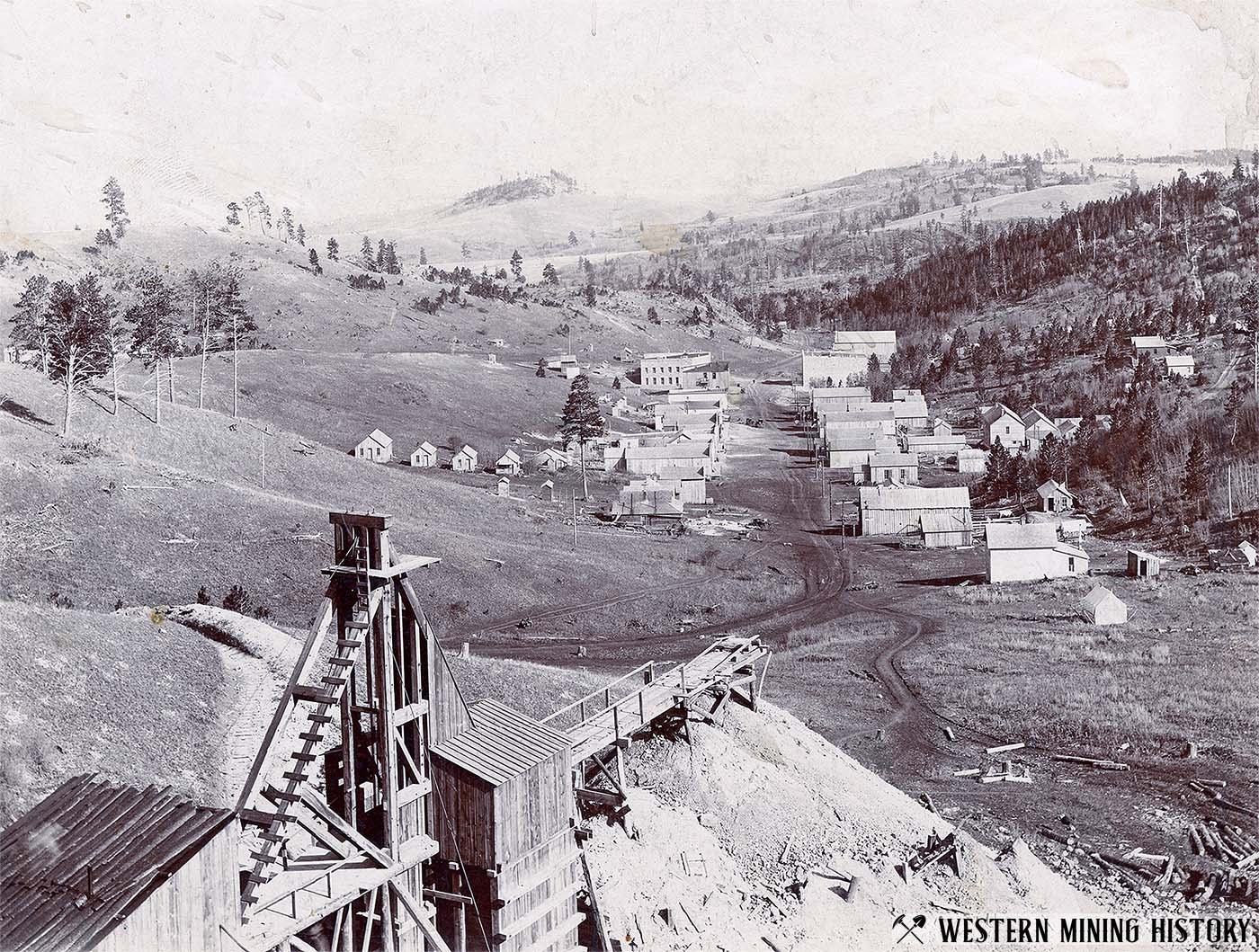
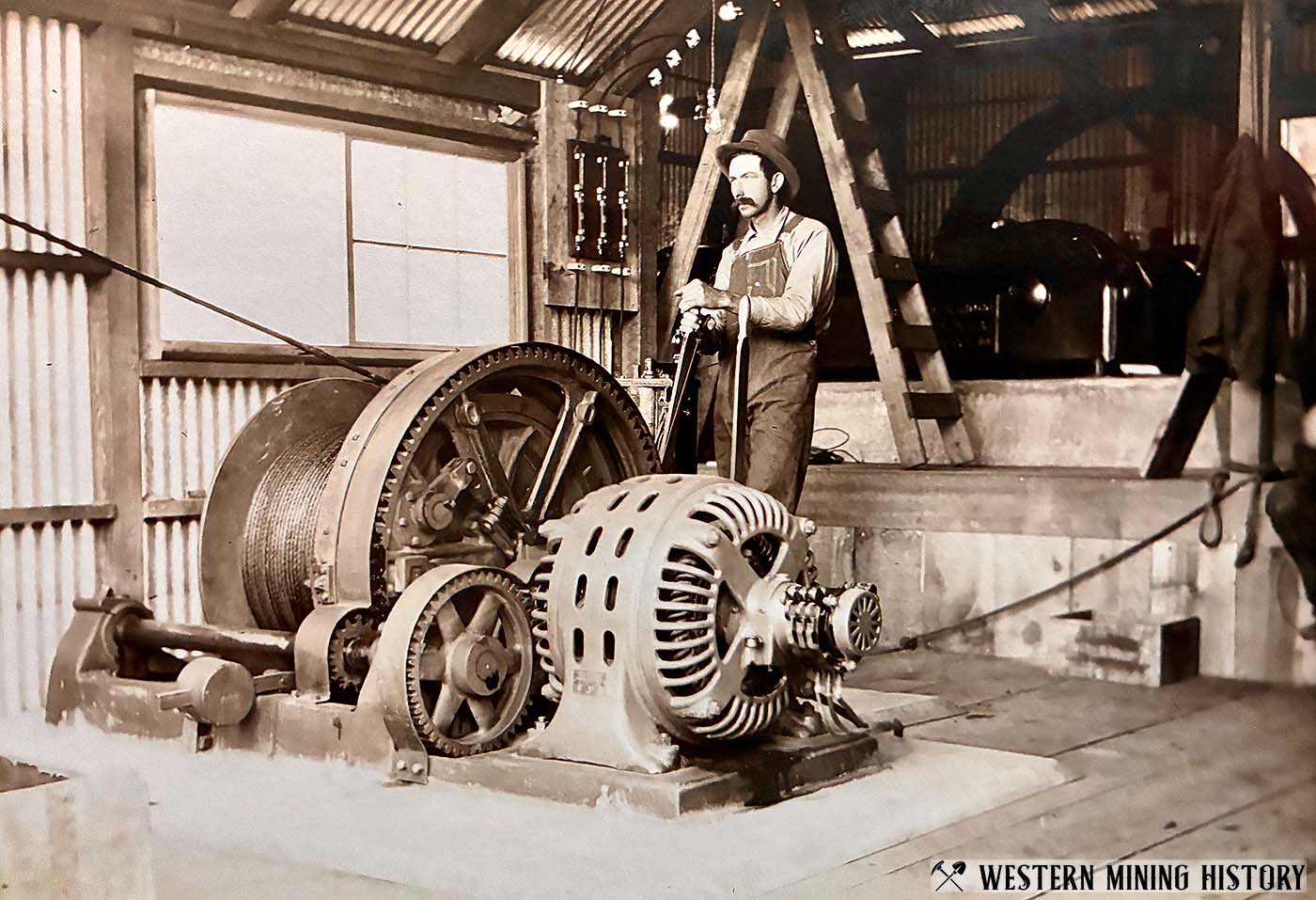
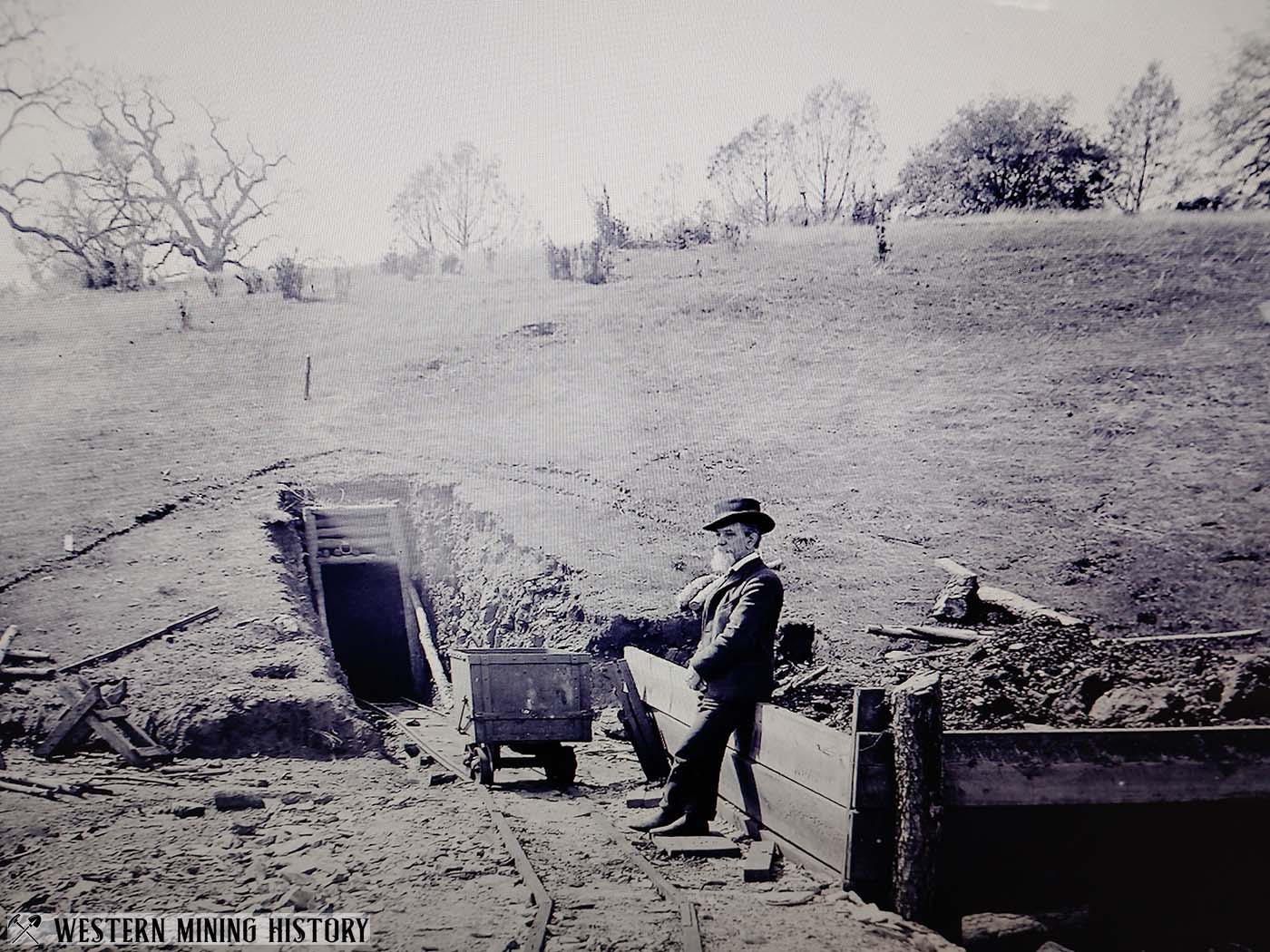
Discovered in 1893 near what would become the town of Kendall, the Barnes-King Mine developed into a major operation following the introduction of cyanide milling in 1900. Its success helped establish Kendall as a thriving mining community, while subsequent expansion and consolidation made the Barnes-King Development Company a leading mining enterprise in the district during the early twentieth century.  Continue Reading
lockedChilkoot Pass: Firsthand Accounts from the Klondike Gold Rush

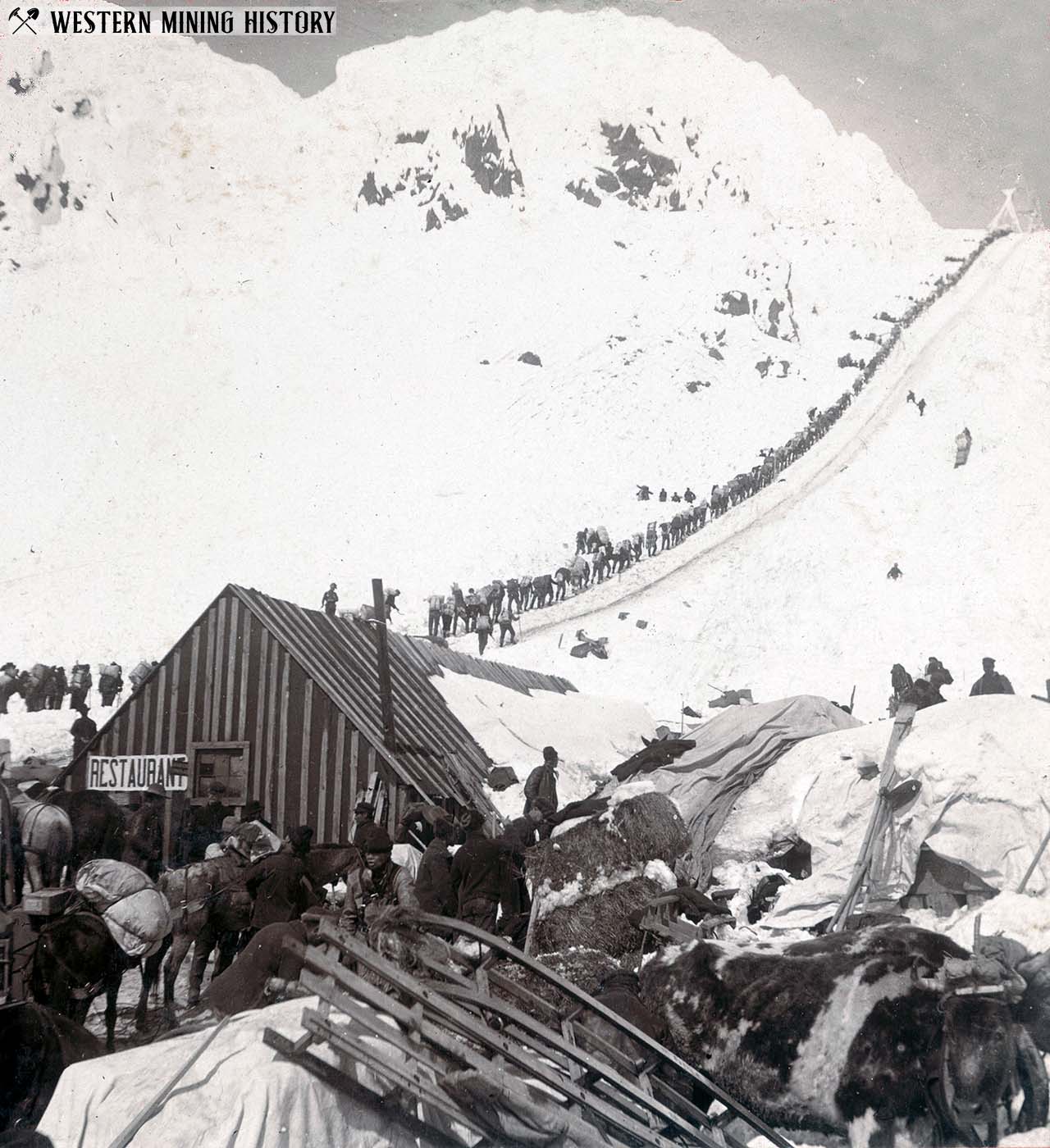
Few images of the Klondike Gold Rush are as recognizable as the long lines of stampeders climbing the snow-covered slopes of Chilkoot Pass. During the winter of 1897-98, thousands passed through this narrow gateway on their way to the Yukon, carrying the supplies needed for the long journey to Dawson City and the Klondike goldfields. The firsthand accounts of those who made the difficult climb provide vivid descriptions of one of the defining episodes of the Klondike Gold Rush.  Continue Reading

lockedFourth of July Mine – Boulder County, Colorado

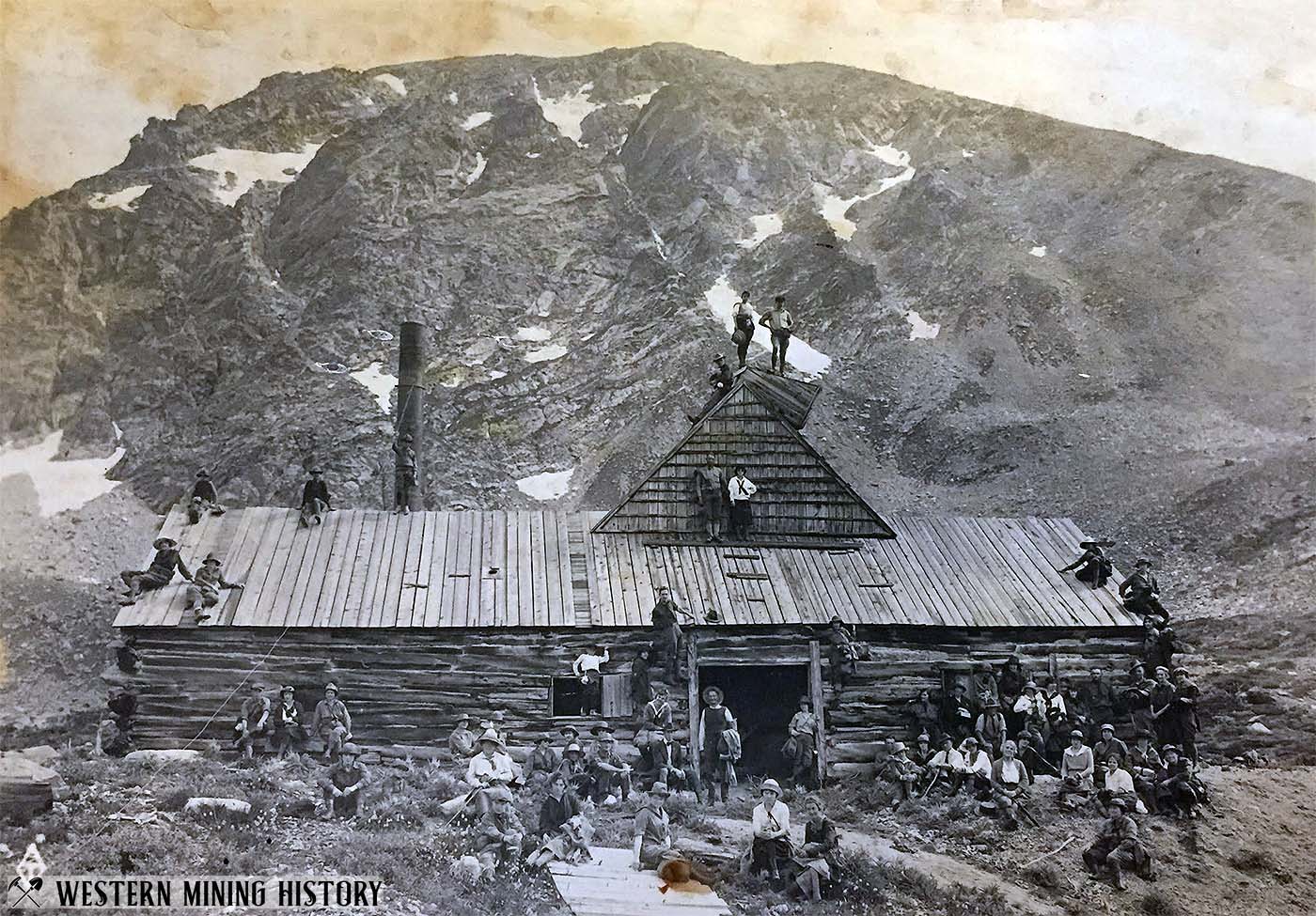
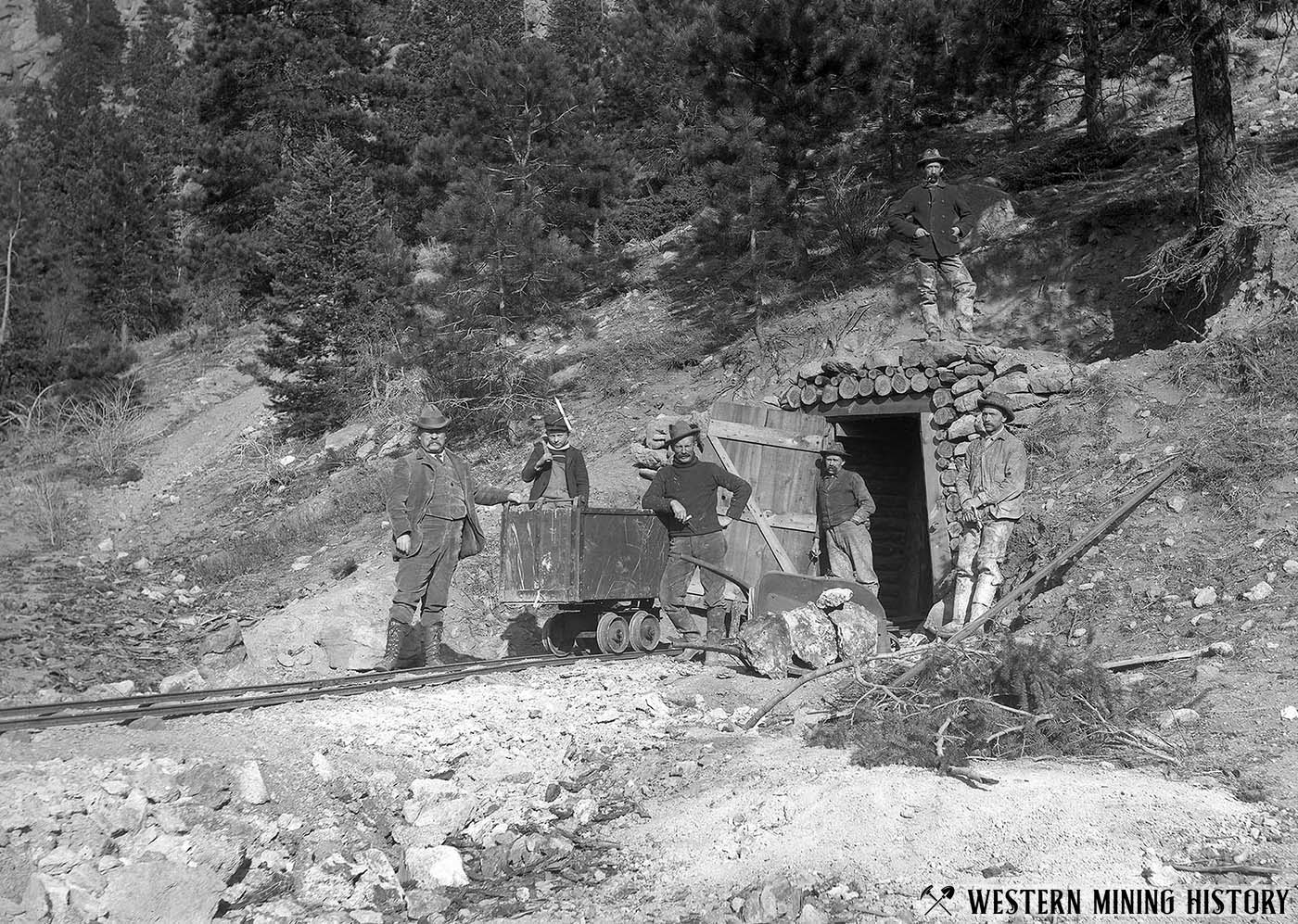
The Fourth of July Mine was an ambitious mining venture that never lived up to the expectations of its owners and investors. Located high in the mountains west of Boulder, the property attracted repeated investment over more than six decades and was developed with a deep shaft and a tunnel nearly 2,000 feet long. Yet for all this effort, recorded production amounted to only 115 tons of ore.  Continue Reading

lockedThe Ikeda Mine: A Japanese Mining Venture in British Columbia

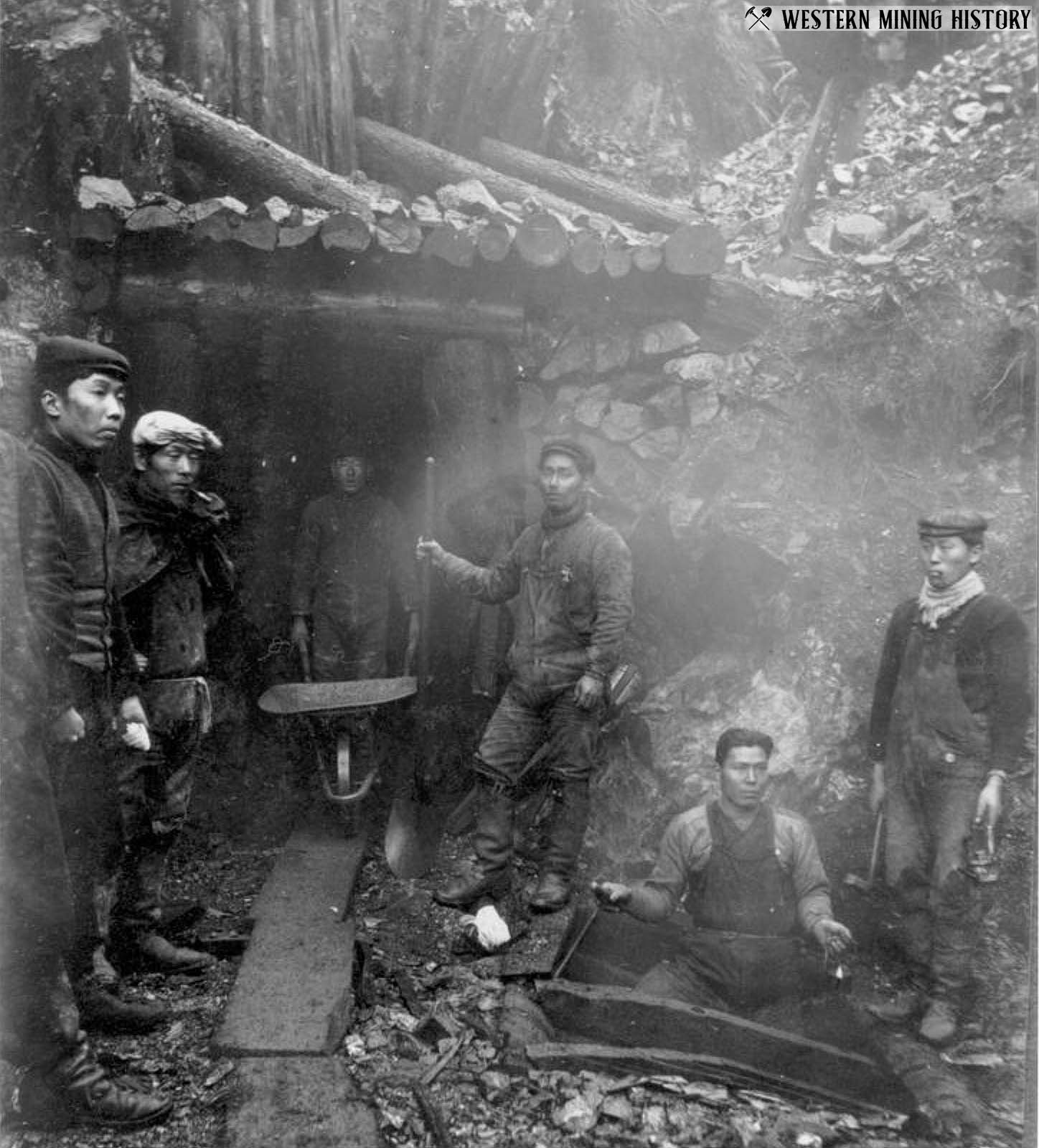
The Ikeda Mine was one of the most unusual early mining ventures on the coast of British Columbia. Located on the southeastern shore of Moresby Island (now part of Haida Gwaii), it was developed by Japanese entrepreneurs at a time when nearly all of British Columbia’s mining industry was controlled by British, Canadian, or American interests.  Continue Reading

lockedThe Lot Jumpers of Goldfield, Nevada

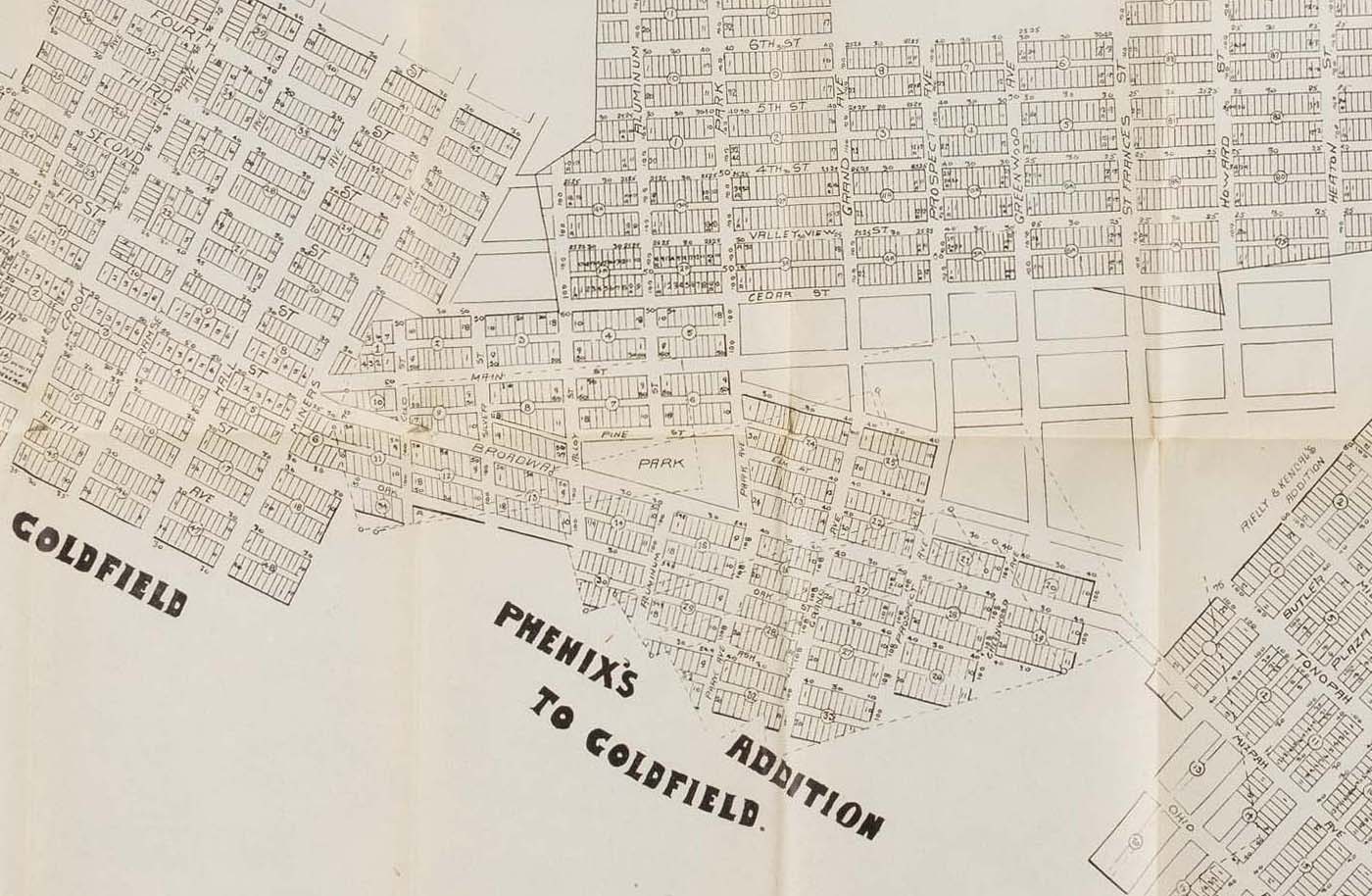
Although claim jumping is often associated with Western mining districts, another form of land speculation was also common: town lot jumping. In booming mining camps, town lots could be extraordinarily valuable, placing them beyond the reach of many newcomers. To secure housing, or in some cases simply to seize something of value, squatters occupied land belonging to mining companies, townsite developers, and even lots that had already been legally sold to private individuals.  Continue Reading

lockedThe Mines of Boulder County, Colorado: Photographs by Joseph Sturtevant

Joseph Sturtevant, also known as “Rocky Mountain Joe”, was a professional photographer based in Boulder, Colorado. During his time there, the mining industry in Boulder County was thriving, and he documented much of it in photographs throughout the 1890s and the first decade of the twentieth century.  Continue Reading