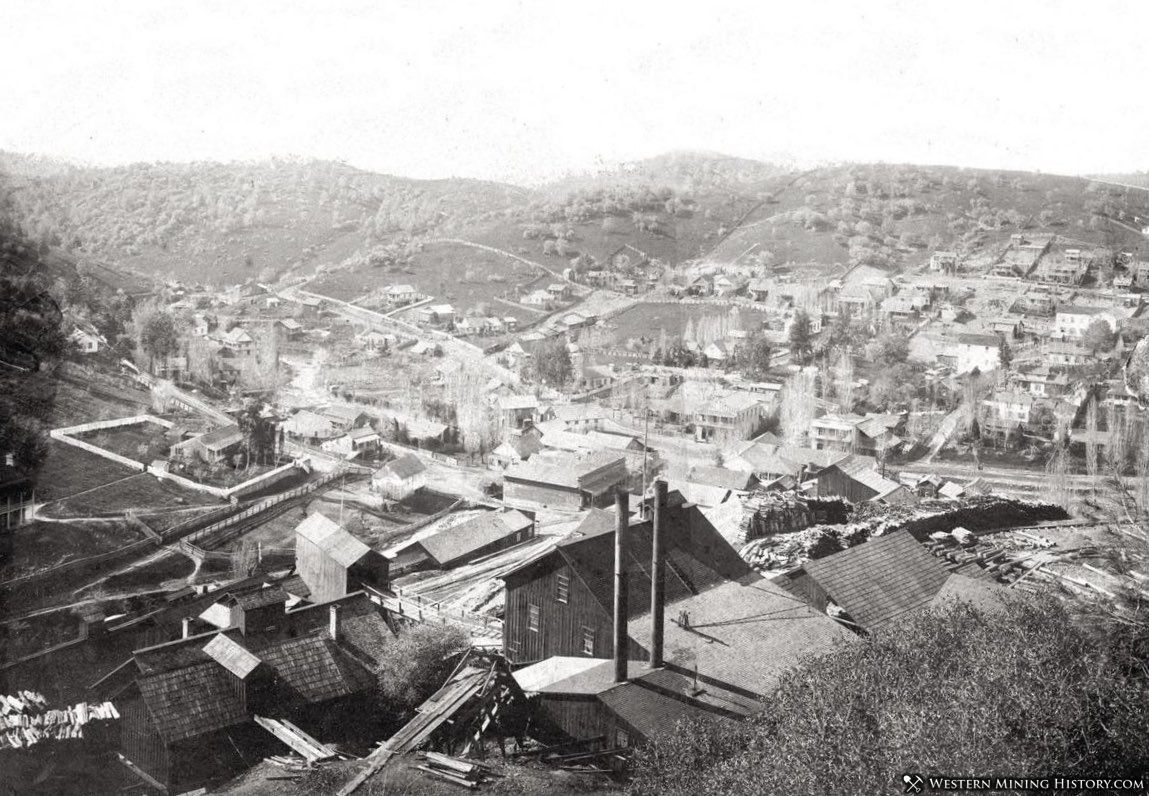
Amador City History
Among the many prospectors drawn to California in 1848-49 were several groups of miners who explored inland from the Mother Lode region. One such group, known as the Sunol Group, included José María Amador, a rancher, soldier, and early miner whose name would become central to the region’s identity.
Amador, originally from a prominent Californio family, is believed to have panned along a nameless creek in the area in 1848 and 1849. Although gold prospects on that first exploration were modest, the creek eventually came to bear his name—Amador Creek—and later the town and county were named after him as well.
According to historical accounts, gold outcroppings were discovered on both sides of the creek several hundred yards upstream from the present location of the town. Mines such as the Amador and the Spring Hill were some of the first gold mining operations in what would become Amador County.
Although small placer camps initially dotted the banks of Amador Creek around 1849, it wasn’t until 1851 that a permanent settlement began to form where the current town stands. When the easily mined placer deposits were worked out, prospectors shifted their focus from the upper creek area to what was termed “South Amadore” near French Gulch, where gold deposits were found in quartz veins.
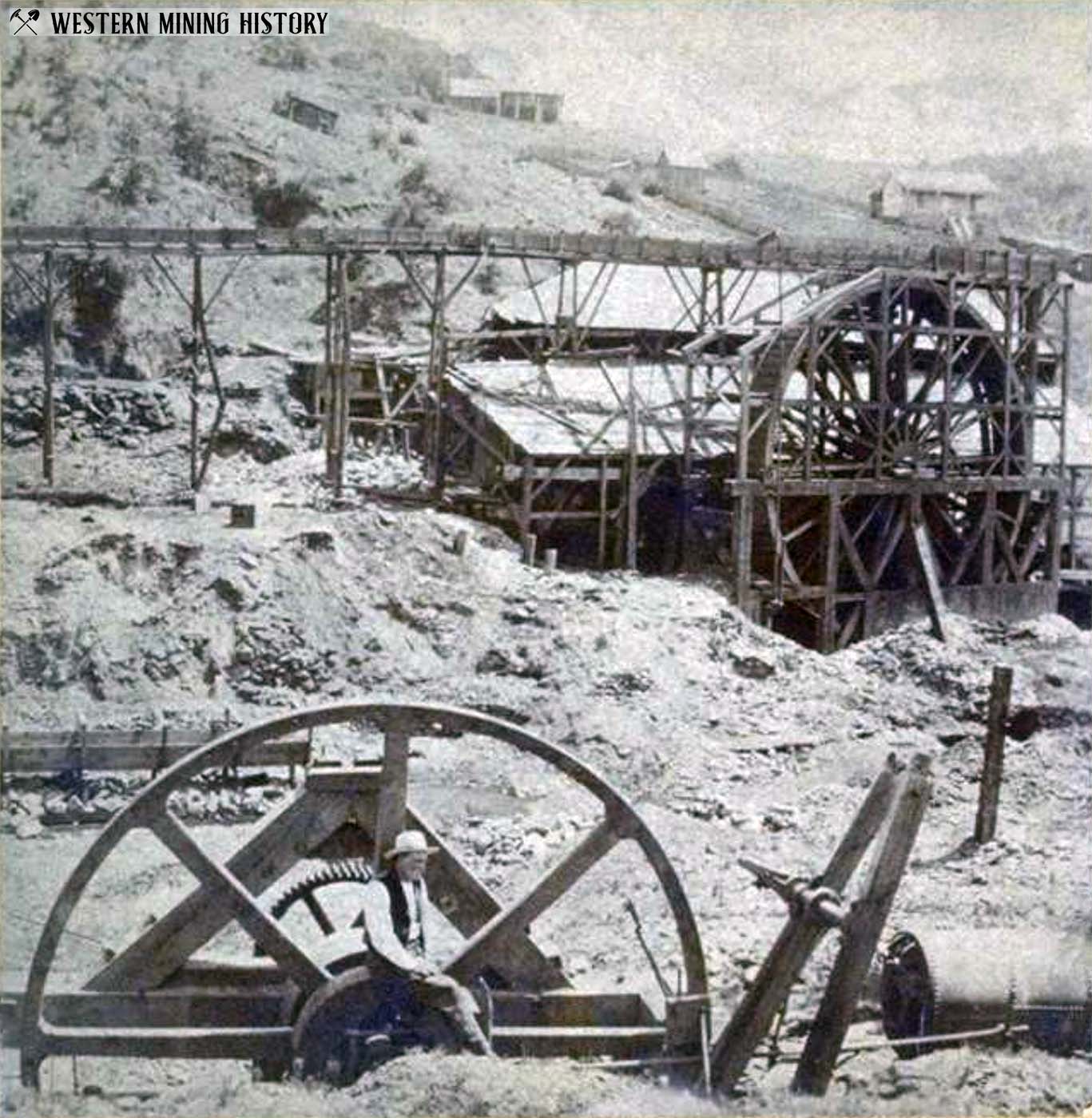
Gold in quartz, however, required more than simple panning, it demanded investment in machinery and labor. Early stamp mills and arrastras were built to process gold-bearing rock. By September 1851, two stamp mills were operating along Amador Creek, signaling the transition from transient placer mining to more industrialized quartz mining.
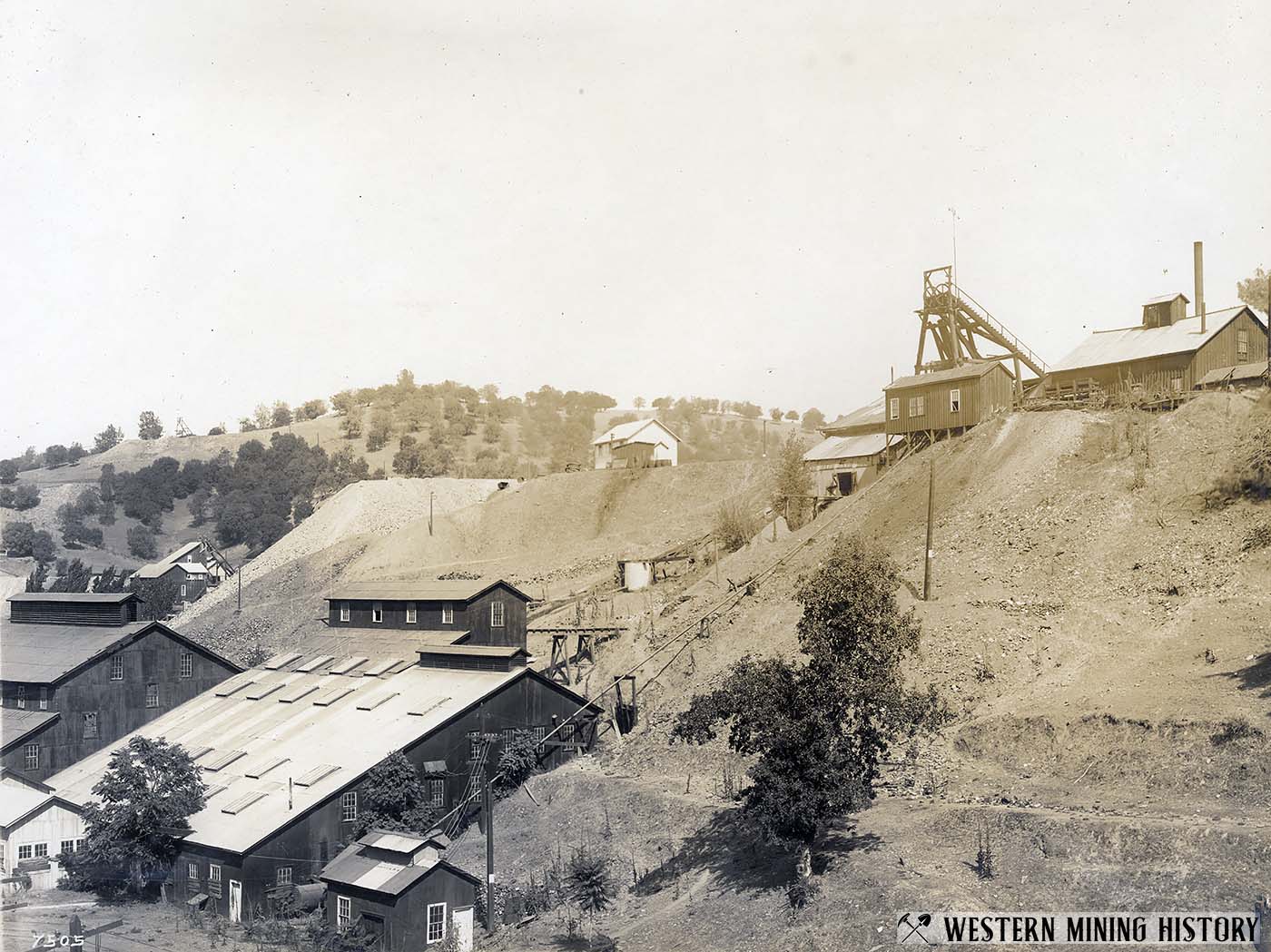
The most significant chapter in Amador City’s mining history began with the consolidation of smaller claims in 1853, forming what became known as the Keystone Mine. Over its nearly 90-year lifespan, the Keystone reached a depth of 2,680 feet and produced an estimated $24 million in gold, a staggering sum for its time.
The mine’s early years were not without challenges, as ownership disputes and production problems plagued operations, but a rich vein discovered in 1866 helped transform Keystone into one of the most lucrative gold producers in California. At its peak, mining and related activity in and around Keystone brought as many as 4,000 to 6,000 residents to the area, swelling what had been a modest mining camp into a bustling mining town.
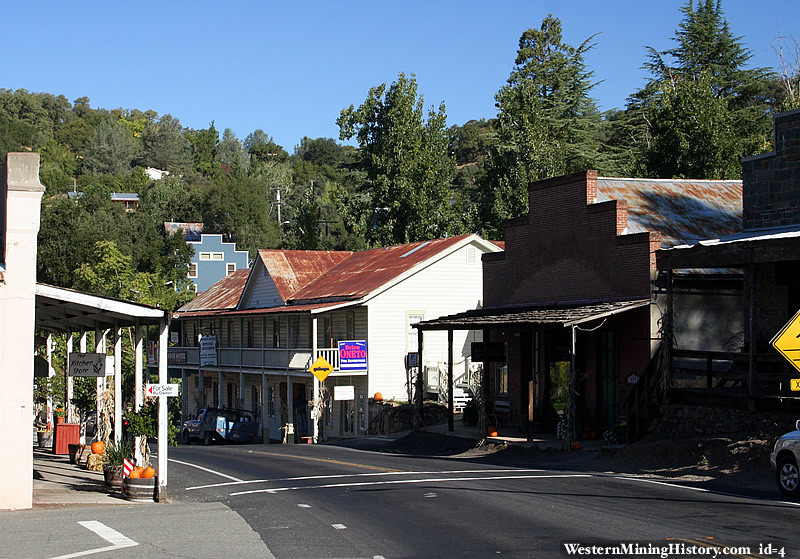
As the population grew, so did the infrastructure of the town. Buildings went up along what is now Main Street—commercial establishments, saloons, hotels, and residential homes. Some of these structures still exist today as tangible relics of the past. The Amador Hotel, parts of which were constructed around 1855, is believed to be one of the oldest surviving structures in the city and served as a gathering place for travelers, miners, and townspeople alike.
Another early commercial building, the Fleehart Building, dating from the 1860s or possibly earlier, originally served as a Wells Fargo office and mercantile store. It is the oldest store building in town and survived a significant fire in 1878 that destroyed several other structures. Today, it houses the Amador Whitney Museum, preserving and interpreting the history of the town and the Mother Lode region.
The Keystone Mine continued operating into the 20th century and expanded its holdings with the acquisition of the neighboring South Spring Hill Mine in 1920. Ultimately, all gold mining activity ceased during World War II, when federal wartime restrictions ordered the closure of non-essential mining operations in 1942.
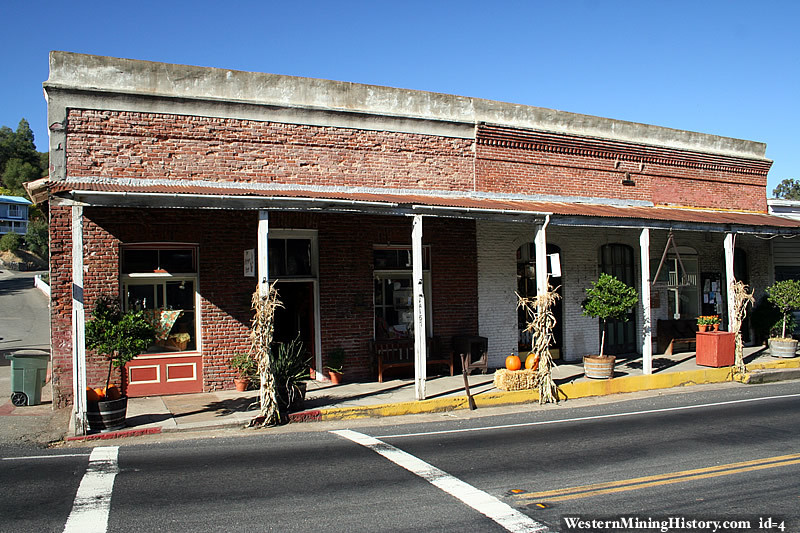
Unlike many Gold Rush towns that faded into ghost towns, Amador City maintained a small but continuous population, preserving much of its historic architecture and character. With a population of just over 200 people today, the city remains a living museum of California’s Gold Country, attracting visitors interested in history, antiques, and small-town atmosphere.
It All Started With The Gold Rush
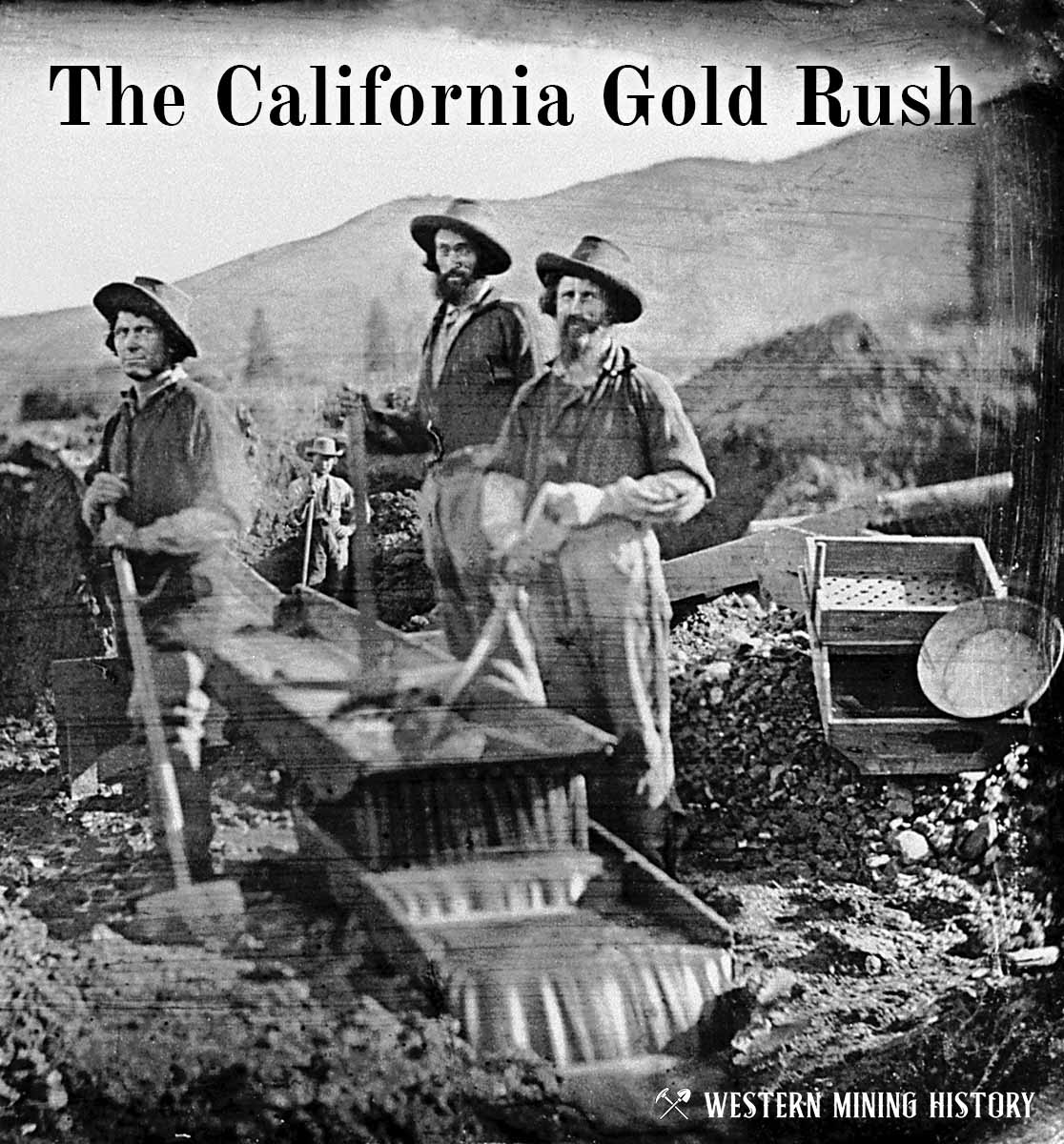
The great California Gold Rush kicked off the entire saga of western mining. Read about it at The California Gold Rush.
California Gold
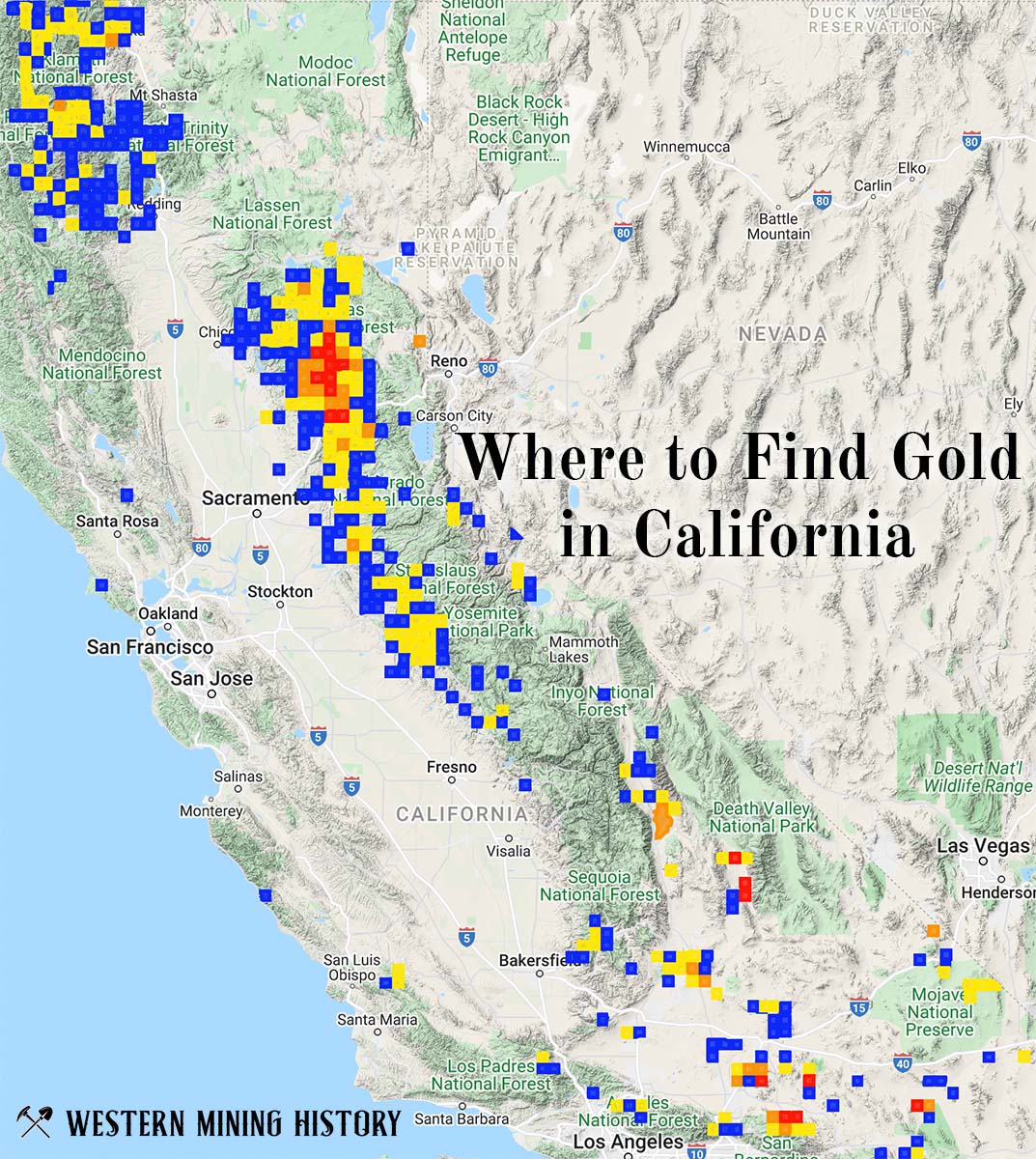
"Where to Find Gold in California" looks at the density of modern placer mining claims along with historical gold mining locations and mining district descriptions to determine areas of high gold discovery potential in California. Read more: Where to Find Gold in California.