Unionville History
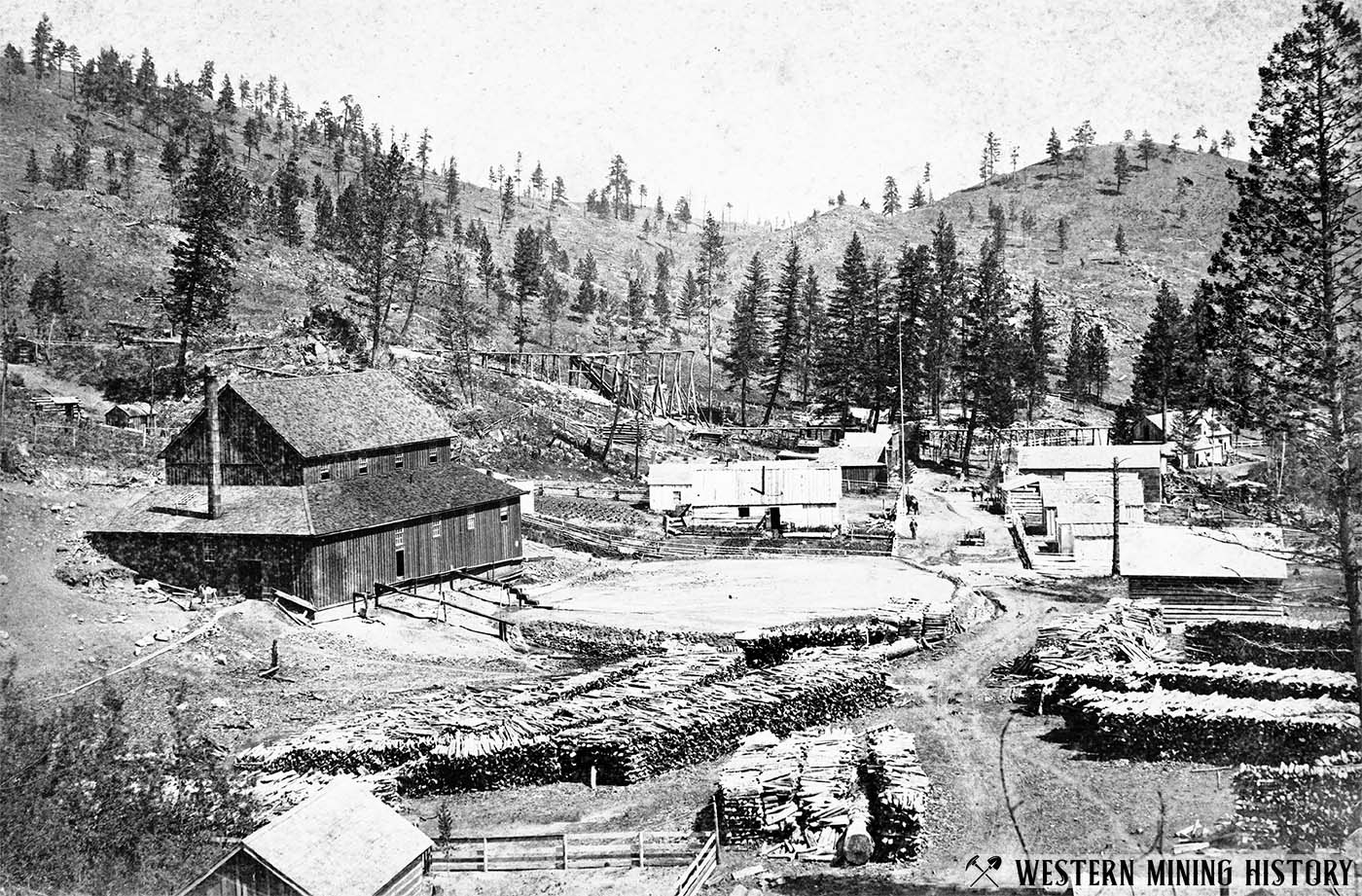
Unionville, located in Oro Fino Gulch a few miles south of Helena, is one of Montana's oldest hard-rock mining communities. The town developed around the rich Whitlatch-Union Mine and became an important center of early gold production in the territory.
The history of Unionville began in 1864, the same year that the discovery of placer gold at Last Chance Gulch led to the founding of Helena. Among the prospectors drawn to the region was James Whitlatch, a Civil War veteran who had served in the Union Army. In September 1864, Whitlatch discovered a rich quartz lode in the hills south of Helena. The mine that developed from this discovery became known as the Whitlatch-Union Mine, combining Whitlatch’s name with a reference to his military service. A mining camp soon formed around the mine and took the name Unionville.
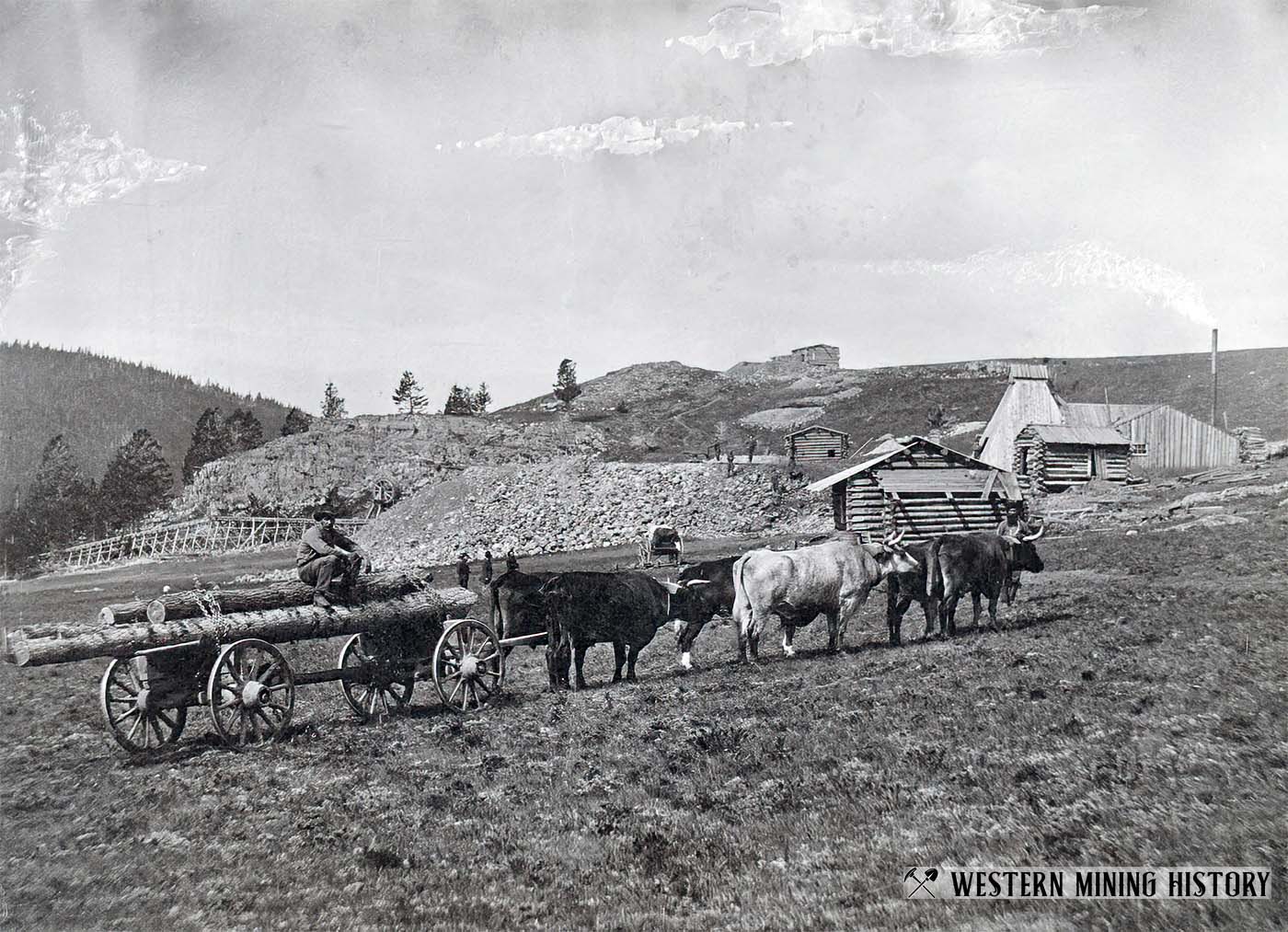
Unlike many frontier mining camps that consisted primarily of tents and temporary structures, Unionville developed into a substantial community. The camp included stores, saloons, boardinghouses, a Chinese laundry, warehouses, stamp mills, and a school. As additional mines opened throughout the district, Unionville became an important center of hard-rock mining in Montana Territory.
Mining remained the foundation of Unionville’s economy throughout the nineteenth century. However, in 1897 the district suffered a major setback when the gold-bearing lode of the Whitlatch-Union Mine was displaced by a fault. Despite efforts to relocate the ore body, the search proved unsuccessful and the mine closed. Although other mines in the district continued operating for a time, none matched the importance of the Whitlatch-Union property, and the town entered a period of decline.
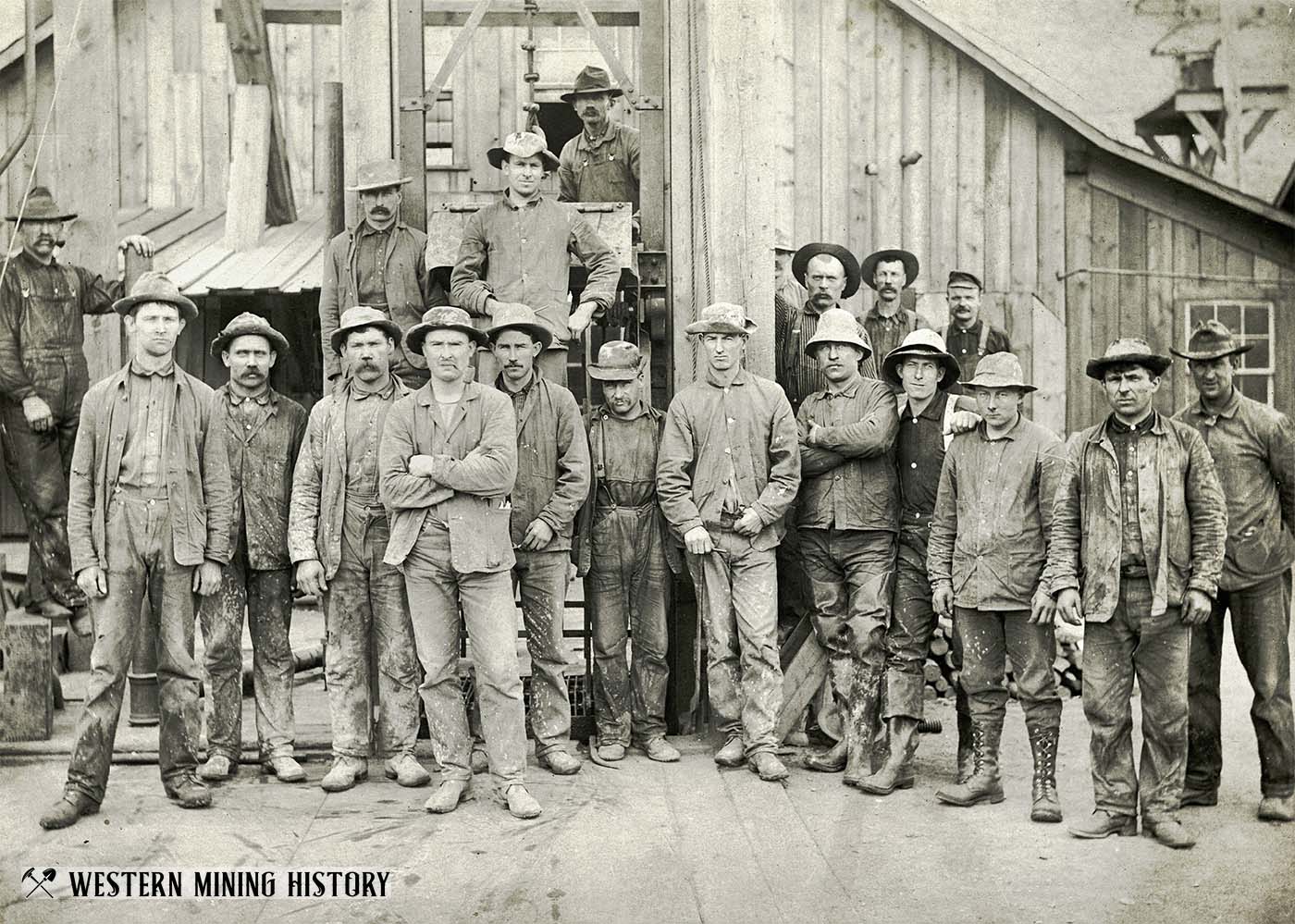
A revival occurred in the early twentieth century when the Whitlatch-Union Mine was reopened in 1905. The mine was worked intermittently until at least 1930. The mine is credited with over $6,000,000 in gold production at historical prices.
Unlike many Western mining camps that became completely abandoned after their mines closed, Unionville survived because of its close proximity to Helena. By the early twentieth century, fewer than one hundred residents remained, but the community persisted and gradually evolved into a residential settlement.
Principal Gold Districts of Montana
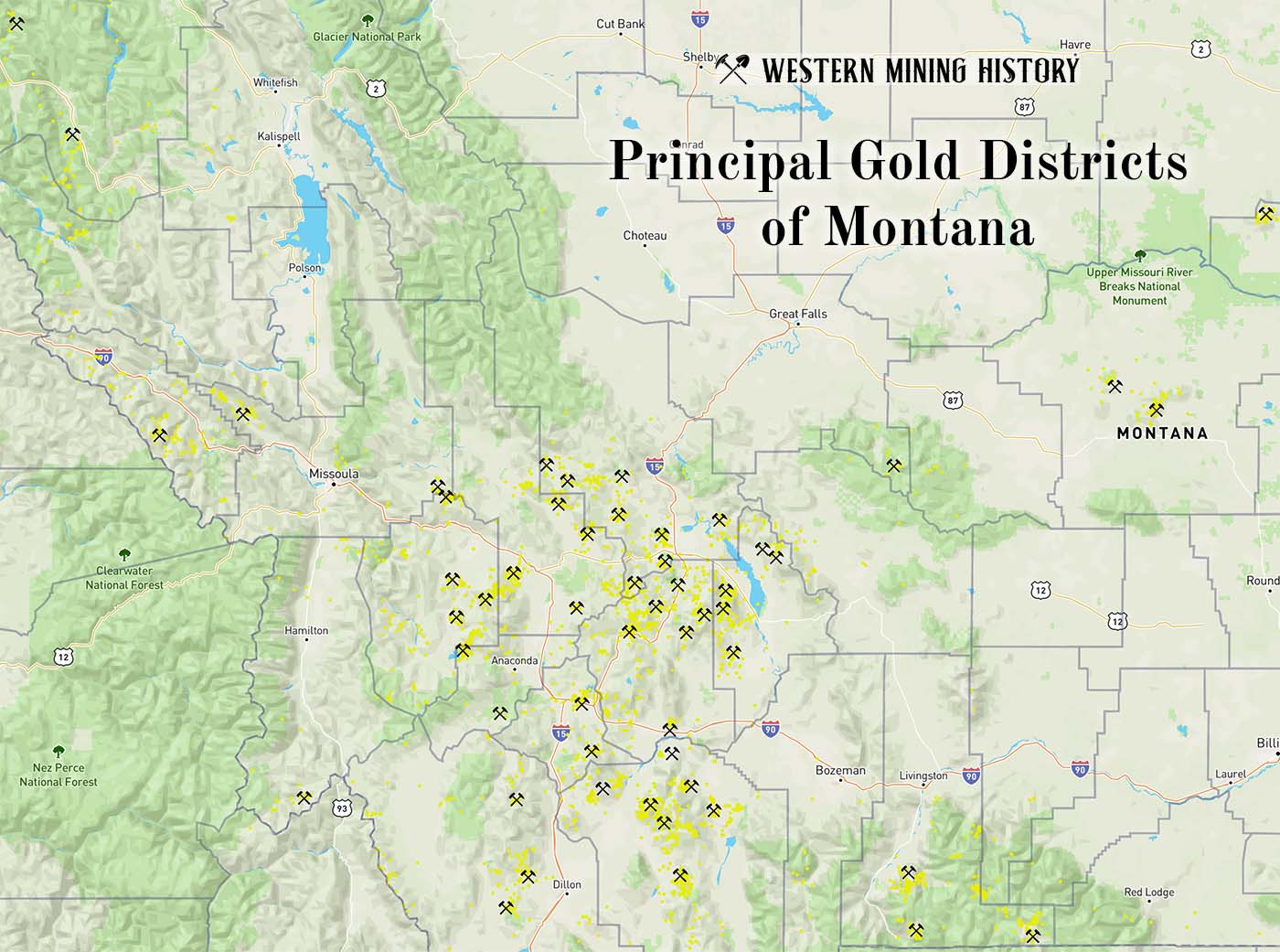
In Montana, 54 mining districts have each have produced more than 10,000 ounces of gold. The largest producers are Butte, Helena, Marysville, and Virginia City, each having produced more than one million ounces. Twenty seven other districts are each credited with between 100,000 and one million ounces of gold production. Read more: Principal Gold Districts of Montana.