Hamilton History
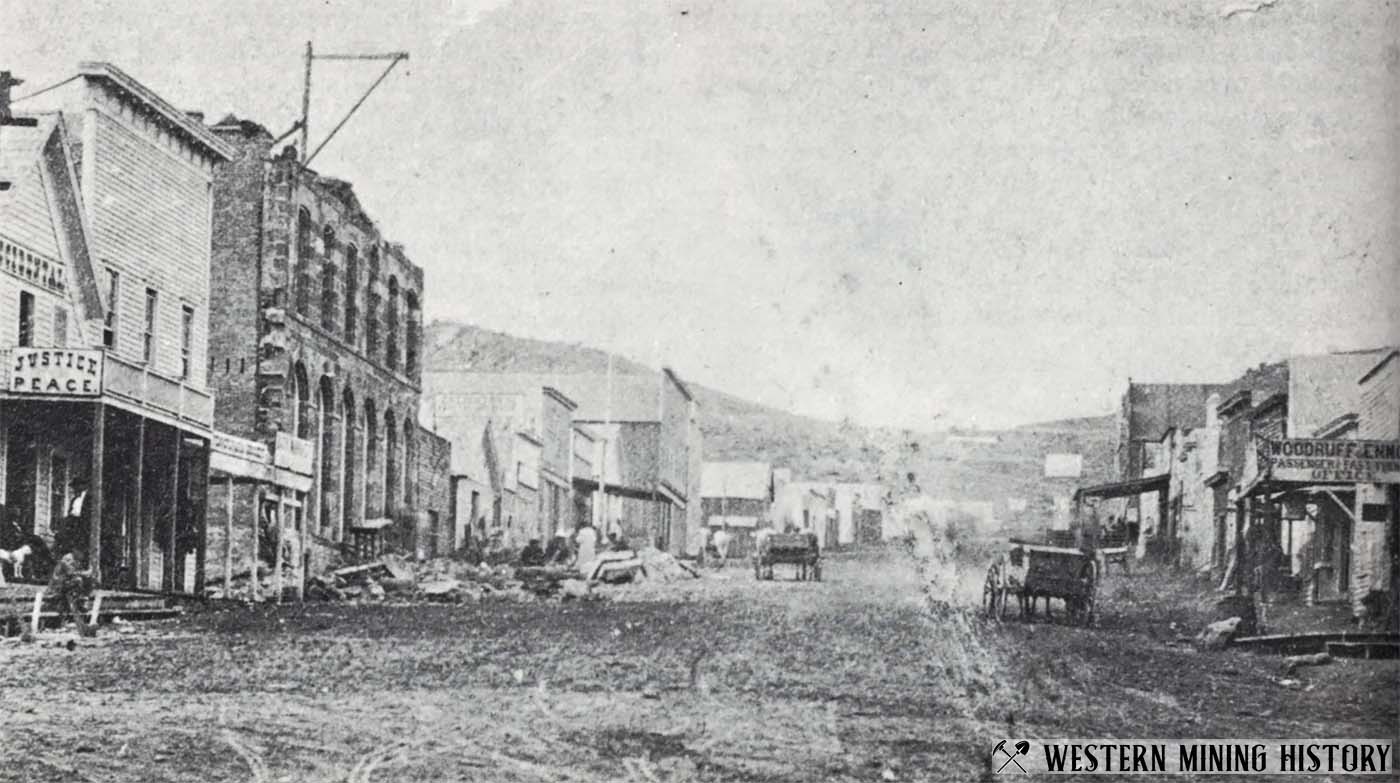
Hamilton was the most important of the settlements established during the White Pine silver rush of 1868 in eastern Nevada. The townsite was laid out by promoter Frank Hamilton, one of the few individuals to profit handsomely from the rush. While most who flocked to White Pine in search of silver left sorely disappointed, Hamilton sold out early and with considerable wealth. By the fall of 1869, he had retired to a ranch near San Jose, California, purchased for $65,000.
From its earliest days, Hamilton emerged as the population and commercial center of the district. A post office was established in 1868, and by the spring of 1869 the town was growing rapidly. The 1963 publication Treasure Hill: Portrait of a Silver Mining Camp described Hamilton’s transformation that spring:
Slowly but steadily, Hamilton emerged as the population center of the district… Between March and May the number of frame houses had quadrupled. Rows of solid buildings lined Main Street where there had been large vacant spaces during the winter. Roads were being graded and plank sidewalks constructed. The teamsters had a tendency to drive their ‘schooners’ to the end of Main Street and allow the oxen, mules, or horses to graze nearby. Here a ‘corral town’ grew up with a street lined with ‘breweries and blacksmith shops, chop houses, lodging houses, whiskey mills and groceries, saddlery shops and clothing booths.’ Town boosters claimed that there were over five hundred different places of residence and business in Hamilton by actual count, nearly equal to the combined total of Treasure City and Shermantown, and the population was estimated at 3,500.
Not all contemporary observers shared the boosters’ enthusiasm. Dr. Gally, a resident of nearby Shermantown, offered a more candid assessment in 1869, later published in Martha and the Doctor: A Frontier Family in Central Nevada (1977):
Two lines of heterogeneous houses flanking a river of mud. It is a very busy town, about half a mile in length by three hundred feet broad… Hamilton is the place where we get what we live on, to-wit: whisky, bacon, and flour.
By the summer of 1869, Hamilton had firmly established itself as the commercial hub of the White Pine district. Its business district extended over several blocks and supported well over 100 businesses, along with dozens of saloons. Town institutions included Odd Fellows and Masons halls, the Metropolitan Bath House, the Hamilton Opera House, a school, and a volunteer fire department. That same year, the Inland Empire, Hamilton’s first newspaper and the district’s second, began publication, and a telegraph line reached town in the spring.
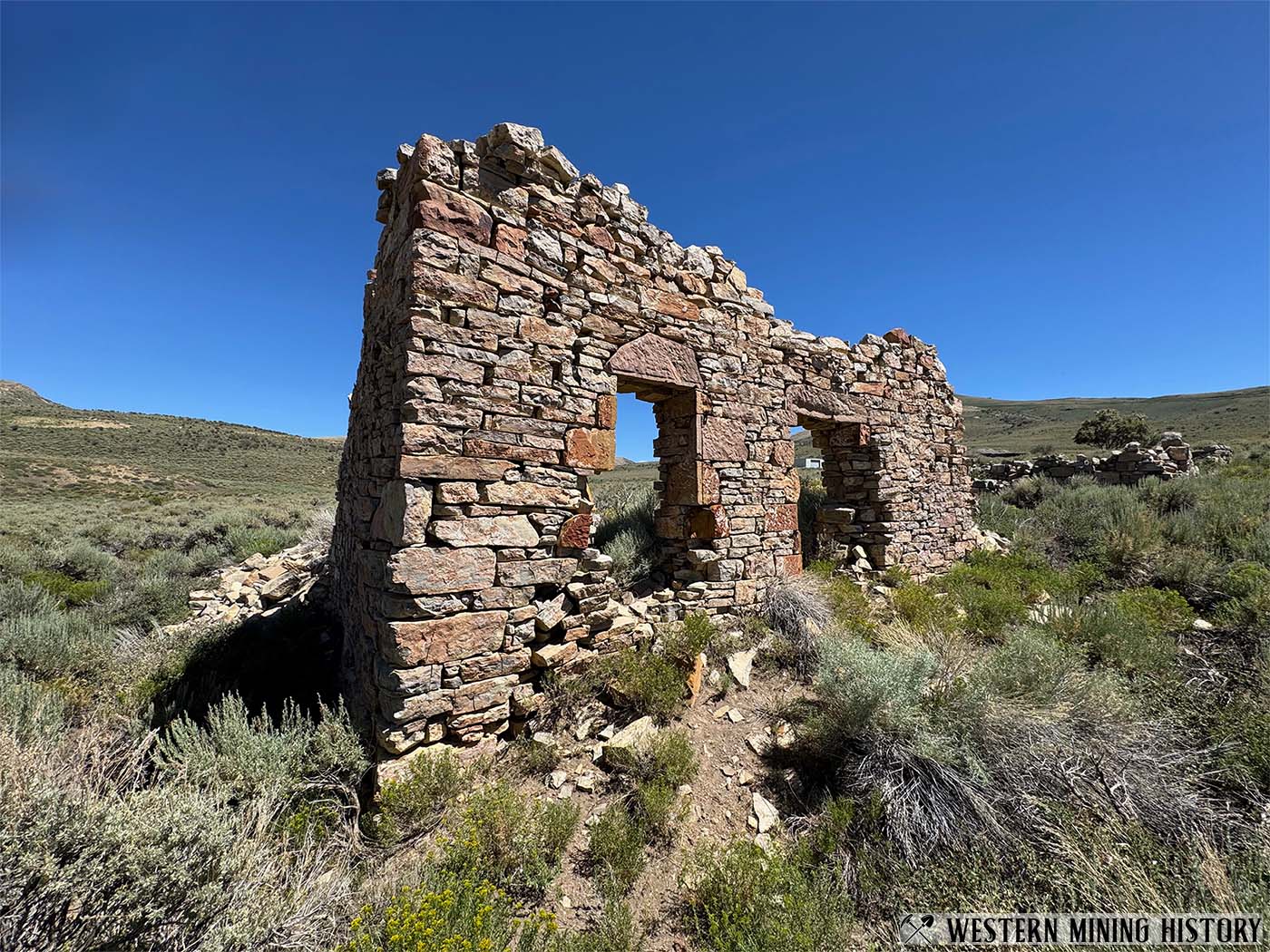
Hamilton’s importance was further cemented in March 1869, when it became the county seat of the newly formed White Pine County. By early summer, a substantial brick courthouse and jail had been completed at a cost of $55,000. By September 1869, Kelly & Co. was operating hourly stage service between Hamilton and Treasure City, with each one-way trip taking approximately forty minutes.
An ambitious water system was constructed during the summer of 1869 to serve both the mills and the towns of Hamilton and Treasure City. The White Pine Water Company spent more than $400,000 to pump water from Illipah Springs, three miles away. Two pumping stations lifted the water to reservoirs, from which it flowed through a tunnel beneath Mokomoke Ridge before descending to Hamilton. Residents initially paid one cent per gallon in 1869, a rate that doubled by 1870 as maintenance costs increased.
Life in Hamilton was shaped by the region’s extreme climate. Winters were bitterly cold and prone to blizzards, summers were hot with temperatures often exceeding 100 degrees, and spring brought high winds, thunderstorms, and heavy hail. Early canvas tents and lightly built structures were frequently damaged or destroyed. On August 15, 1869, a tornado passed over Hamilton, destroying twelve buildings elsewhere in the district as it cut across the area.
Despite these hardships, residents found time for recreation. Athletic pursuits included foot races—often with wagers as high as $500—a baseball club, an athletic club, and prize fights.
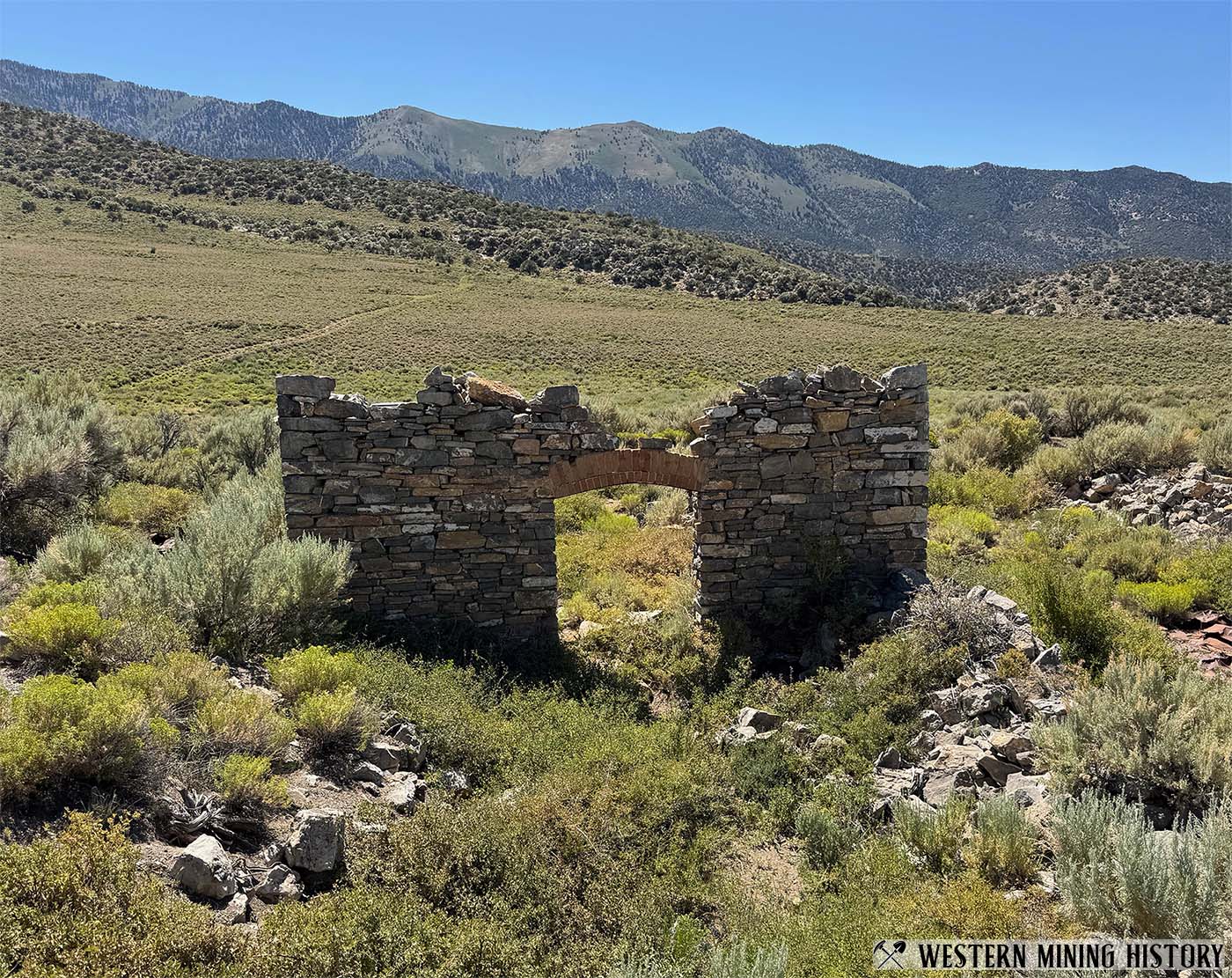
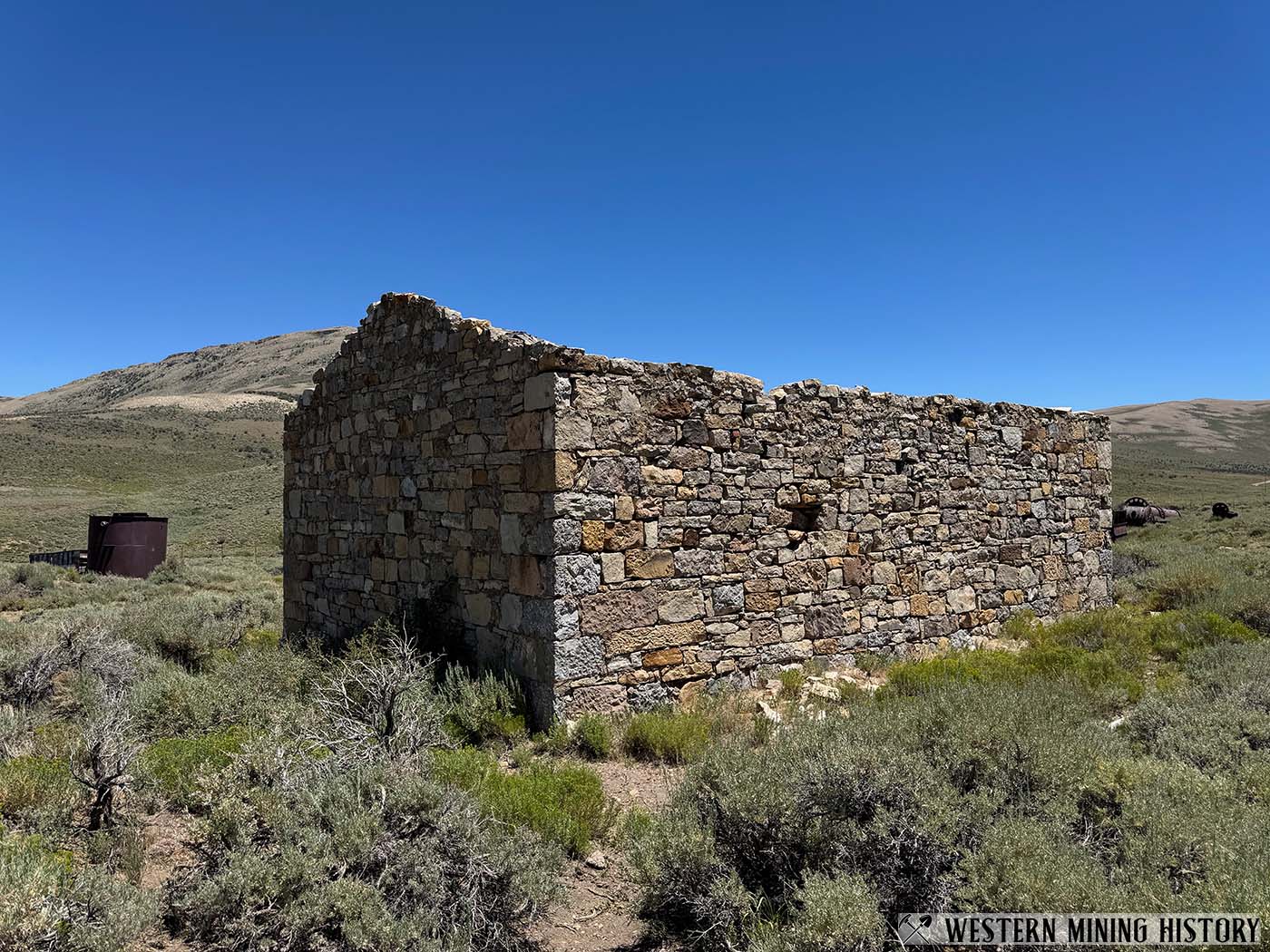
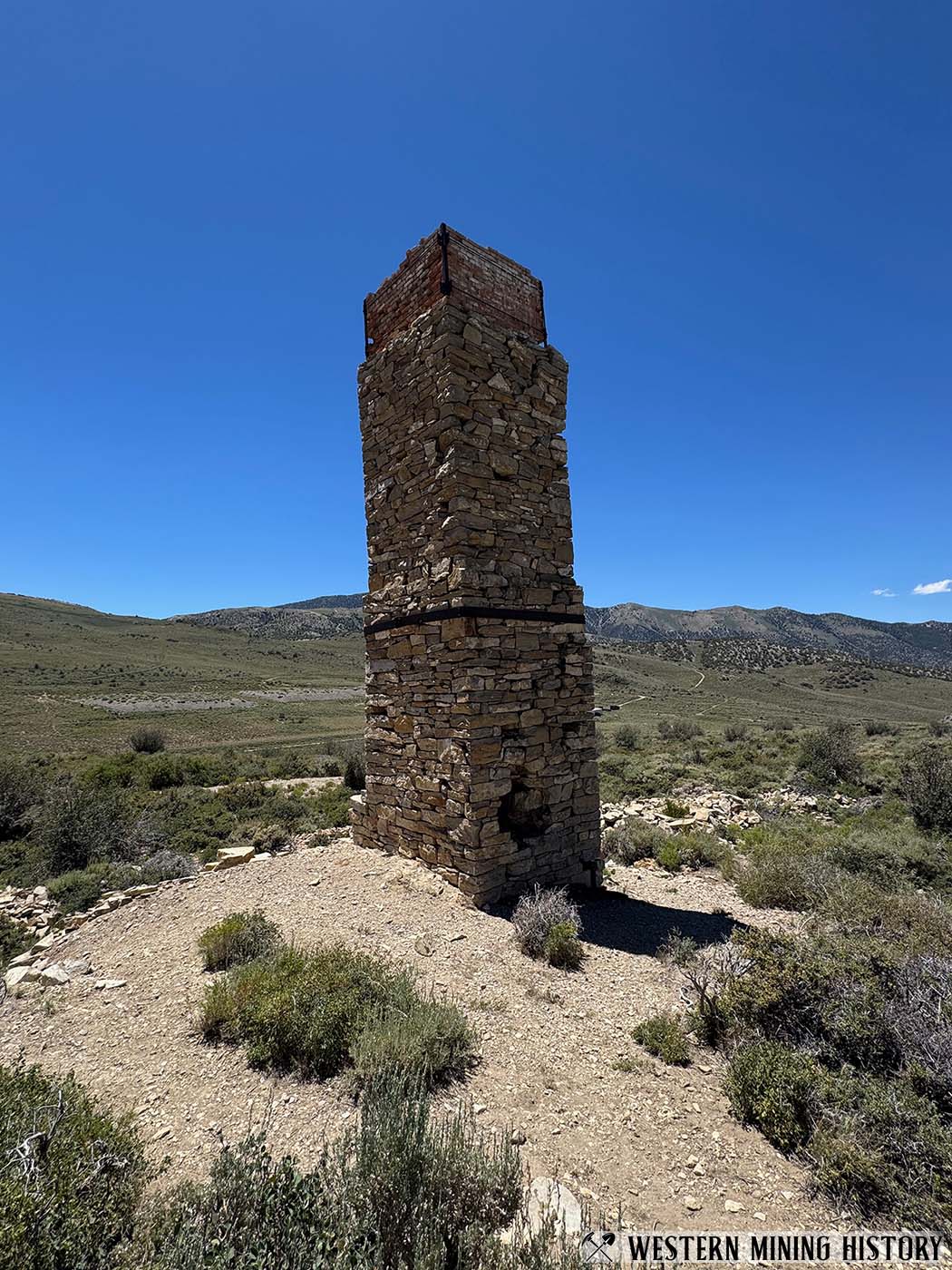
Hamilton’s decline came swiftly. A devastating fire on June 27, 1873 destroyed the entire commercial district, sparing only two businesses. The town was disincorporated in 1875, and another fire in 1885 destroyed the county buildings and most of what remained of Hamilton. The county seat was subsequently moved to Ely.
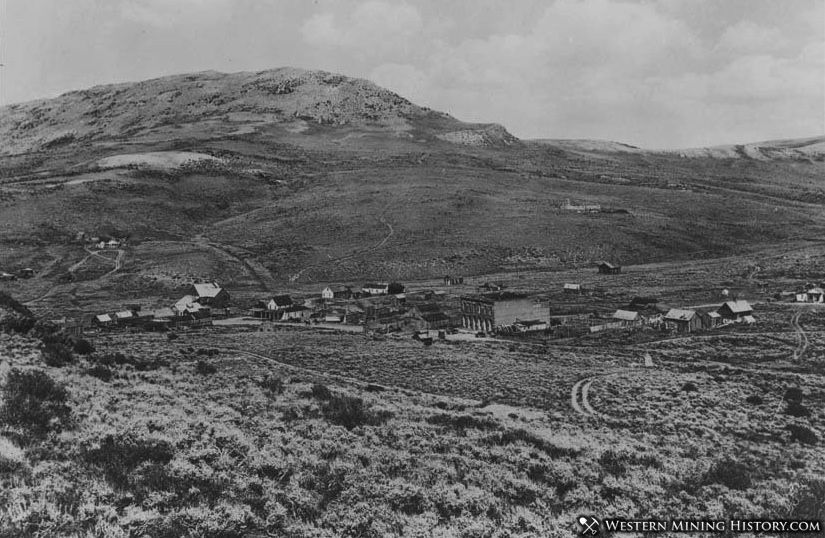
Although Hamilton was never completely abandoned, it lingered for decades with only a skeleton population. Its final chapter came in 1931, when the post office was discontinued, marking the end of what had once been the heart of Nevada’s White Pine silver district.
The White Pine Silver Rush
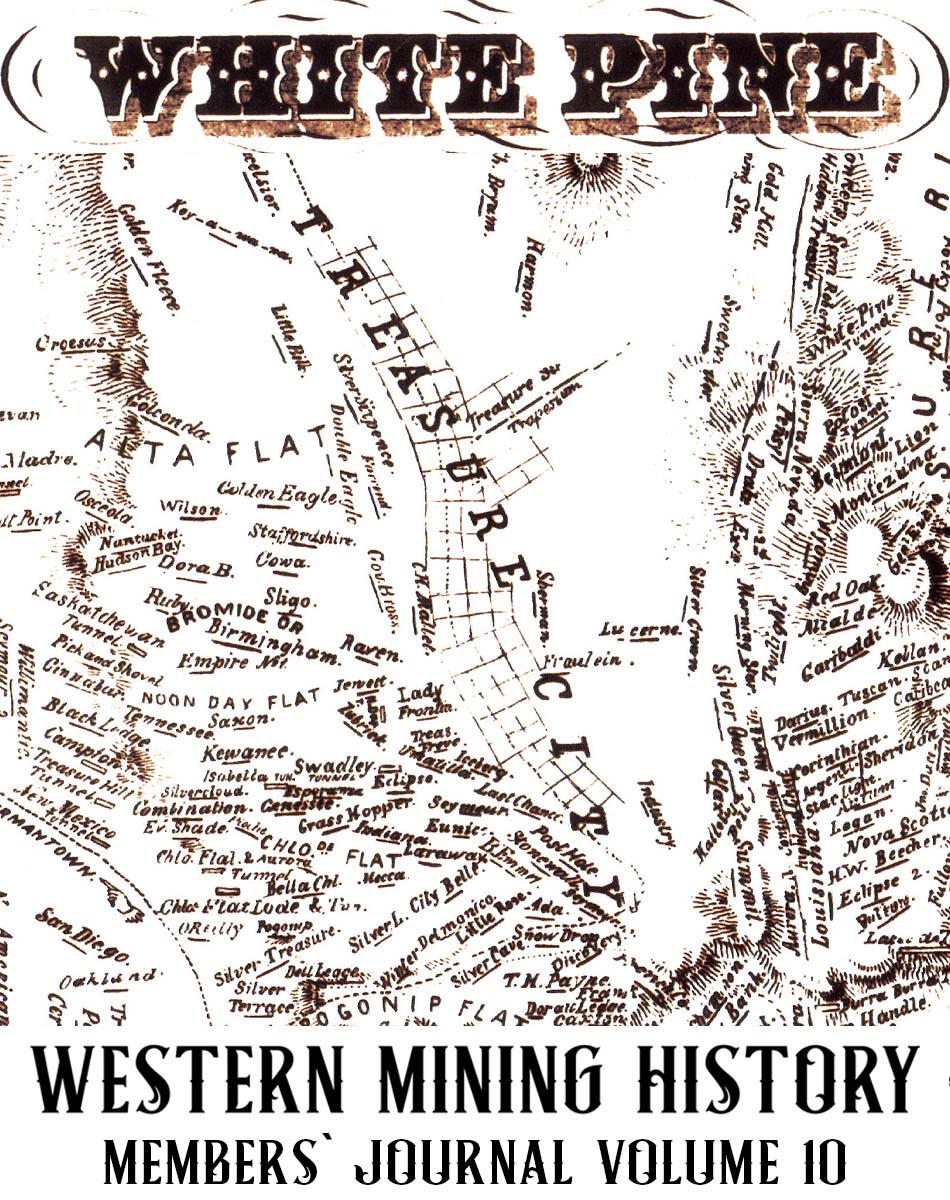
Deep in what was a vast wilderness in eastern Nevada, the White Pine district experienced one of the most intense and short-lived mining excitements in the history of the American West. What began as a modest discovery in the mid-1860s escalated into a boom that drew thousands of miners, speculators, and investors to the heights of Treasure Hill. Continue reading... (members only content)
Nevada Mining Photos
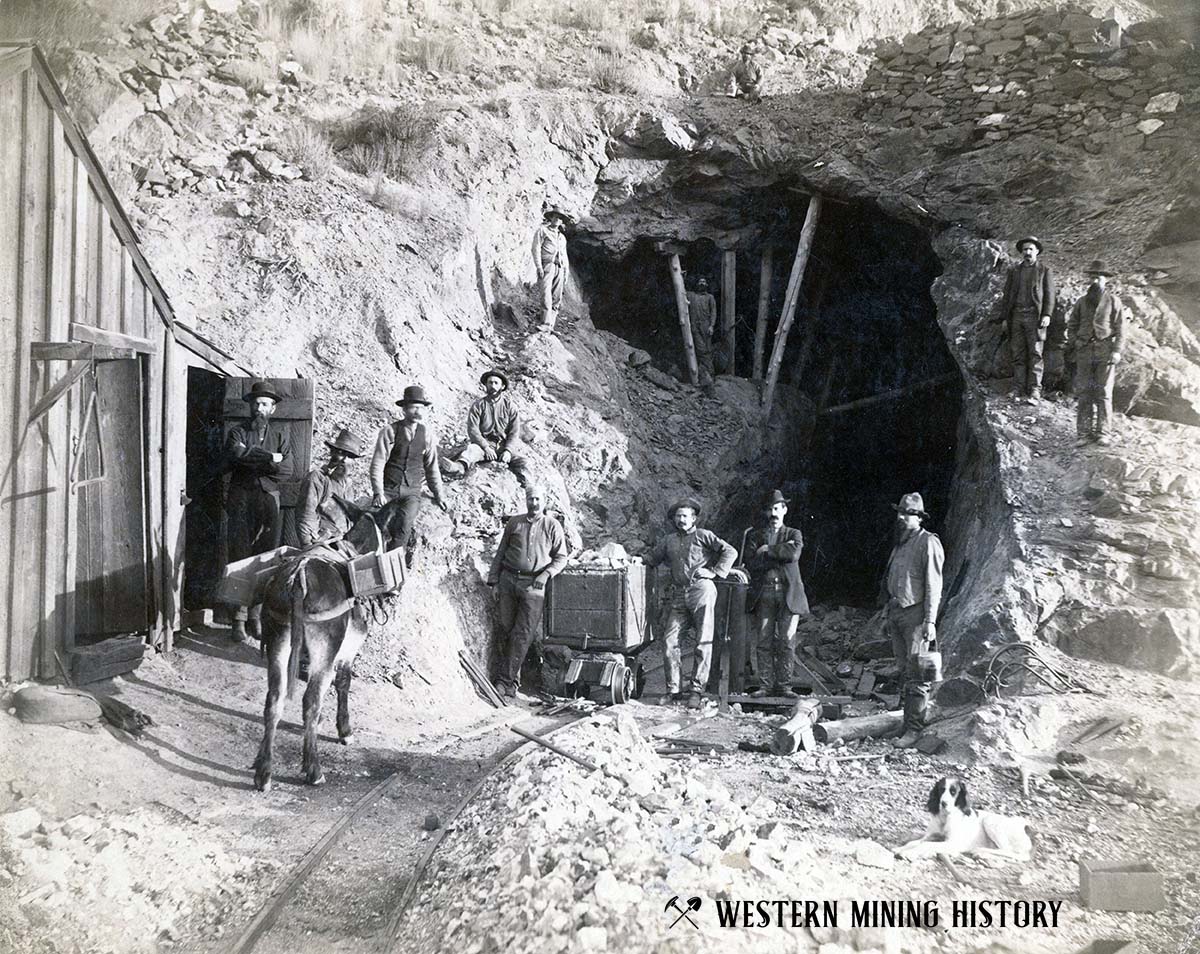
A Collection of Nevada Mining Photos contains numerous examples of Nevada's best historic mining scenes.
Nevada Gold
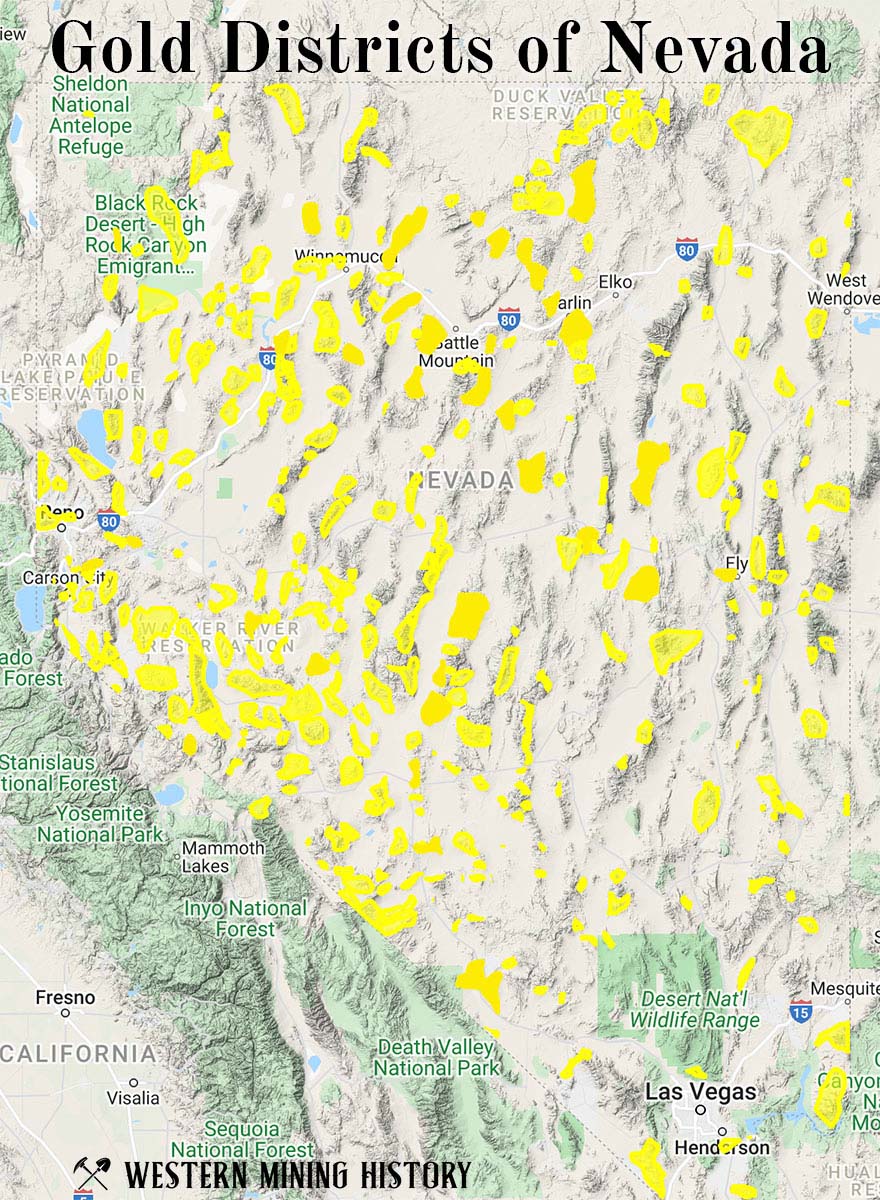
Nevada has a total of 368 distinct gold districts. Of the of those, just 36 are major producers with production and/or reserves of over 1,000,000 ounces, 49 have production and/or reserves of over 100,000 ounces, with the rest having less than 100,000 ounces. Read more: Gold Districts of Nevada.

